Cathodic Protection Monitoring Software for Pipeline Integrity
Kissflow captures rectifier output and pipe-to-soil potential readings at every test point, checks them against your protection criteria, and holds the survey evidence trail a regulator asks for, so protection status is a record, not an assumption.

Trusted by energy operators worldwide





Steel buried in the ground corrodes unless something stops it. A regulator wants proof that something is still working.
An impressed-current system or a sacrificial anode bed protects buried or submerged steel pipe from corrosion, and it only works if it's actually delivering enough current at every point along the line. That means periodic rectifier readings at each station and pipe-to-soil potential readings at test points along the route, checked against a protection criterion like negative eight hundred fifty millivolts copper-sulfate reference under NACE SP0169. A reading log in a technician's notebook can show a reading was taken. It can't flag a segment that's fallen below criterion, schedule the anode or rectifier repair, or hand a compliance auditor the survey history for a given mile of pipe.
Kissflow runs cathodic protection as a monitoring and compliance register: a test point and rectifier register covering every station and survey point, periodic reading capture from the field, a protection criteria check that flags any reading below the standard as an exception, remediation scheduling for under-protected segments, and a compliance evidence log that holds the survey history for regulatory review.
When an auditor asks whether cathodic protection has been maintained on a given segment for the last five years, the answer is a report pulled from the register, not a search through field notebooks.
Where cathodic protection readings break down between surveys
Readings are captured on paper in the field
A technician logs rectifier and test-point readings in a notebook that may or may not make it back to the office intact.
Under-protected segments aren't flagged automatically
A reading below the protection criterion doesn't get noticed until someone reviews the whole survey later.
Remediation isn't tracked against the finding
An anode replacement or rectifier repair gets scheduled without a clear link back to the reading that triggered it.
Compliance evidence is scattered across years of surveys
Pulling the survey history for one pipeline segment means digging through years of paper or disconnected files.
Six modules. Every test point and rectifier reading captured, checked, and proven compliant.
Configure test points, protection criteria, and survey intervals to your pipeline system.
Test point and rectifier register
Every station and survey point along the pipeline is registered with its location and protection criterion.
Periodic reading capture
Field technicians log rectifier output and pipe-to-soil potential readings against each registered point.
Protection criteria check and exception flagging
A reading below the configured criterion is flagged as an exception automatically.
Remediation scheduling
An under-protected segment routes to a repair schedule, whether an anode replacement or a rectifier fix.
Compliance evidence log
Every reading, exception, and remediation action builds the record a regulator can review.
Survey and trend reporting
A live view of protection status across the whole pipeline system, by segment and by survey cycle.
From request to system of record in four steps
Capture
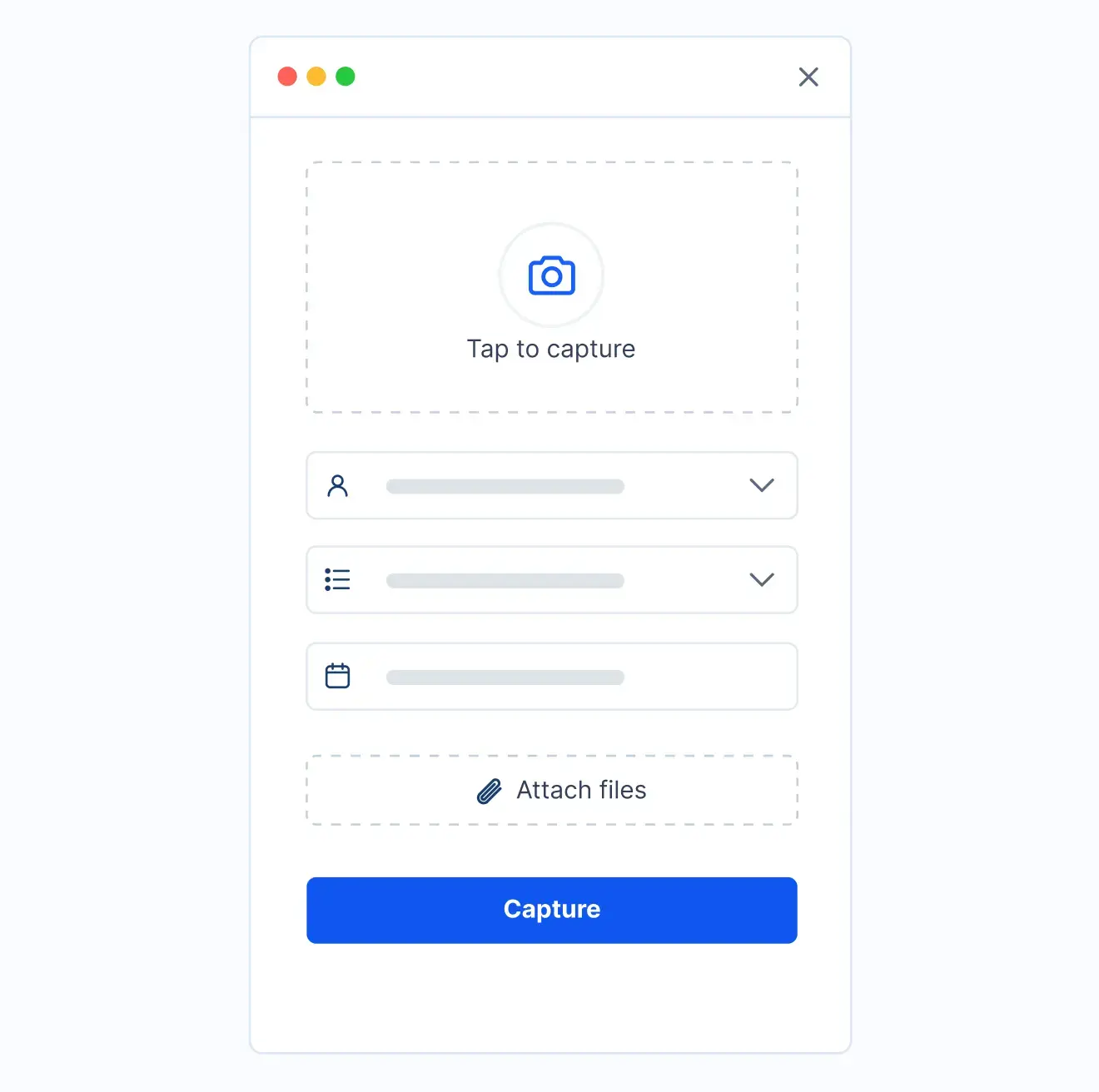
Each station and survey point is registered with its location and protection criterion, and a technician captures rectifier output or pipe-to-soil potential from the field.
Validate
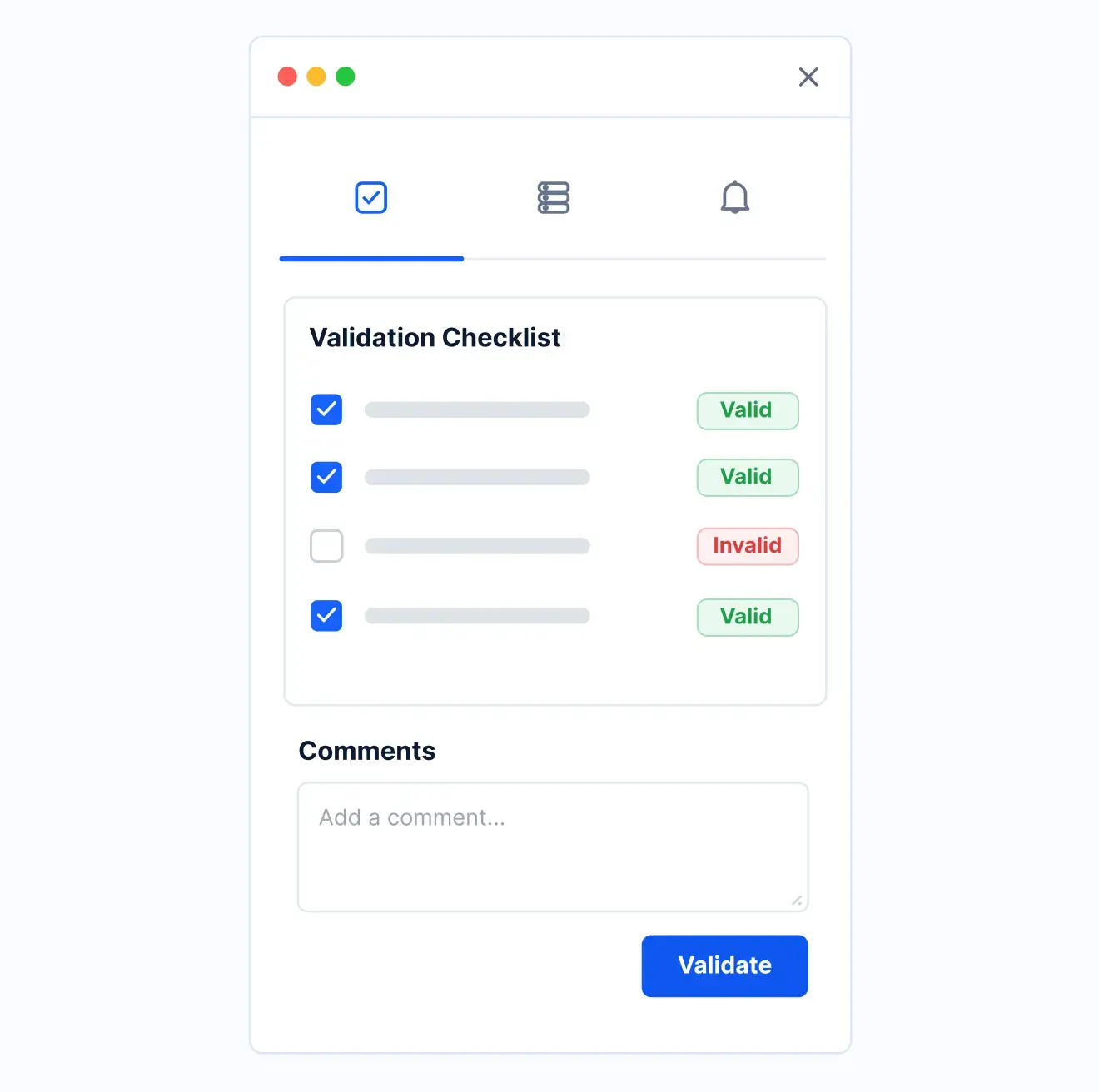
Every reading is checked against your protection criterion, and one below standard is flagged as an exception automatically.
Track
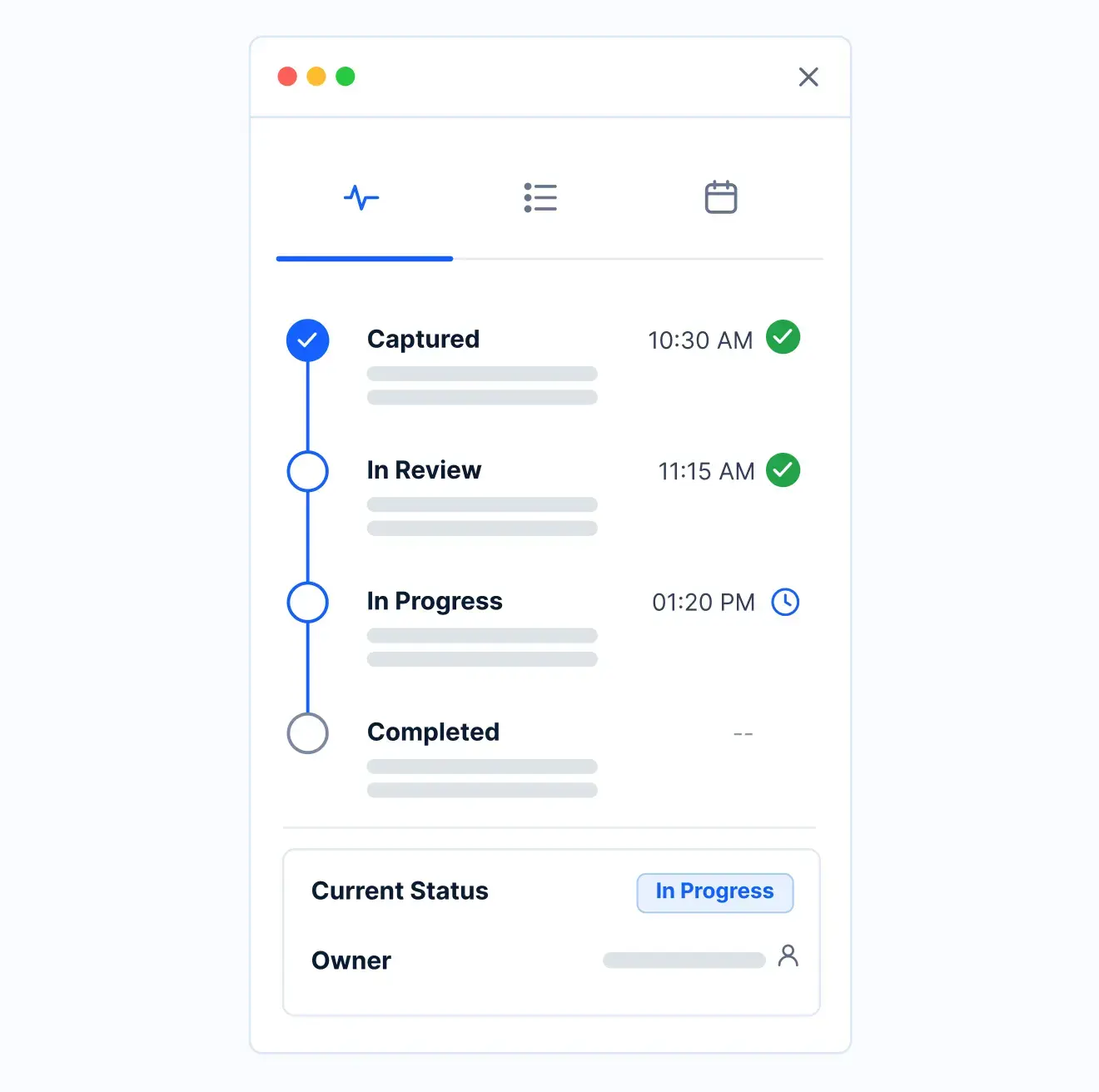
Flagged locations are scheduled for remediation and tracked through repair.
Report
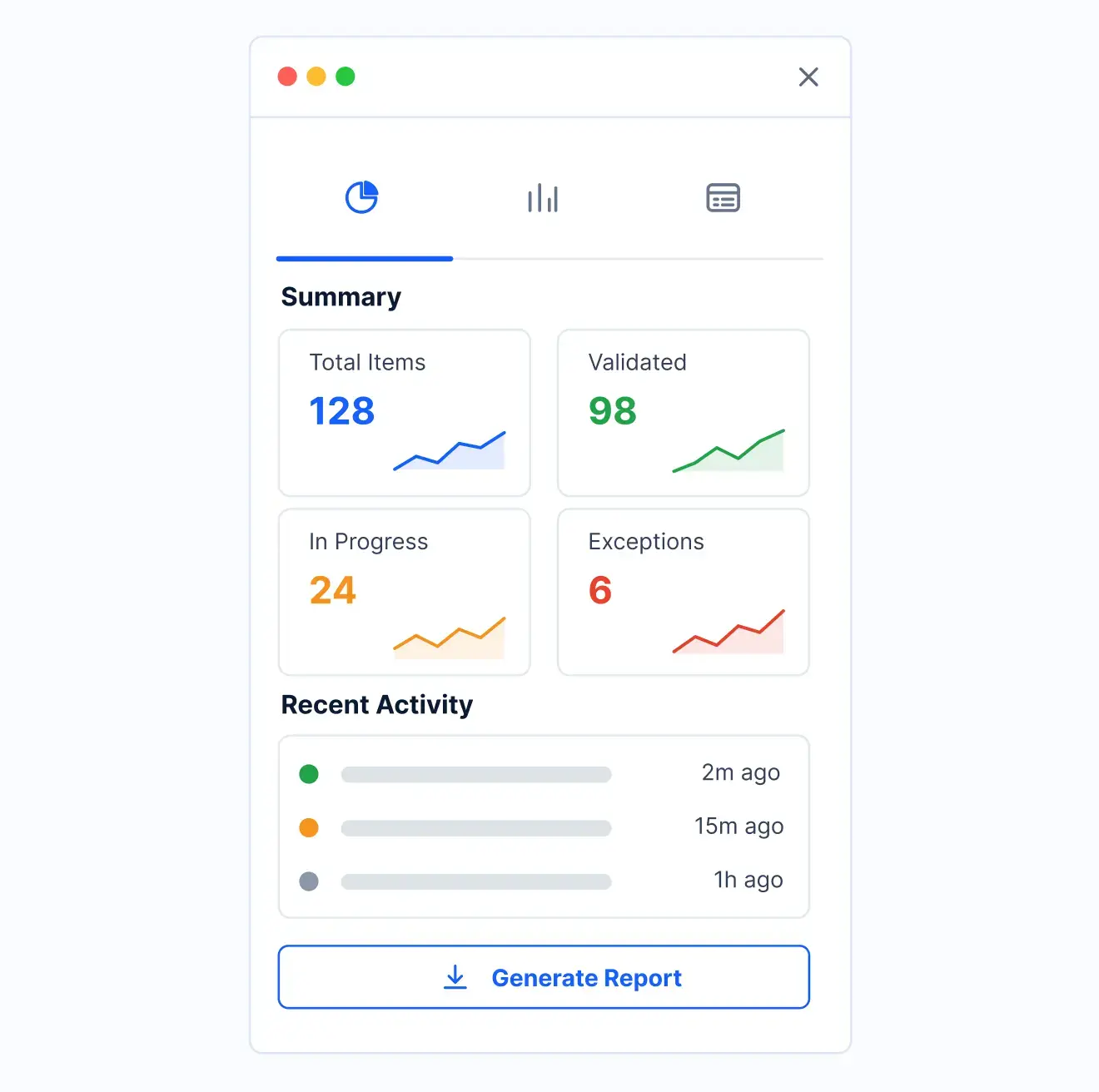
The reading register and survey evidence trail build the compliance record a regulator asks for, so protection status is a record rather than an assumption.
What changes when cathodic protection monitoring runs on Kissflow
| Process | Before Kissflow | On Kissflow |
|---|---|---|
| Reading capture | A technician's field notebook | Logged directly against a registered test point |
| Criteria check | Reviewed manually after the survey is compiled | Flagged automatically at the point of capture |
| Remediation link | A repair scheduled with no clear trigger record | Tied directly to the reading that flagged it |
| Compliance evidence | Scattered across years of paper surveys | A single searchable register by segment and date |
| Regulatory audit response | Days spent assembling survey history | A report pulled from the register |
| System-wide visibility | One survey at a time, no rollup | A live view of protection status across the whole system |
Connects to your GIS or ERP for asset location and work orders; Kissflow doesn't replace your engineering system of record
Kissflow runs the reading, criteria check, and compliance evidence layer. Your GIS and ERP stay the systems of record for pipeline geometry and work orders.
.svg)



.svg)
.svg)
.svg)
.svg)

.svg)
.svg)
.svg)
.svg)
.svg)

.svg)

.svg)

.svg)
.svg)
.svg)
.svg)
.svg)
.svg)
.svg)
.svg)
.svg)

.svg)
Built for how cathodic protection compliance actually gets proven
Under-protection flagged automatically
A reading below criterion doesn't wait for a manual review to be noticed.
Every reading tied to compliance evidence
The survey history a regulator asks for is already assembled, not reconstructed.
Remediation linked to the finding that caused it
An anode or rectifier repair traces directly back to the reading that flagged it.
Live in weeks
Configure test points and protection criteria in the visual builder, or describe the use case to the AI Builder.
Governed from day one
Role-based access and a full audit trail on every reading and remediation.
System-wide protection status, not one survey at a time
A live view across every segment, not a folder of individual survey reports.
Related apps
Anomaly Management System
Track structural and mechanical integrity anomalies found by inspection, alongside corrosion-protection readings.
Manual Transfer Reconciliation Tracker
Reconcile non-metered movements against gauges within the shift.
Environmental Monitoring App
Capture the broader multi-parameter environmental readings that sit alongside pipeline integrity data.
We help pipeline integrity teams prove protection is working, not just installed
.gif)

“If a company cannot enable everybody to use AI, they will never get the true benefit of AI. Platforms like Kissflow allow us to put that capability in the hands of our users in a safe way.”
Vagesh Dave
GVP & CIO at McDermott International, Ltd
See The Full Story

“Advanced automation of all processes is easy to set up. I cannot imagine how to manage workflows without this software.”
Tanay Tiwary
Global Head - Digitalization & Business Improvement
See the Full Story

“Kissflow supports rapid application development by building a working application prototype in the shortest amount of time.”
Maria Theresa Cabigon
CIO, SN Aboitiz Power Group
See The Full Story
See what Kissflow can do for you
Talk to usGot questions? We're here to help.
Get SupportNo. Your GIS stays the system of record for pipeline geometry, and your ERP stays the system of record for work orders. Kissflow runs the reading, criteria check, and compliance evidence layer that connects them.
Anomaly Management System covers any structural or mechanical integrity finding from an inspection. This app is scoped specifically to cathodic protection readings against a corrosion-protection criterion.
Whatever your program specifies, commonly a minimum pipe-to-soil potential such as negative eight hundred fifty millivolts copper-sulfate reference under NACE SP0169, configured per pipeline system.
Yes, the reading capture form works from a mobile device at the test point or rectifier station.
A flagged under-protected segment routes to a remediation schedule and a responsible owner, rather than waiting for the next survey review.
Yes. The compliance evidence log is searchable by segment, date, and test point, ready for a regulatory audit.
Configuration and AI-assisted app generation move delivery from a multi-month program to a matter of weeks.
Kissflow is certified to SOC 1, SOC 2, SOC 3, and ISO/IEC 27001, with role-based access and a full audit log on every reading and remediation.