Vendor Drawing Approval Software for Capital Project Fabrication
Kissflow reviews every vendor fabrication and engineering drawing against a standard code disposition, approved, approved as noted, revise and resubmit, or rejected, and tracks it to release for fabrication, so a shop already cutting steel isn't waiting on a code that got recorded wrong.

Trusted by energy operators worldwide






Code 1, Code 2, Code 3, or Code 4. Four possible outcomes for a vendor drawing, and getting the wrong one recorded delays a shop that's already cutting steel.
A vendor or fabricator submits a drawing, a skid layout, a pressure vessel general arrangement, a structural fabrication detail, for review before it can be released for fabrication. The review comes back as one of a handful of standard codes: approved, approved as noted, revise and resubmit, or rejected, each with a different next step. A code recorded incorrectly, or a markup that never made it back to the vendor clearly, means a shop either starts cutting against comments that weren't actually resolved, or sits waiting on a drawing that was actually cleared days ago.
Kissflow tracks every vendor drawing through a structured review: submission against the vendor document register, assignment to the reviewing engineer, a code disposition with markups attached directly to the drawing, and a resubmission cycle that tracks a Code 3 drawing until it comes back clean. Once a drawing is coded approved or approved as noted, it releases for fabrication with the disposition and markups attached.
A fabrication shop checking status sees the actual code and markups behind it, and a project engineer sees the real count of open Code 3s holding up a package.
Where a vendor drawing's code disposition gets lost between engineering and the shop
Codes get typed into an email, inconsistently
One reviewer writes 'approved with comments,' another writes 'Code 2,' meaning the same thing but recorded differently.
Markups don't travel with the drawing
A reviewer's comments live in a separate file or email, disconnected from the drawing they apply to.
Resubmission isn't tracked systematically
A Code 3 drawing goes back to the vendor, and nothing confirms whether or when a revised version comes back.
The shop finds out a drawing cleared secondhand
Fabrication waits on a verbal go-ahead instead of a recorded release tied to the actual disposition.
Six modules. Every vendor drawing submitted, reviewed, coded, and released for fabrication with its markups attached.
Configure code definitions and reviewer assignment rules to your vendor document register.
Vendor drawing submission
A vendor or fabricator submits a drawing against its entry in the vendor document register for that package.
Reviewer assignment
The drawing routes automatically to the responsible discipline engineer assigned to that package for review.
Code disposition
The reviewer applies a standard code, approved, approved as noted, revise and resubmit, or rejected, with markups attached.
Resubmission cycle tracking
A Code 3 drawing tracks through resubmission and re-review as many cycles as it takes until it clears.
Release for fabrication
An approved or approved-as-noted drawing releases for fabrication with its disposition and markups attached.
Drawing status dashboard
Every drawing's code and resubmission cycle count rolls up by package for engineering and the fabrication shop.
From request to system of record in four steps
Submit
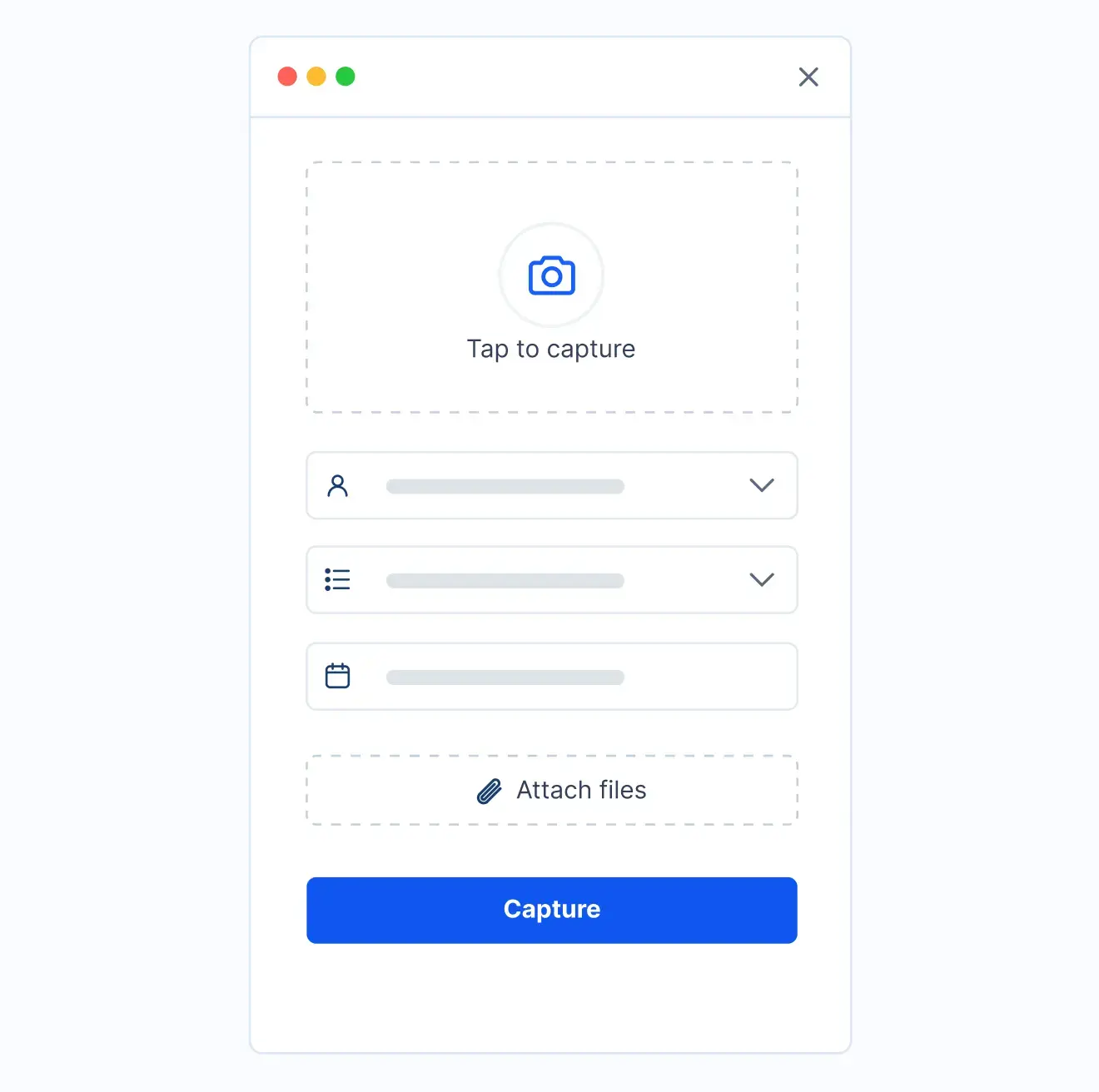
A vendor or fabricator submits a drawing against its document register entry for the package.
Review
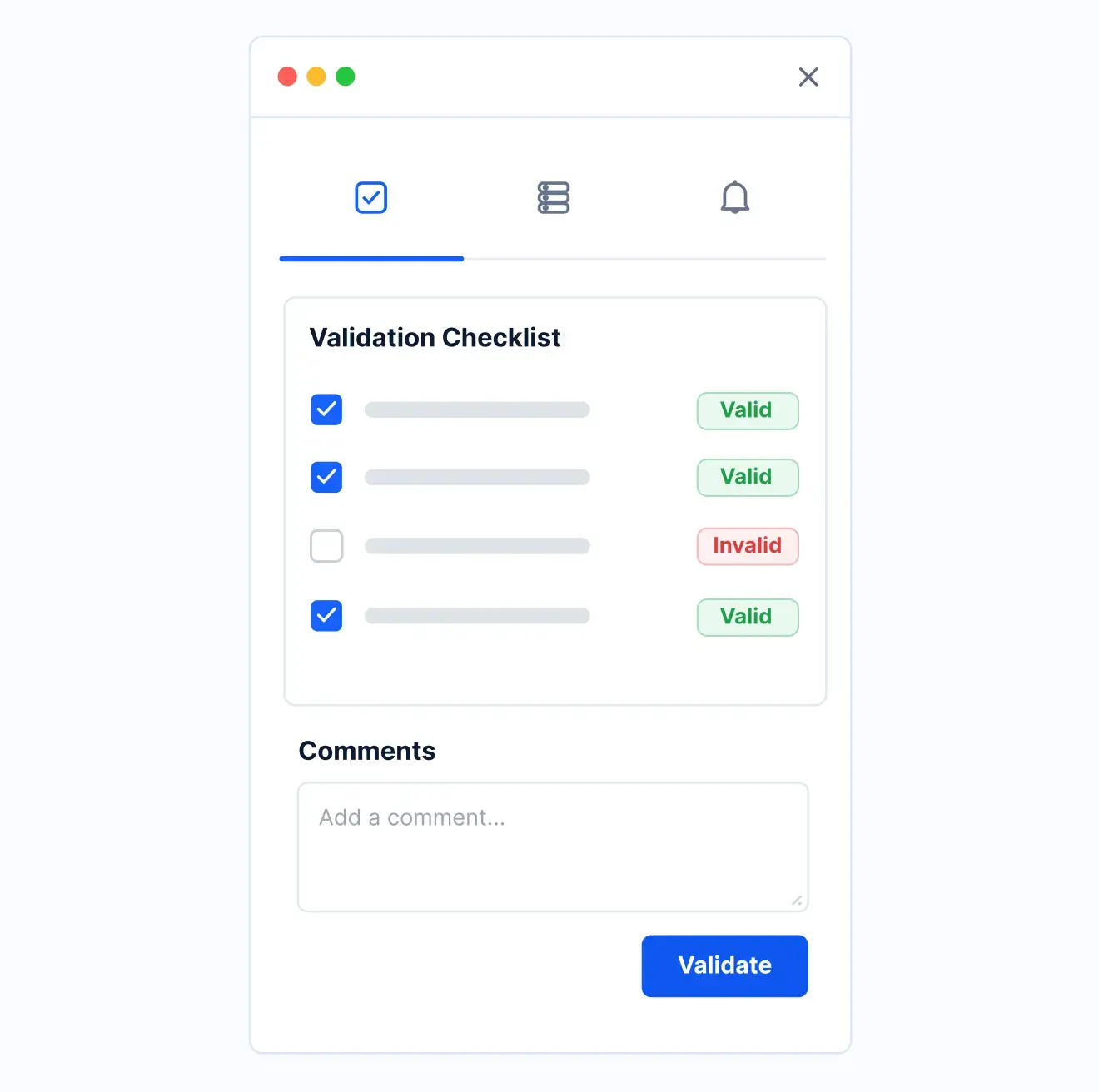
The drawing routes automatically to the responsible discipline engineer for review.
Approve
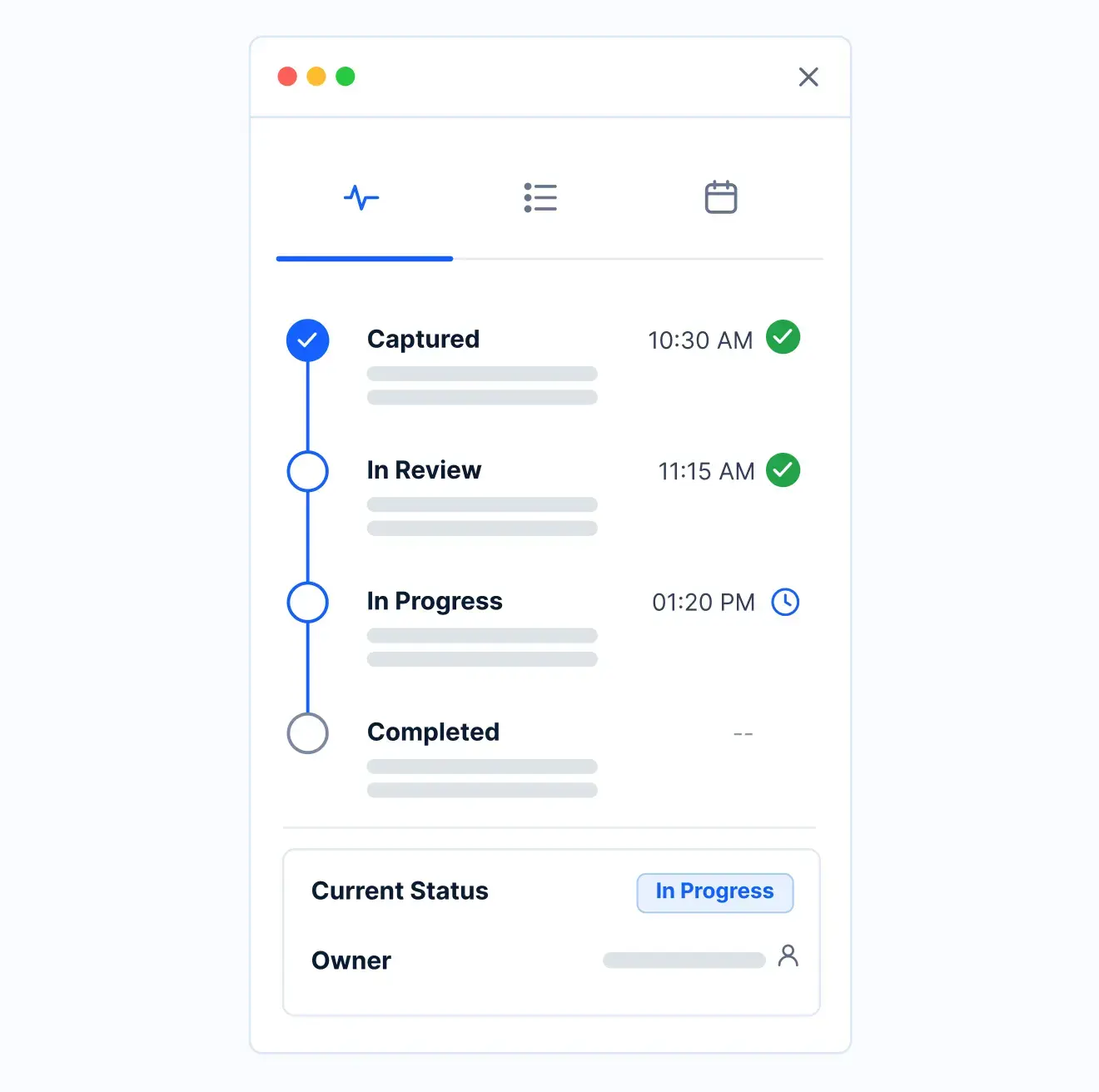
The reviewer applies a code disposition and attaches any markups directly to the drawing.
Record
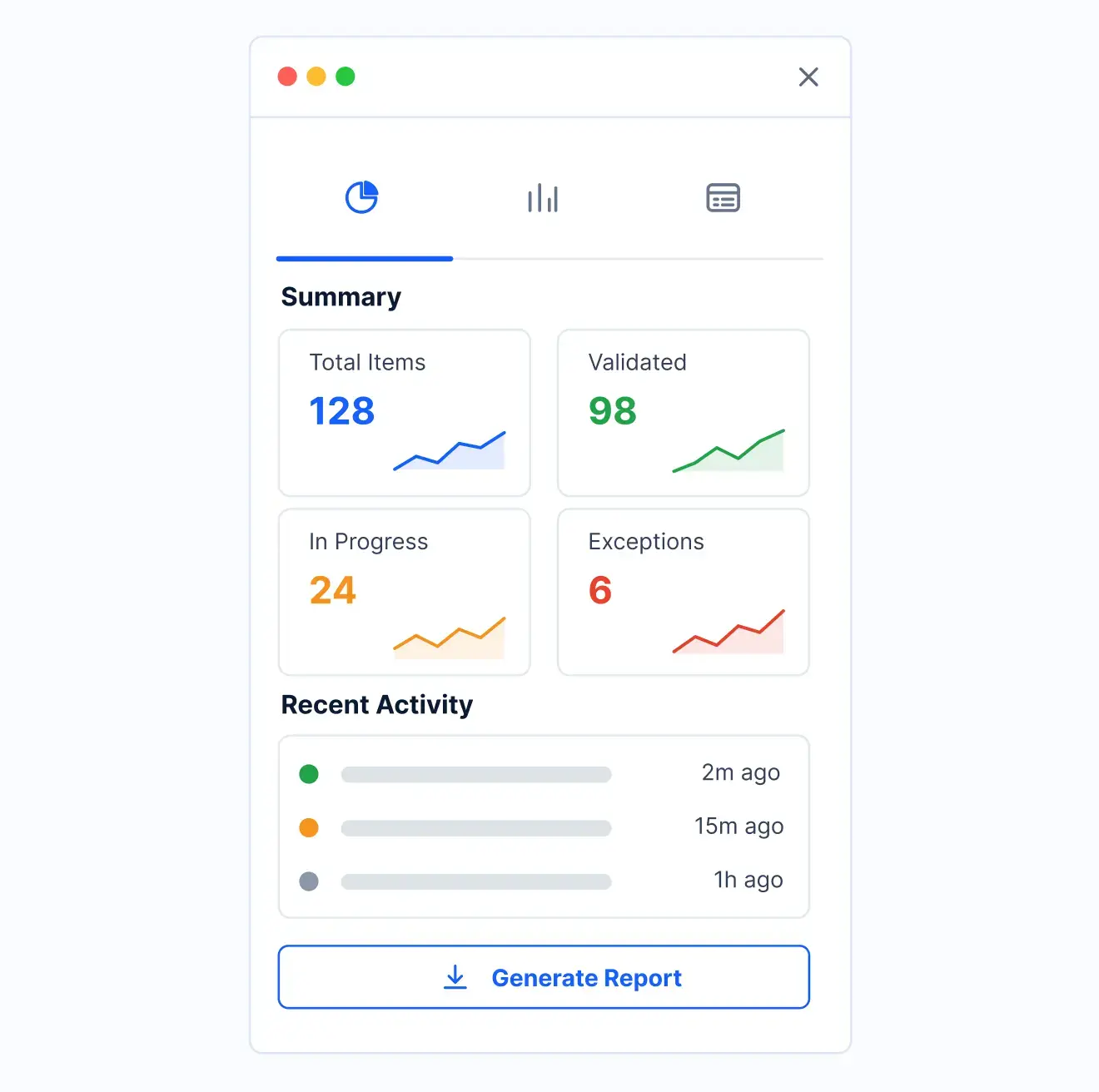
An approved drawing releases for fabrication, while a Code 3 drawing tracks through the resubmission cycle.
What changes when vendor drawing approval runs on Kissflow
| Process | Before Kissflow | On Kissflow |
|---|---|---|
| Drawing submission | Emailed as a PDF to whoever's available | Logged against its document register entry |
| Review assignment | Whoever picks it up first | Routed to the responsible discipline engineer |
| Code disposition | Typed into an email, sometimes inconsistently | Applied as a standard code with markups attached |
| Resubmission | Tracked by memory of who owes what | Tracked automatically until the drawing clears |
| Release for fabrication | A verbal go-ahead to the shop | A recorded release tied to the approved code |
| Status visibility | A phone call to engineering to check | Visible directly to the fabrication shop |
Connects to your engineering document management system or ERP for the drawing files and purchase order; Kissflow doesn't replace your system of record
Kissflow runs the drawing submission, review, and code-disposition layer. Your document management system or ERP stays the system of record for the drawing files and the purchase order.
.svg)



.svg)
.svg)
.svg)
.svg)

.svg)
.svg)
.svg)
.svg)
.svg)

.svg)

.svg)

.svg)
.svg)
.svg)
.svg)
.svg)
.svg)
.svg)
.svg)
.svg)

.svg)
Built for how a vendor drawing actually gets coded and released
A standard code, applied consistently
Every drawing gets one of the same defined dispositions, not a reviewer's own shorthand.
Resubmission that doesn't get lost
A Code 3 drawing stays tracked until it comes back clean, not forgotten in an inbox.
Release tied to the actual code
Fabrication starts against a recorded disposition, not a verbal go-ahead.
Live in weeks
Configure code definitions and reviewer assignment rules in the visual builder, or describe the use case to the AI Builder.
Governed from day one
Role-based access and a full audit trail on every drawing, code, and release.
Status visible to the shop, not just engineering
A fabricator checks a drawing's real status directly, without a phone call.
Related apps
Vendor Document Review Management System
Review vendor technical documents, data sheets and QA records, alongside fabrication drawings on the same package.
Engineering Deliverable Management System
Track the internal engineering drawings a vendor drawing may need to be checked against.
Material Take-Off Approval Management System
Pull quantities from a released, approved vendor drawing where relevant.
We help fabrication teams start cutting against a recorded code, not a phone call
.gif)

“If a company cannot enable everybody to use AI, they will never get the true benefit of AI. Platforms like Kissflow allow us to put that capability in the hands of our users in a safe way.”
Vagesh Dave
GVP & CIO at McDermott International, Ltd
See The Full Story

“Advanced automation of all processes is easy to set up. I cannot imagine how to manage workflows without this software.”
Tanay Tiwary
Global Head - Digitalization & Business Improvement
See the Full Story

“Kissflow supports rapid application development by building a working application prototype in the shortest amount of time.”
Maria Theresa Cabigon
CIO, SN Aboitiz Power Group
See The Full Story
See what Kissflow can do for you
Talk to usGot questions? We're here to help.
Get SupportNo. Your document management system or ERP stays the system of record for the drawing files and the purchase order. Kissflow runs the submission, review, and code-disposition workflow tied to them.
This app is scoped specifically to fabrication and engineering drawings, reviewed with a formal code disposition tied to release for fabrication. Vendor Document Review Management System covers the broader set of vendor technical documents, data sheets, QA/QC records, and manuals.
Configurable to your program, typically approved, approved as noted, revise and resubmit, and rejected, each triggering a different next step, release, release with noted comments, or resubmission.
Yes. Reviewer comments and markups attach to the drawing record itself, not a separate email or file.
A Code 3 drawing stays open against its original submission, and the vendor's revised version tracks through the same review cycle until it clears.
Yes. Status is visible to whoever you grant access to, so a shop doesn't need to call engineering to check.
Configuration and AI-assisted app generation move delivery from a multi-month program to a matter of weeks.
Kissflow is certified to SOC 1, SOC 2, SOC 3, and ISO/IEC 27001, with role-based access and a full audit log on every drawing and code decision.