Research Project Portfolio Dashboard Built for the Question a Vice President for Research Asks Every Monday
Every active award's status, reporting deadline, and risk flag rolls up into one view, with drill-down to a single award, instead of a status request sent to three different offices and answered on three different timelines by three different people.

Trusted by leading universities worldwide






Three offices, three answers, one question
A vice president for research who wants to know which of the active awards is behind on its reporting deadline this week is, on most campuses, asking three different offices and waiting for three different answers, sponsored programs for status, departments for spend, compliance for open flags, none looking at the same number at the same time. By the time the three answers come back and get reconciled, the question has usually changed.
Research Project Portfolio Dashboard pulls award status, reporting deadlines, and spend data from wherever they already live, sponsored programs, departments, and compliance offices, and rolls them into one dataset with drill-down to a single award. Leadership sees the full portfolio at a glance instead of three separate exports, and can drill into any one award for the specific status, deadline, or risk detail behind the summary number.
A missed reporting deadline, a budget variance, or an open compliance flag surfaces automatically as a portfolio-level risk the moment it crosses a defined threshold, so the answer to Monday's question is a dashboard already current, not a round of emails sent Monday and answered sometime Wednesday.
What breaks when portfolio visibility runs on emailed status requests
No single view across offices
Sponsored programs, the IRB office, and individual departments each hold a piece of the picture.
Reporting deadlines are tracked per award, not portfolio-wide
Nothing surfaces which of the active awards is closest to a missed sponsor deadline.
Risk flags are discovered late
A budget or compliance risk on one award does not surface at the leadership level until it becomes a problem.
Answering a leadership question takes days
A status request to research leadership means three emails and a wait for three replies.
Three modules. Built to answer the portfolio question without three emails.
Every module ships with default dashboards and alerting. Configure each one to match the data sources your research offices already use.
Multi-source award aggregation
Award status, reporting deadlines, and spend data are pulled from sponsored programs, departments, and compliance offices into one dataset.
Interactive portfolio dashboard with drill-down
Leadership sees the full portfolio at a glance and can drill into a single award for its status, deadline, and risk detail.
Threshold alerts
A missed reporting deadline, a budget variance, or an open compliance flag surfaces automatically as a portfolio-level risk.
From request to system of record in four steps
Capture
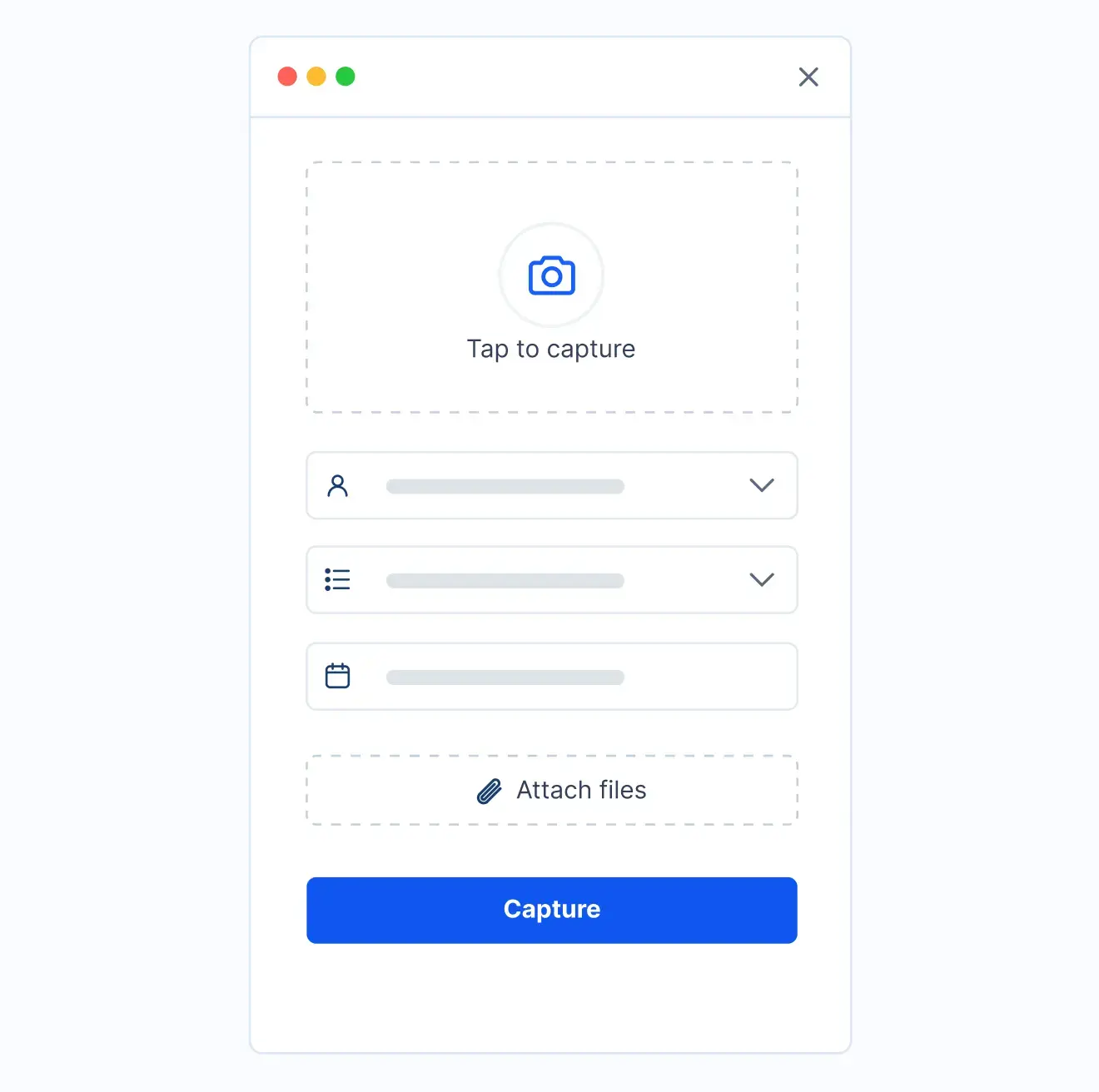
Status, deadlines, and spend data are pulled automatically from the research offices that already hold them into one portfolio record.
Validate
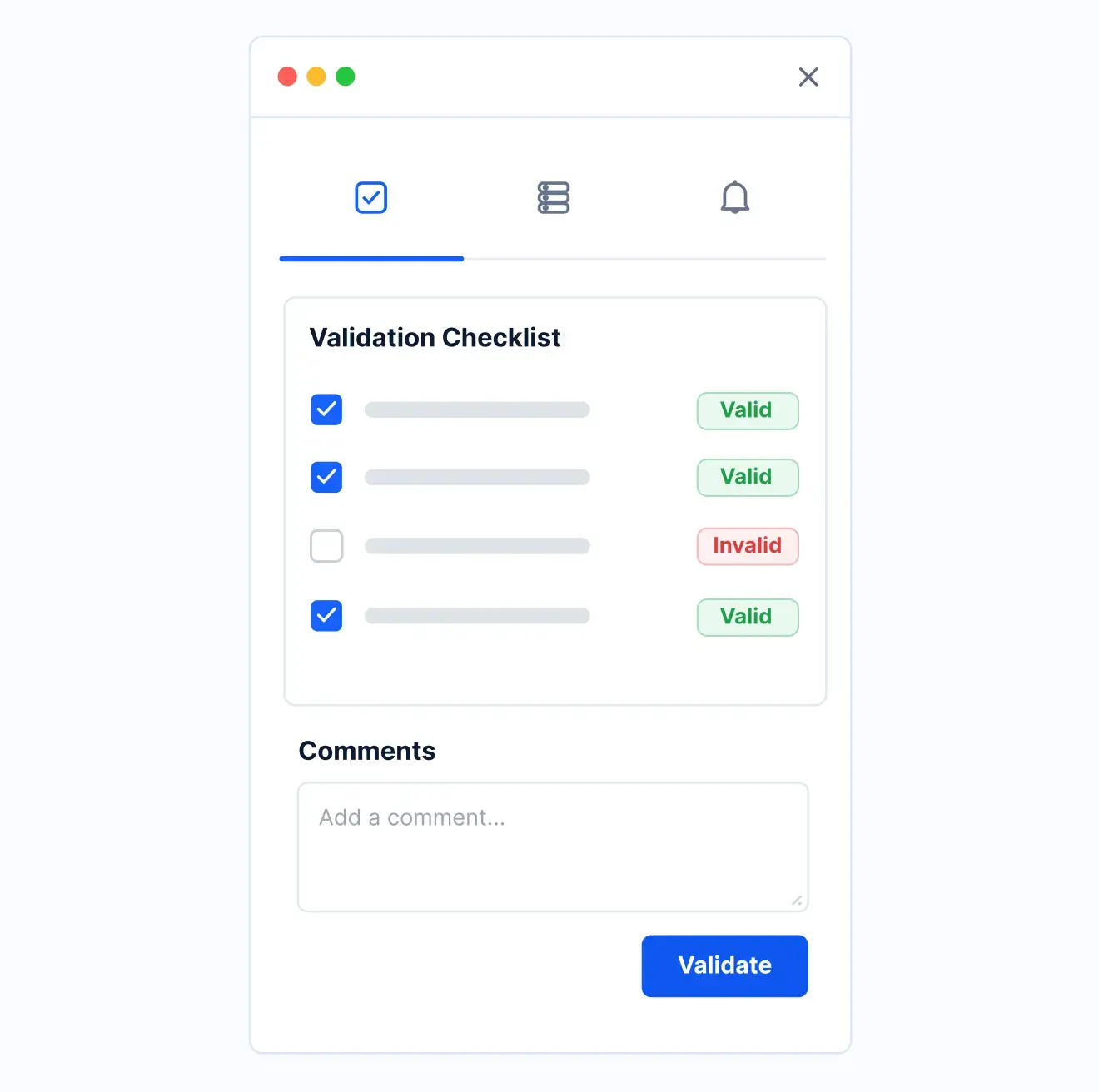
Figures are aggregated and checked across every active award, so leadership sees one current view instead of three separate exports on three timelines.
Track
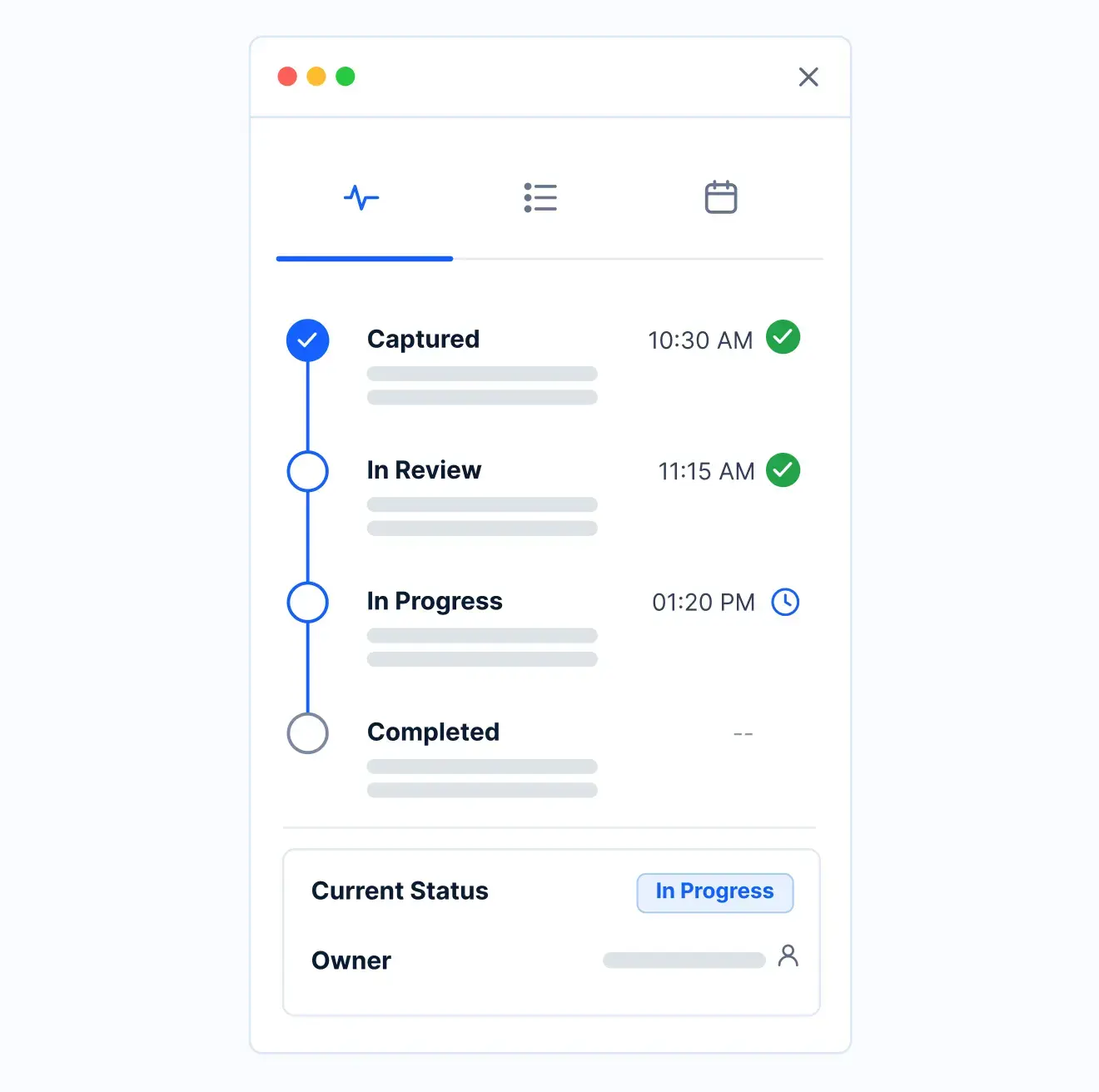
Selecting a single award drills down to its detailed status, deadline, and risk, and a missed deadline or budget variance surfaces as a portfolio-level flag automatically.
Report
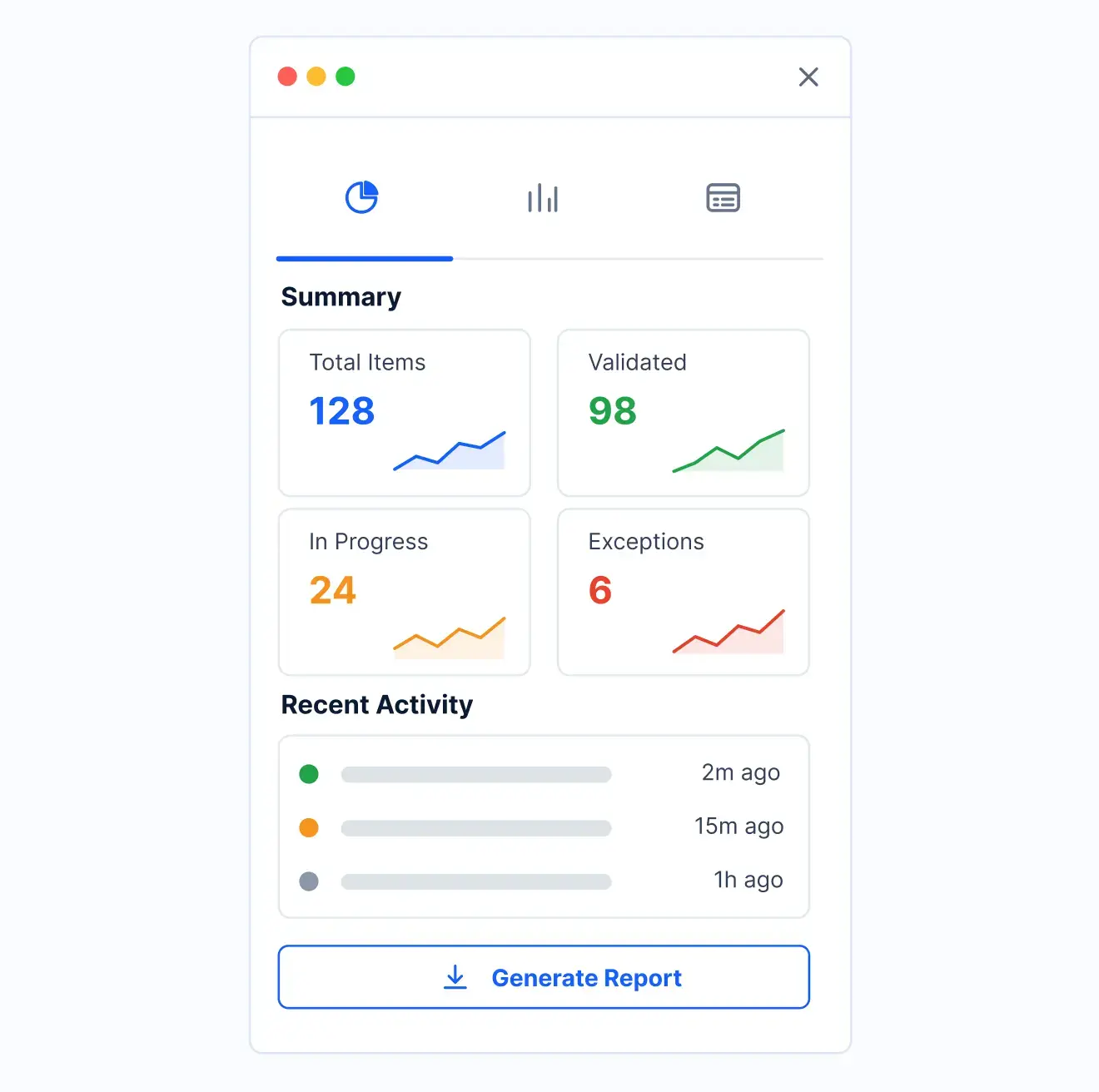
Because the dashboard is the system of record, every active award rolls up live for the question a vice president for research asks every Monday, with no status request sent.
What changes when portfolio visibility runs on Kissflow
| Process | Before Kissflow | On Kissflow |
|---|---|---|
| Award status | Held separately by three offices | Aggregated into one portfolio view |
| Reporting deadlines | Tracked per award, not portfolio-wide | Rolled up with the ones closest to due |
| Risk visibility | Discovered when it becomes a problem | Flagged at the portfolio level automatically |
| Leadership questions | Answered after three emails | Answered by drilling into the dashboard |
| Drill-down | Not available without pulling records | One click to a single award's detail |
| Data currency | As current as the last manual update | Reflects the underlying systems in near real time |
Connects to your grants and research systems; each system remains the record for its own data
Kissflow does not replace the sponsored programs, compliance, or departmental systems that hold award data. It is the aggregation and reporting layer built on top, giving research leadership one view without changing where each piece of data actually lives.
.svg)



.svg)
.svg)
.svg)
.svg)

.svg)
.svg)
.svg)
.svg)
.svg)

.svg)

.svg)

.svg)
.svg)
.svg)
.svg)
.svg)
.svg)
.svg)
.svg)
.svg)

.svg)
Built for the dashboard, not the workflow underneath it
Live in weeks
Data sources, dashboard views, and threshold alerts are configured in the visual builder, and the AI Builder can generate a starting configuration from a description of your reporting sources.
Aggregated from wherever the data already lives
Sponsored programs, departments, and compliance offices feed the same portfolio view without changing their own systems.
Risk flagged before leadership has to ask
A missed deadline or budget variance surfaces automatically as a portfolio-level alert.
Role-based access
Department staff see their own awards; research leadership sees the full portfolio.
Drill-down to a single award
One click moves from the portfolio view to award-level detail.
A dashboard research leadership can act on
A status question gets answered without a round of emails to three offices.
Related apps
Cross-Office Research Coordination Hub
Runs the actual coordination work between offices on a specific award; see the FAQ for how the two fit together.
Grant Spend and Approvals Management System
Award-level spend tracking with threshold alerts and escalation for sponsored program compliance.
Post-Award Budget Tracking & Reporting Management System
The budget variance and reallocation detail behind a flagged award.
We help research leadership answer a portfolio question with a dashboard, not three emails.
.gif)

“If a company cannot enable everybody to use AI, they will never get the true benefit of AI. Platforms like Kissflow allow us to put that capability in the hands of our users in a safe way.”
Vagesh Dave
GVP & CIO at McDermott International, Ltd
See The Full Story

“Advanced automation of all processes is easy to set up. I cannot imagine how to manage workflows without this software.”
Tanay Tiwary
Global Head - Digitalization & Business Improvement
See the Full Story

“Kissflow supports rapid application development by building a working application prototype in the shortest amount of time.”
Maria Theresa Cabigon
CIO, SN Aboitiz Power Group
See The Full Story
See what Kissflow can do for you
Talk to usGot questions? We're here to help.
Get SupportNo. Each office's own system remains the record for its data. This app aggregates status, deadlines, and spend data from those systems into one portfolio view for research leadership.
Cross-Office Research Coordination Hub runs the actual coordination work between departments, sponsored programs, the IRB, and export control on a specific award. This app is the reporting layer built on top: a portfolio-level view across every active award for research leadership, not a workflow that moves individual tasks.
Sponsored programs and award data, departmental project trackers, and compliance status from research compliance offices, wherever your institution currently holds each piece.
A reporting deadline approaching without a submitted report, a budget variance beyond a defined range, or an open compliance flag on an active award.
Yes. Data sources, dashboard views, and threshold alerts are configured in the visual builder, and the AI Builder can generate a starting configuration from a description of your reporting sources.
Access is role-based. Department staff see their own awards; research leadership sees the full portfolio.
Configuration and AI-assisted setup typically move initial rollout to weeks, not a multi-month systems project.
Kissflow is certified to SOC 1, SOC 2, SOC 3, and ISO/IEC 27001, supports HECVAT review, and is built to support FERPA and GLBA Safeguards obligations, with data residency options in the US, EU, APAC, and Oceania.