Planned Maintenance Downtime Authorization & Multi-Stakeholder Coordination
Taking a line down for planned maintenance needs sign-off from production, quality, and safety before anyone touches the equipment. Kissflow coordinates that authorization in parallel, tracks the downtime window through execution, and requires a formal restart handback before the line returns.

Trusted by leading manufacturers worldwide


One coordinated sign-off path before a line comes down for planned maintenance
Taking a line down for eight hours of planned maintenance needs a yes from production, a yes from quality, and a yes from safety, in close to that order, before anyone touches the equipment. Miss one of those sign-offs and the downtime either doesn't happen on schedule or happens without someone who needed to weigh in, which is how a maintenance window turns into a quality hold nobody planned for. Chasing three separate approvals over email is how the window itself becomes the bottleneck.
Kissflow coordinates that authorization across every stakeholder team in parallel rather than in sequence, tracks the milestones from request to restart handback, and keeps a record of who signed off on what. The request captures the planned window, equipment, expected duration, and the stakeholder teams that need to weigh in, then routes to production, quality, safety, and any other required approver at once, with each sign-off tracked independently. The downtime window is tracked from authorization through execution to restart, and equipment doesn't return to production until maintenance formally hands it back and stakeholders confirm restart readiness.
A planned outage without coordinated authorization slips, or skips a sign-off
Sign-offs happen in series, by chasing people down
Getting production, quality, and safety to sign off on a downtime window means chasing each one separately, extending the lead time for a straightforward outage.
No shared view of the downtime window
Production plans around one assumed start time while maintenance is still waiting on a safety sign-off that could push it back.
Restart handback isn't formalized
Equipment restarts after maintenance with no formal handback confirming it's ready, safe, and cleared by every stakeholder who needed to weigh in.
No record of who signed off on what
When a planned outage runs long or causes a downstream issue, there's no record of which stakeholder approved the original window.
Six modules. Configurable to your stakeholder sign-off matrix.
Every module ships with default forms, approval logic, integrations, and dashboards. Configure each one to your operating model in the visual builder.
Downtime request intake
Captures the planned maintenance window, equipment, expected duration, and the stakeholder teams that need to sign off.
Multi-stakeholder sign-off
Routes the request to production, quality, safety, and any other required stakeholder in parallel, tracking each sign-off independently.
Milestone coordination
Tracks the downtime window from authorization through execution to restart, with each stakeholder's milestone visible to the others.
Restart handback
Requires a formal handback confirmation from maintenance and sign-off from stakeholders before the equipment returns to production.
Live status tracking
Shows every stakeholder exactly where the downtime request sits, from sign-off through execution to restart, in real time.
Audit trail
Keeps every sign-off, milestone, and handback decision on record, tied to the specific downtime window and equipment.
From request to system of record in four steps
Plan
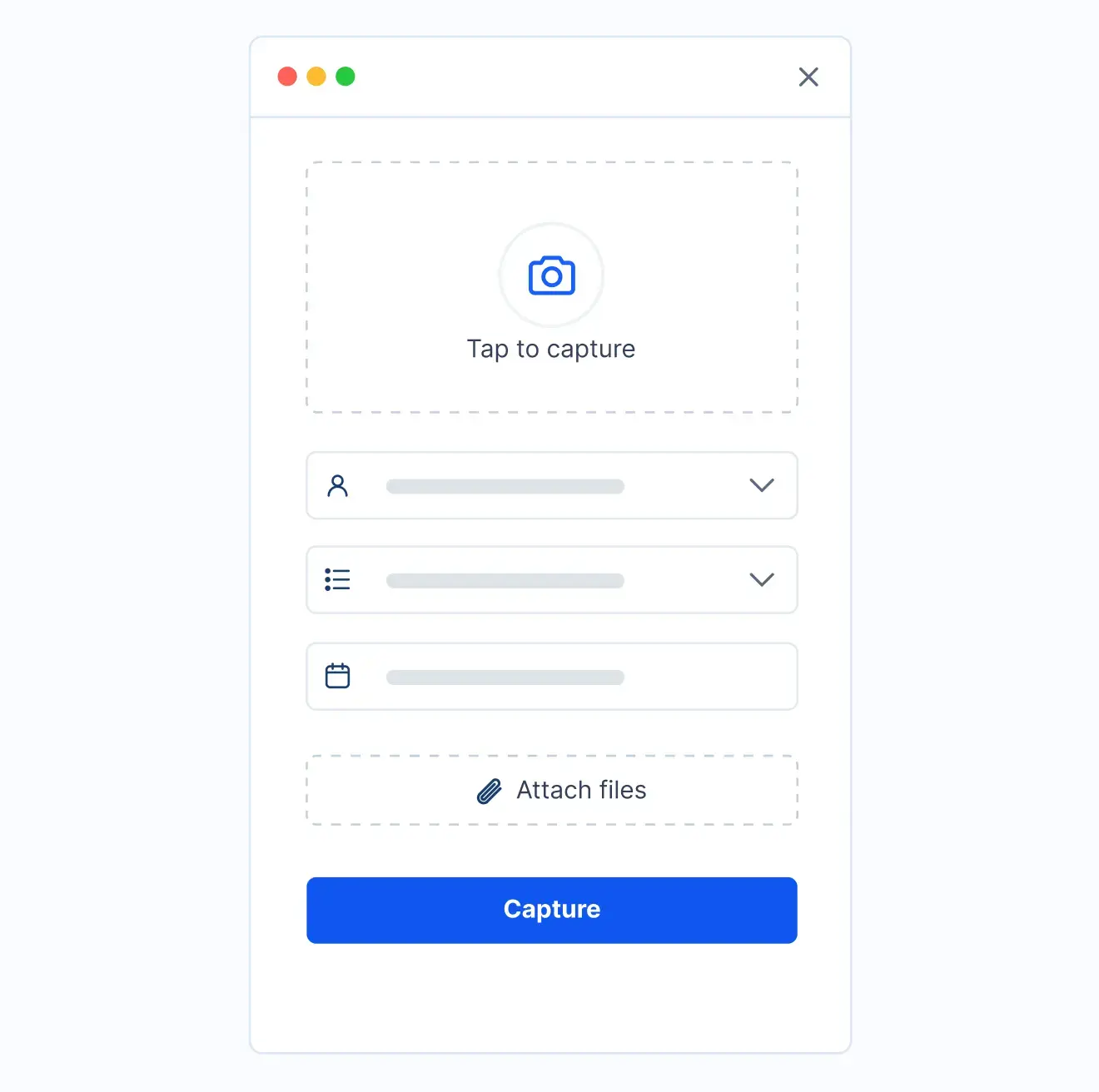
Maintenance submits the planned window, equipment, and expected duration through the intake form.
Assign
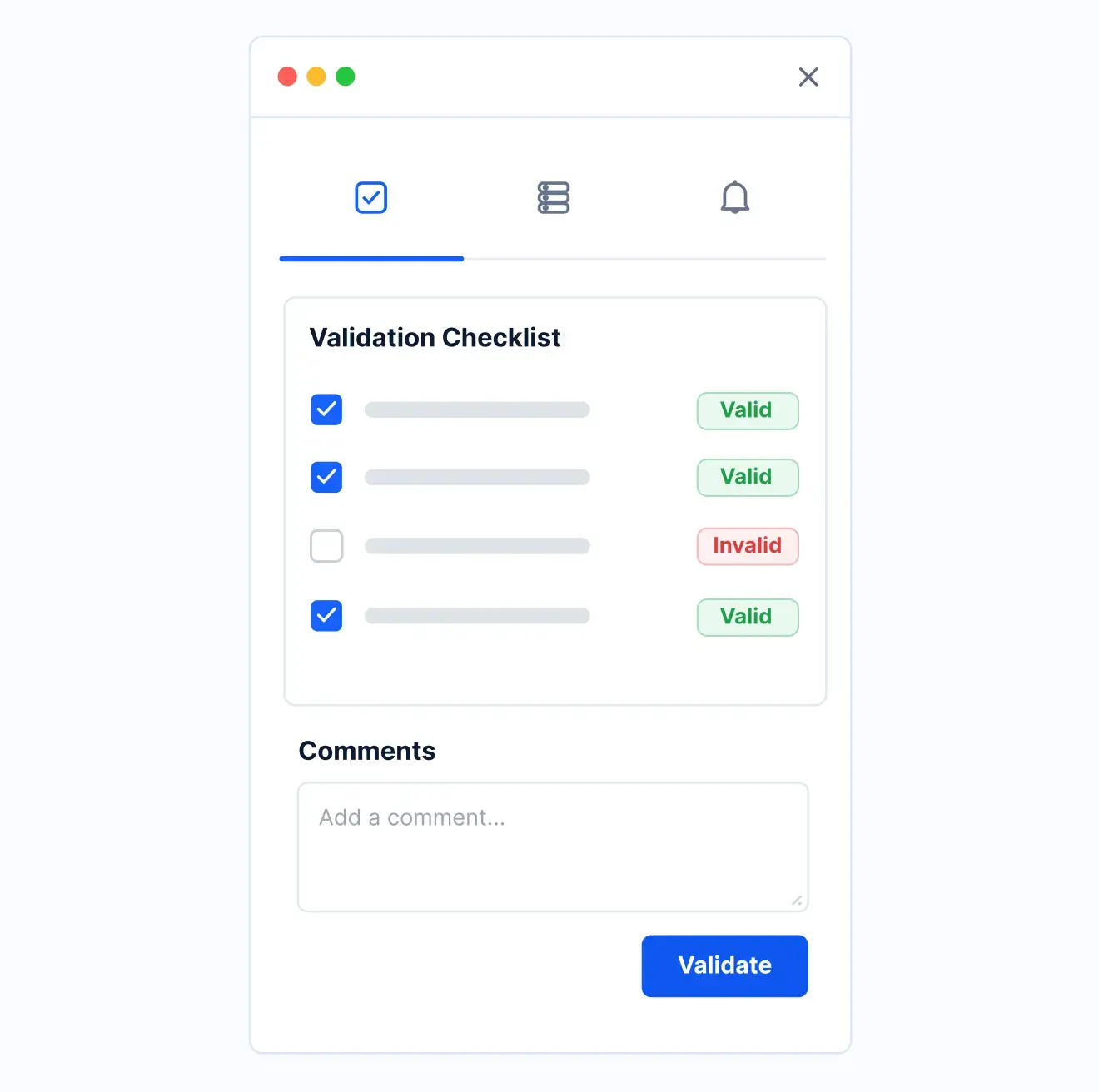
Production, quality, and safety sign off in parallel, with the request visible to every team at once.
Execute
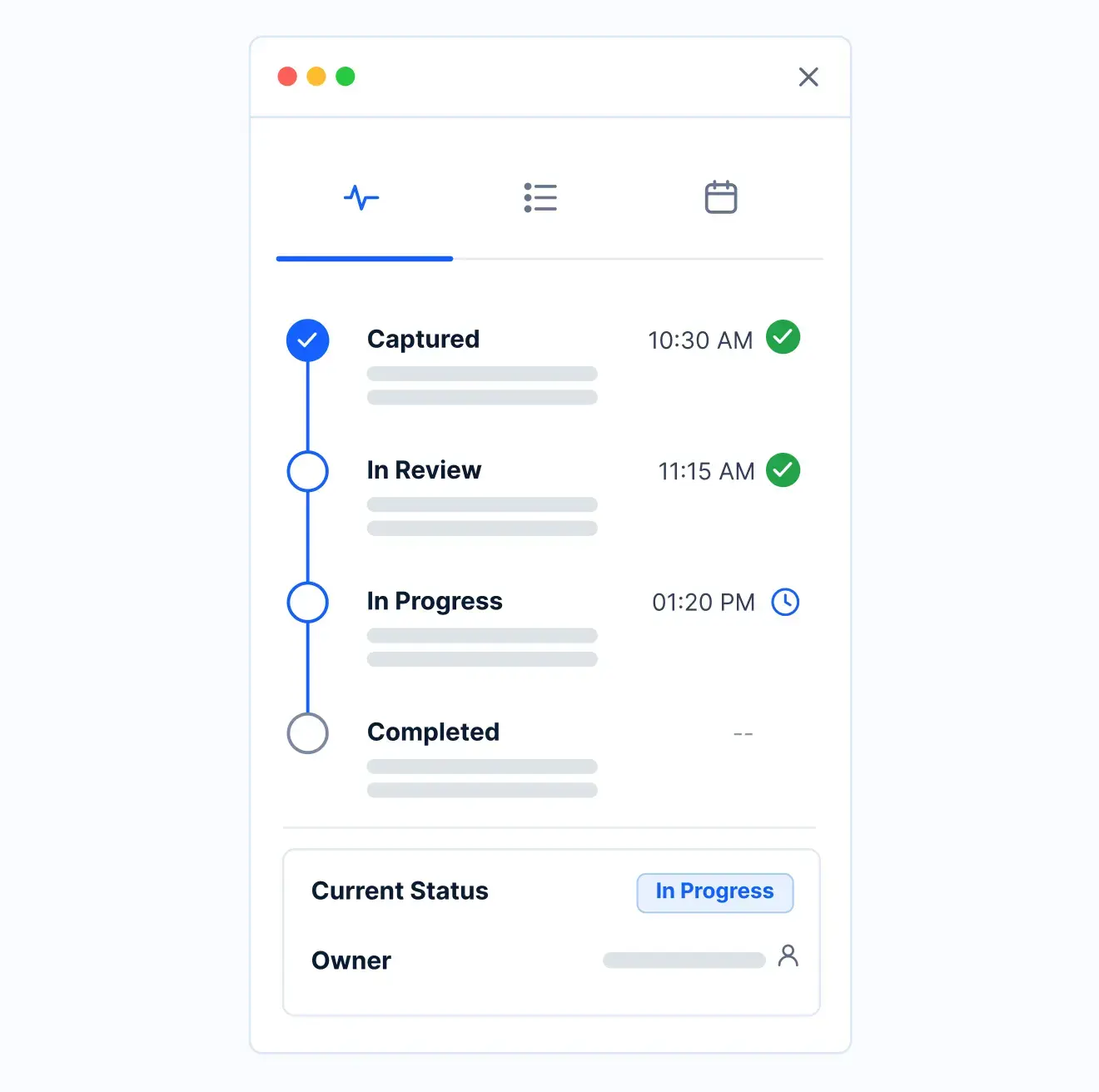
The maintenance work proceeds within the authorized window, with milestone status visible to every stakeholder.
Close-out
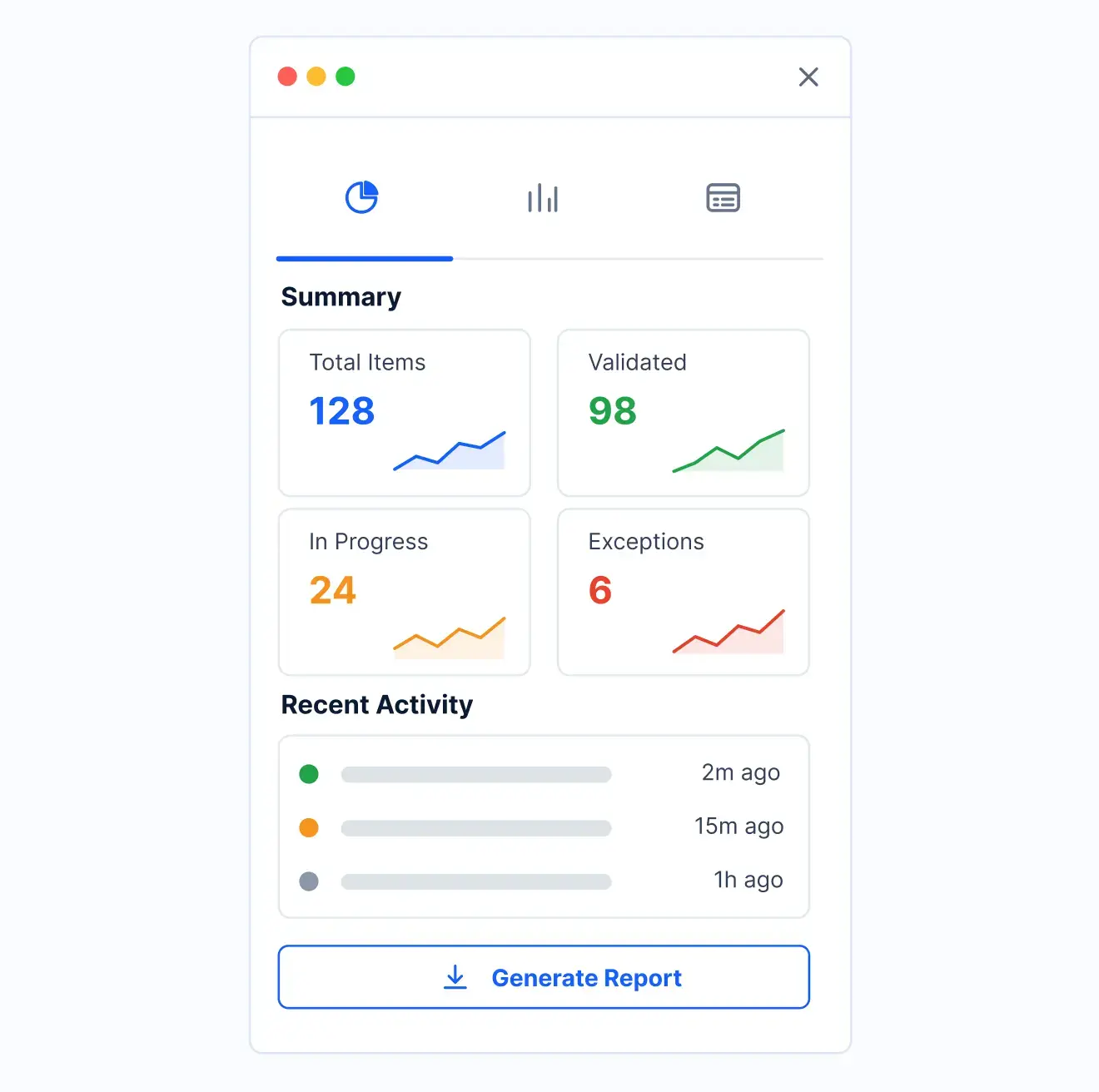
Maintenance formally hands the equipment back, stakeholders confirm restart readiness, and the record is logged.
What changes when planned downtime authorization runs on Kissflow
| Process | Before Kissflow | On Kissflow |
|---|---|---|
| Stakeholder sign-off | Chased one team at a time, extending the timeline | Routed to every stakeholder in parallel |
| Downtime window visibility | Each team assumes a different start time | One shared window visible to every stakeholder |
| Milestone tracking | Status lives in whoever is managing the outage's head | Tracked and visible from authorization to restart |
| Restart handback | Equipment restarts with no formal confirmation | Requires a documented handback and stakeholder sign-off |
| Record | No trace of which stakeholder approved the window | Every sign-off logged against the downtime request |
| Coordination | Depends on informal conversations between teams | Structured coordination across every required stakeholder |
Connects to the CMMS and production scheduling systems you already run
.svg)



.svg)
.svg)
.svg)
.svg)

.svg)
.svg)
.svg)
.svg)
.svg)

.svg)

.svg)

.svg)
.svg)
.svg)
.svg)
.svg)
.svg)
.svg)
.svg)
.svg)

.svg)
Built for how a planned outage actually gets authorized
Parallel sign-off, not a chain of phone calls
Production, quality, and safety sign off at the same time, not one after another by whoever gets asked first.
Restart handback is a required step
Equipment doesn't return to production without a documented handback and stakeholder confirmation.
Live in weeks, not a re-implementation
Configure the stakeholder list, sign-off routing, and handback checklist in the visual builder, without a CMMS change request.
One record of who signed off on what
Every stakeholder's sign-off is logged against the downtime window, not scattered across email threads.
One shared downtime window
Every team sees the same authorized window, so nobody plans around a different assumed start time.
Visibility for everyone waiting on the outage
Production, quality, safety, and maintenance all see live status, not just the team running point.
Related apps
Preventive Maintenance Approval Logic & Work Management System
Approval logic and governance for how scheduled preventive maintenance work orders get generated, approved, and executed
Maintenance Work Order Coordination (EAM-Lite)
Coordinate the work order tasks that happen inside the downtime window this app authorizes.
Line Clearance & Changeover Readiness Authorization
Authorize the line changeover readiness gate, once a planned downtime window here has already been executed.
We help maintenance leaders get every stakeholder to yes before the line comes down
.gif)

“If a company cannot enable everybody to use AI, they will never get the true benefit of AI. Platforms like Kissflow allow us to put that capability in the hands of our users in a safe way.”
Vagesh Dave
GVP & CIO at McDermott International, Ltd
See The Full Story
“Advanced automation of all processes is easy to set up. I cannot imagine how to manage workflows without this software.”
Tanay Tiwary
Global Head - Digitalization & Business Improvement
See the Full Story
“Kissflow supports rapid application development by building a working application prototype in the shortest amount of time.”
Maria Theresa Cabigon
CIO, SN Aboitiz Power Group
See The Full Story
See what Kissflow can do for you
Talk to usGot questions? We're here to help.
Get SupportPreventive Maintenance Approval Logic governs how a PM work order itself gets generated and approved. This app governs the separate, cross-stakeholder authorization for the downtime window that work order actually needs, with production, quality, and safety sign-off.
Any scheduled equipment outage for maintenance that requires sign-off from more than one stakeholder team before it can proceed.
Configurable by equipment and criticality. Typically production, quality, and safety at minimum, with additional stakeholders for regulated or critical equipment.
No. Your CMMS and production schedule stay the systems of record. Kissflow runs the cross-stakeholder authorization and coordination workflow around the downtime window they both need to reflect.
Yes. Process owners configure forms, routing, and thresholds in the visual builder, and the AI Builder can generate a working app from a plain-language description.
Through APIs and integration connectors, under single sign-on and role-based access, with every action written to an audit log.
Configuration and AI generation move delivery from weeks to days, without a multi-year platform program or an engineering backlog.
Kissflow is certified to SOC 1, SOC 2, SOC 3, ISO/IEC 27001, HIPAA, GDPR, and CCPA, hosted on Google Cloud with data residency in the US, EU, APAC, and Oceania.