Operational Budget Approval Software
Kissflow records each department's operating budget by line item, tracks utilization against it in real time, routes a reallocation or transfer request through business office sign-off, flags a department trending over or under budget before quarter-end, and generates variance reporting on demand, so a chair who's overspending in October doesn't have to wait until April to find out.

Trusted by leading universities worldwide






A department chair who overspends in October and asks for help in April had nothing to check against in between
Every department gets an operating budget at the start of the fiscal year, and from that point on, most business offices only find out how it's actually tracking when someone runs a report, often after a problem is already visible. A chair who needs to reallocate funds from travel to supplies mid-year sends an email and waits. A chair who's quietly overspending in one line item has no real-time way to see it either, and neither does the business office, until a quarter-end reconciliation surfaces the gap.
The result is a budget that's technically approved and technically tracked, but functionally invisible between allocation and year-end, with reallocation requests handled as one-off emails instead of a governed process, and variance reporting built manually when someone asks for it.
Kissflow rebuilds this as an operating budget monitoring app: a budget request and allocation record for each department, a reallocation and transfer approval workflow when spending needs to move between line items, real-time utilization tracking against the approved budget, and variance reporting that flags a department trending over or under before quarter-end does it for you.
What breaks when operating budgets aren't monitored between allocation and year-end
Reallocation requests are one-off emails
A transfer between line items has no consistent approval record.
Overspending surfaces at quarter-end
Nobody sees a department trending over budget until the reconciliation report.
Utilization isn't visible in real time
A chair can't check their own remaining balance without asking the business office.
Variance reporting is built manually
Every report cycle starts from scratch instead of from a running record.
Six modules. Built so budget variance surfaces before quarter-end does.
Every module ships with default forms, routing, and dashboards. Configure each one to your budget structure and fiscal calendar in the visual builder.
Budget request and allocation
Records each department's approved operating budget by line item at the start of the fiscal year as the baseline.
Reallocation and transfer approval
Routes a request to move funds between line items, travel to supplies and back, through business office sign-off.
Real-time utilization tracking
Shows spending against the approved budget as it happens, not at quarter-end when the gap is already visible.
Variance alerts
Flags a department trending over or significantly under budget before it becomes a year-end surprise.
Variance reporting
Generates a variance report by department and line item on demand instead of a manual quarter-end build.
Chair self-service view
Lets a department chair check their own remaining balance without emailing the business office and waiting.
From request to system of record in four steps
Capture
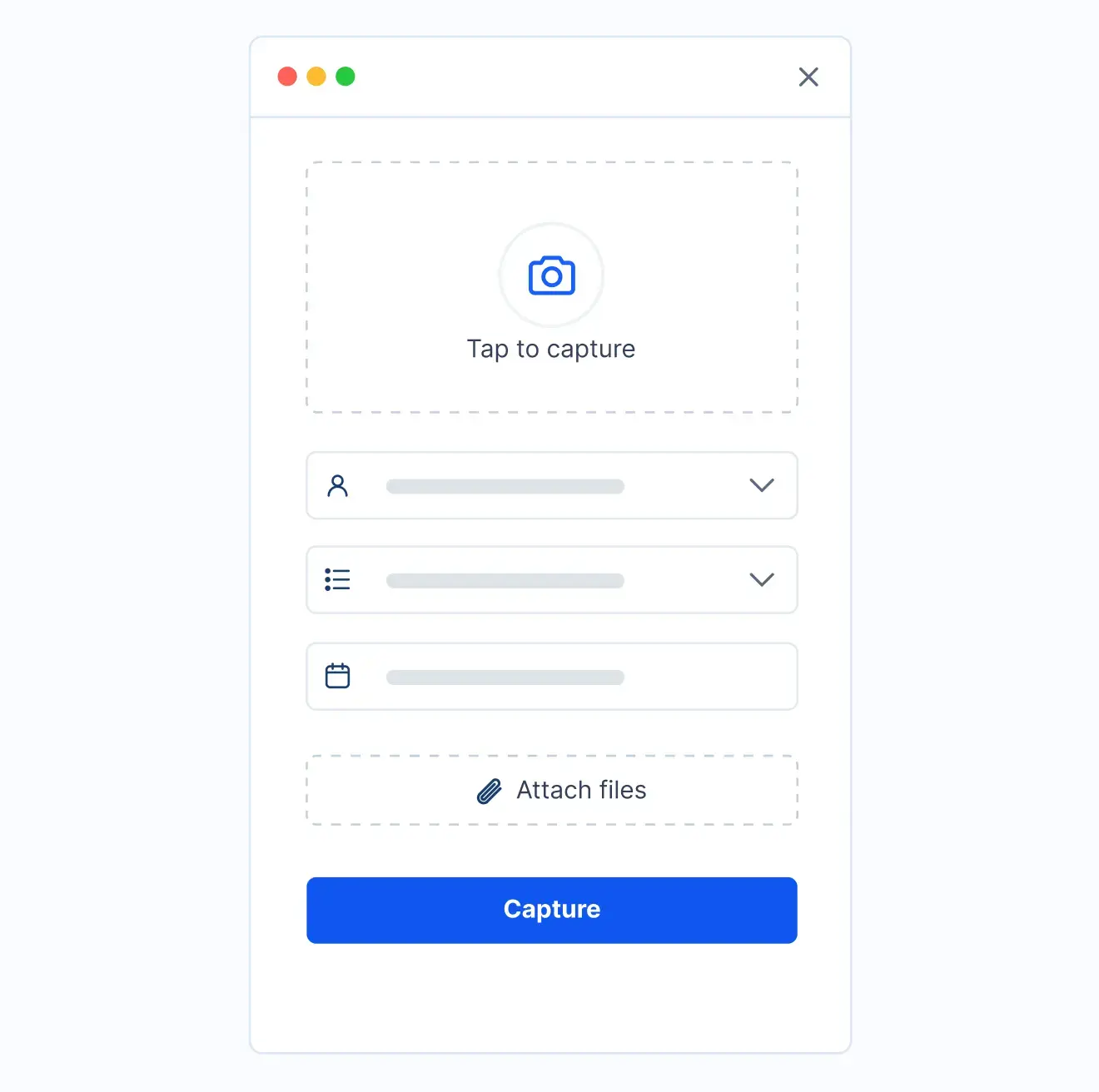
Each department's approved operating budget for the fiscal year is recorded by line item as the baseline.
Validate
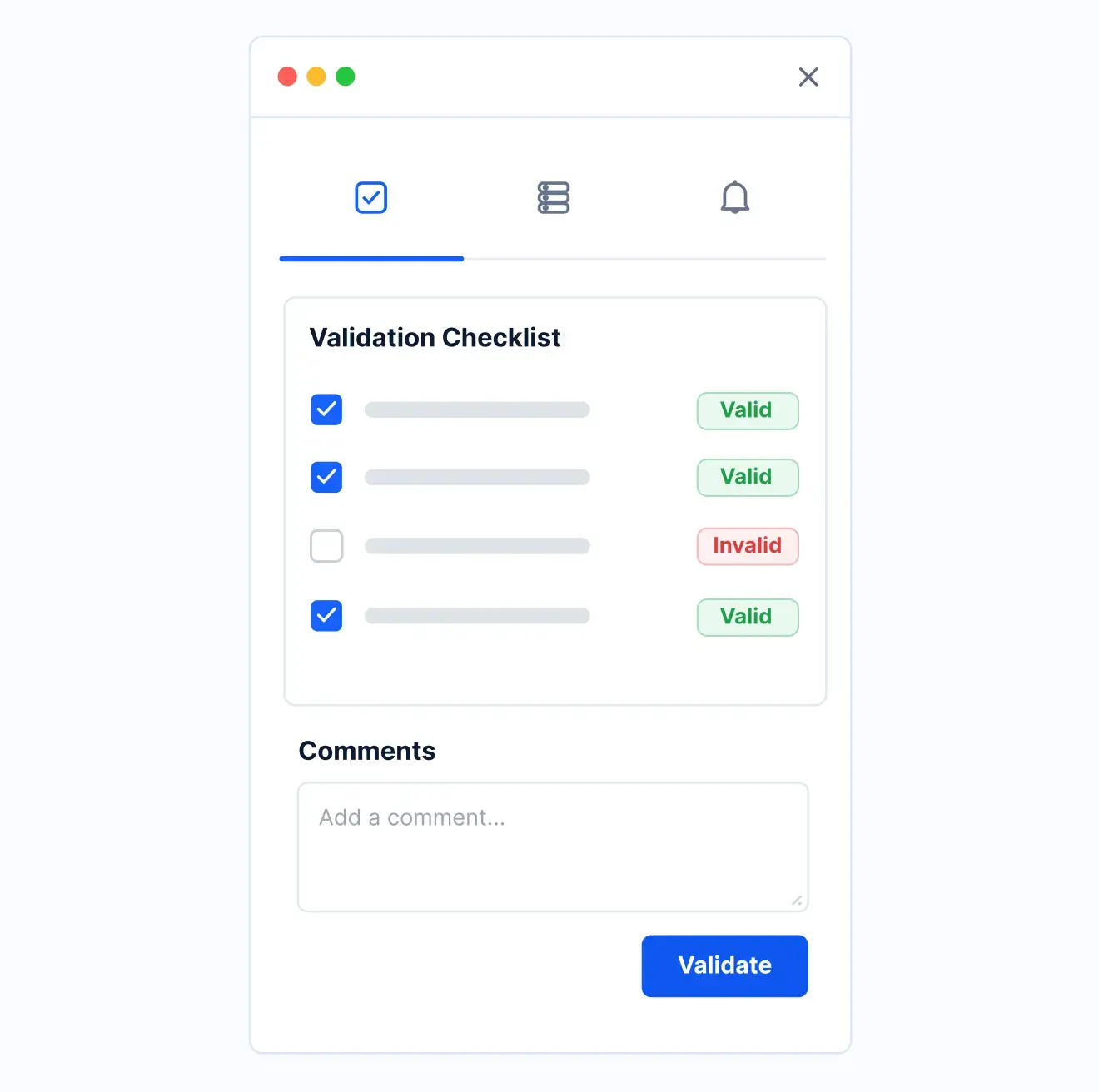
Spending is tracked against the allocation in real time as invoices and requisitions post against it.
Track
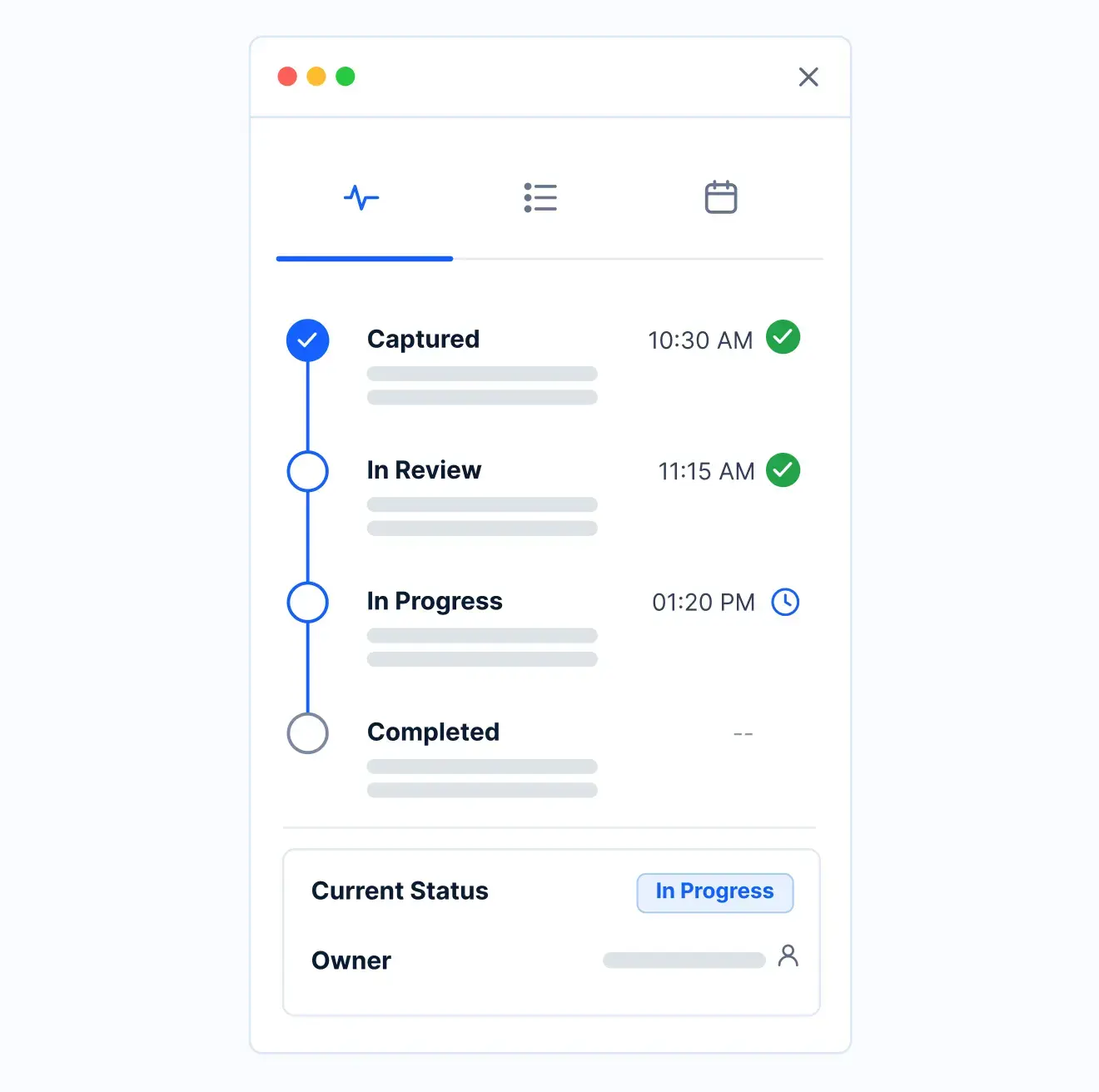
A request to move funds between line items is routed for business office sign-off and applied to the running record.
Report
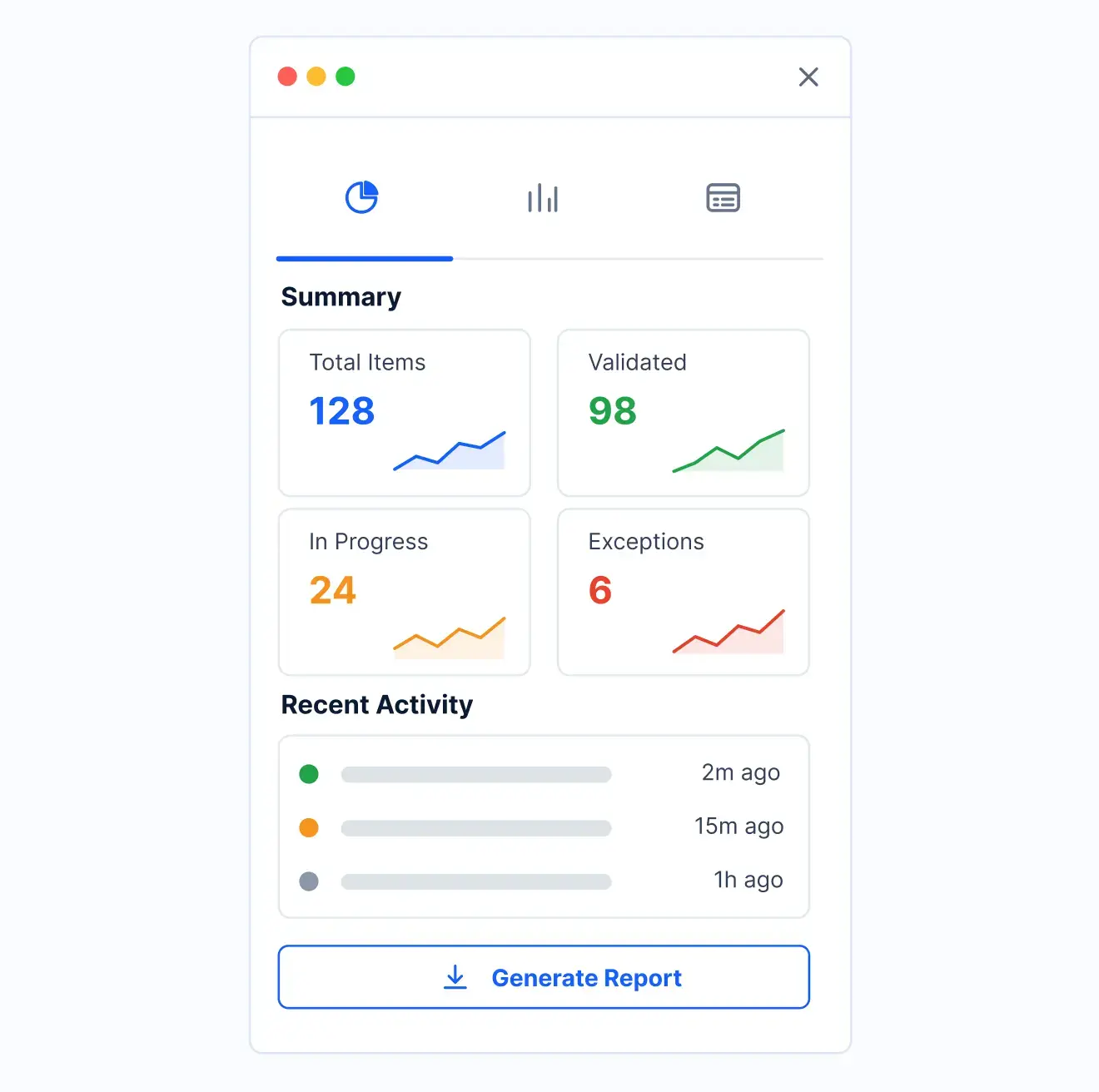
Utilization and variance are reported by department, flagging trends before quarter-end, from the live budget record itself.
What changes when operating budget monitoring runs on Kissflow
| Process | Before Kissflow | On Kissflow |
|---|---|---|
| Budget allocation | Recorded once at the start of the year | Recorded and tracked continuously by line item |
| Reallocation requests | Handled as one-off emails | Routed through a documented approval workflow |
| Overspending | Discovered at quarter-end reconciliation | Flagged by a variance alert before it becomes a surprise |
| Chair visibility | Requires asking the business office for a balance | A self-service view of remaining balance |
| Variance reporting | Built manually from scratch each cycle | Generated on demand from a running record |
| Business office workload | Reactive, chasing down discrepancies | Proactive, alerted before a discrepancy grows |
Connects to your ERP's general ledger; your financial ERP stays the system of record for the ledger
Kissflow does not replace your ERP's general ledger. It is the monitoring, reallocation-approval, and variance-reporting layer that gives departments and the business office a real-time view of the same numbers.
.svg)



.svg)
.svg)
.svg)
.svg)

.svg)
.svg)
.svg)
.svg)
.svg)

.svg)

.svg)

.svg)
.svg)
.svg)
.svg)
.svg)
.svg)
.svg)
.svg)
.svg)

.svg)
Built so budget variance surfaces before quarter-end does
Real-time tracking, not quarter-end surprise
Utilization is visible continuously, not discovered during reconciliation.
Reallocation on record
A fund transfer between line items has a documented approval, not an email trail.
Chairs see their own balance
No need to contact the business office for a status check.
Live in weeks
The business office configures budget structures and approval routing in the visual builder.
Alerts before the trend becomes a problem
A department trending over budget is flagged early, not at year-end.
Variance reporting on demand
No manual report-building from scratch each cycle.
Related apps
College Budget Request and Allocation Management System
The single-college scope of the initial budget ask this app then monitors through the year.
Institutional Budget Allocation and Approval Management System
The institution-wide allocation cycle this app's department-level tracking rolls up into.
Capital Improvement & Renovation Request Management System
Where a capital, rather than operating, budget request gets routed.
We help business offices see budget variance before quarter-end does it for them
.gif)

“If a company cannot enable everybody to use AI, they will never get the true benefit of AI. Platforms like Kissflow allow us to put that capability in the hands of our users in a safe way.”
Vagesh Dave
GVP & CIO at McDermott International, Ltd
See The Full Story

“Advanced automation of all processes is easy to set up. I cannot imagine how to manage workflows without this software.”
Tanay Tiwary
Global Head - Digitalization & Business Improvement
See the Full Story

“Kissflow supports rapid application development by building a working application prototype in the shortest amount of time.”
Maria Theresa Cabigon
CIO, SN Aboitiz Power Group
See The Full Story
See what Kissflow can do for you
Talk to usGot questions? We're here to help.
Get SupportNo. Your financial ERP stays the system of record for the ledger. Kissflow is the monitoring, reallocation-approval, and variance-reporting layer department chairs and the business office actually use day to day.
That app handles the initial budget request and allocation for a single college. This app tracks utilization and variance continuously through the fiscal year, after the allocation is already set.
That app manages the institution-wide allocation cycle across every college. This app operates at the department level, tracking spending against an already-allocated budget and routing reallocation requests.
A chair requests moving funds between line items, and the request routes to the business office for sign-off, with the outcome recorded against the department's budget record.
A configurable threshold, for example a department trending toward 90 percent of a line item with a quarter still remaining, flags automatically for review.
No. Role-based access limits a chair's view to their own department's budget, while the business office sees the institution-wide picture.
Yes. Variance reports can be generated by department, line item, or institution-wide, on demand rather than assembled manually.
Yes. Kissflow is certified to SOC 1, SOC 2, SOC 3, and ISO/IEC 27001, with role-based access to financial data.