Housing and Residence Life Management
Kissflow coordinates a housing application through room and roommate assignment, move-in and move-out, incident logging, and billing on one record shared across the housing office, resident assistants, and the bursar, so a returning question, who's in that room, what happened last week, what do they owe, has one answer instead of three.

Trusted by leading universities worldwide





Room selection opens at 9 a.m., and the assignment that was locked in by 9:03 conflicts with a roommate pairing nobody caught.
Housing runs on a calendar every student and every RA knows: applications open, room selection opens, move-in weekend has a schedule down to the hour. What the calendar doesn't guarantee is that the systems behind it talk to each other. A roommate pairing gets locked in before a conflicting request clears. A resident assistant logs an incident report in one place while the housing office tracks the same student's standing in another. A student who owes a balance from a damaged wall shows up on the bursar's list weeks after they've already moved out.
Each office, housing operations, RA staff, the bursar, student conduct if an incident escalates, works from its own version of who's living where and what's outstanding. Reconciling all of it usually happens at the end of a semester, when someone has to answer a very simple question, who's actually in this room right now, and finds out it takes four phone calls to be sure.
Kissflow runs this as one coordinated housing record: application intake, room and roommate assignment, move-in and move-out logging, incident tracking tied to the resident, and billing that reflects charges as they happen rather than at semester close. Your SIS and bursar system stay the systems of record for enrollment and account balance; Kissflow is where the housing lifecycle actually happens in order.
What breaks when housing runs across three offices and one spreadsheet
Room assignment and roommate matching aren't the same clock
A room can lock in before a conflicting roommate request or a change is caught, with no shared view to catch it.
Incident history doesn't follow the resident
An RA's incident report and the housing office's record of the same student live in different places.
Move-out charges surface weeks late
Damage or missing key charges get billed after a student has already left, instead of at move-out itself.
No one office has the full picture
Housing operations, RA staff, and the bursar each hold a different slice of the same resident's record.
Six modules. Built to keep housing operations, RA staff, and billing on one record.
Every module ships with default forms, routing, and dashboards. Configure each one to your housing cycle in the visual builder.
Application intake
Captures housing applications and preferences, feeding directly into the assignment process.
Room and roommate assignment
Assigns rooms against preferences and availability, with roommate conflicts flagged before an assignment locks in.
Move-in and move-out logging
Records condition, key issuance, and check-in or check-out status against each room, tied to the resident.
Incident logging
Captures an RA's incident report against the resident's record, visible to housing operations and conduct where relevant.
Billing and charges
Applies housing charges, damage fees, and key replacement costs to the resident's account as they occur.
Occupancy and reporting dashboard
Shows current occupancy, open incidents, and outstanding charges by building, floor, or resident.
From request to system of record in four steps
Capture
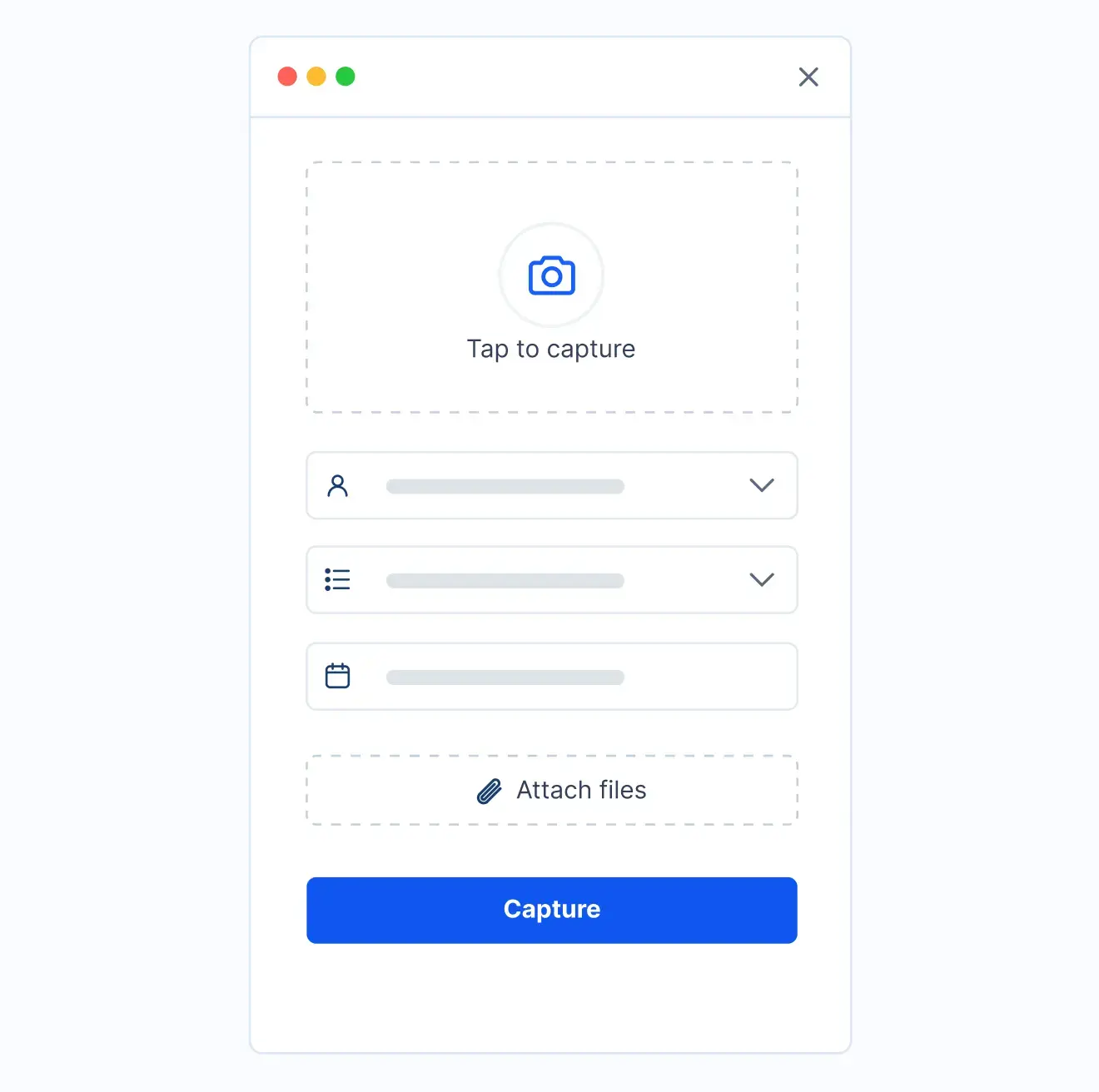
A student applies for housing and is assigned a room and roommate against preferences and availability, opening the resident record.
Validate
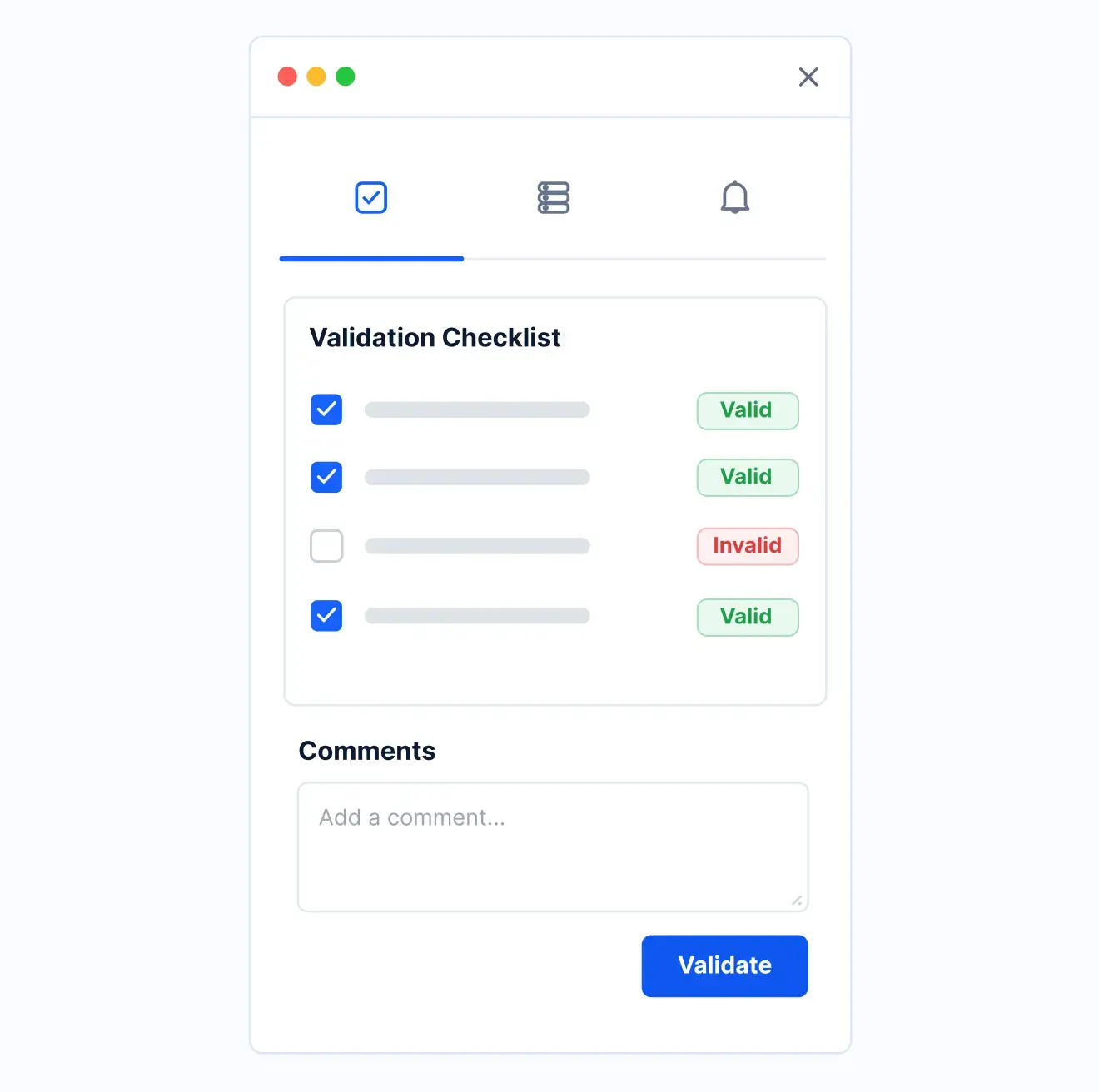
Condition and key issuance are recorded at check-in, establishing the baseline for the resident's stay.
Track
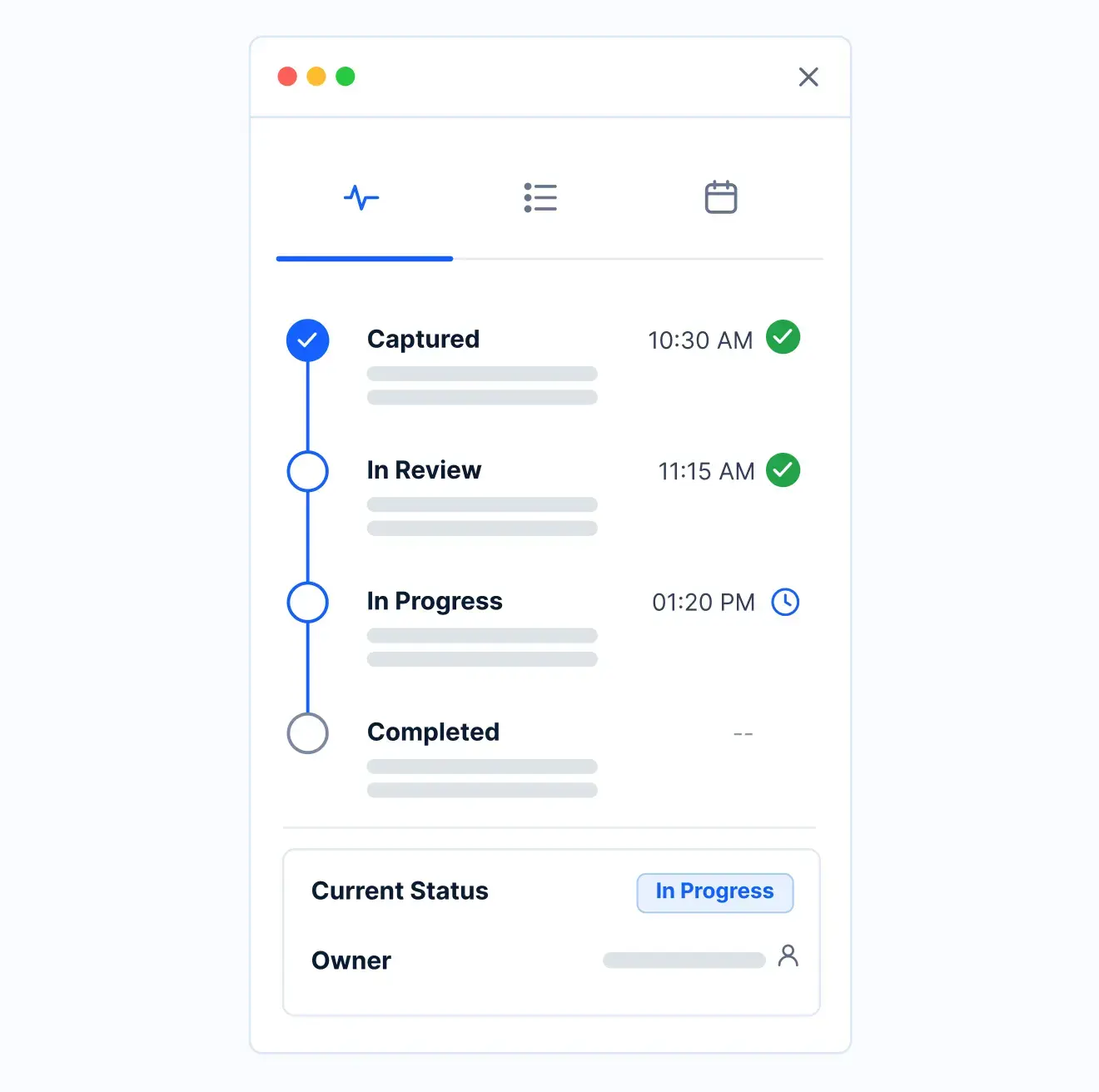
Incident reports, room changes, and billing events are logged against the resident's record as they happen, shared across the housing office, resident assistants, and the bursar.
Report
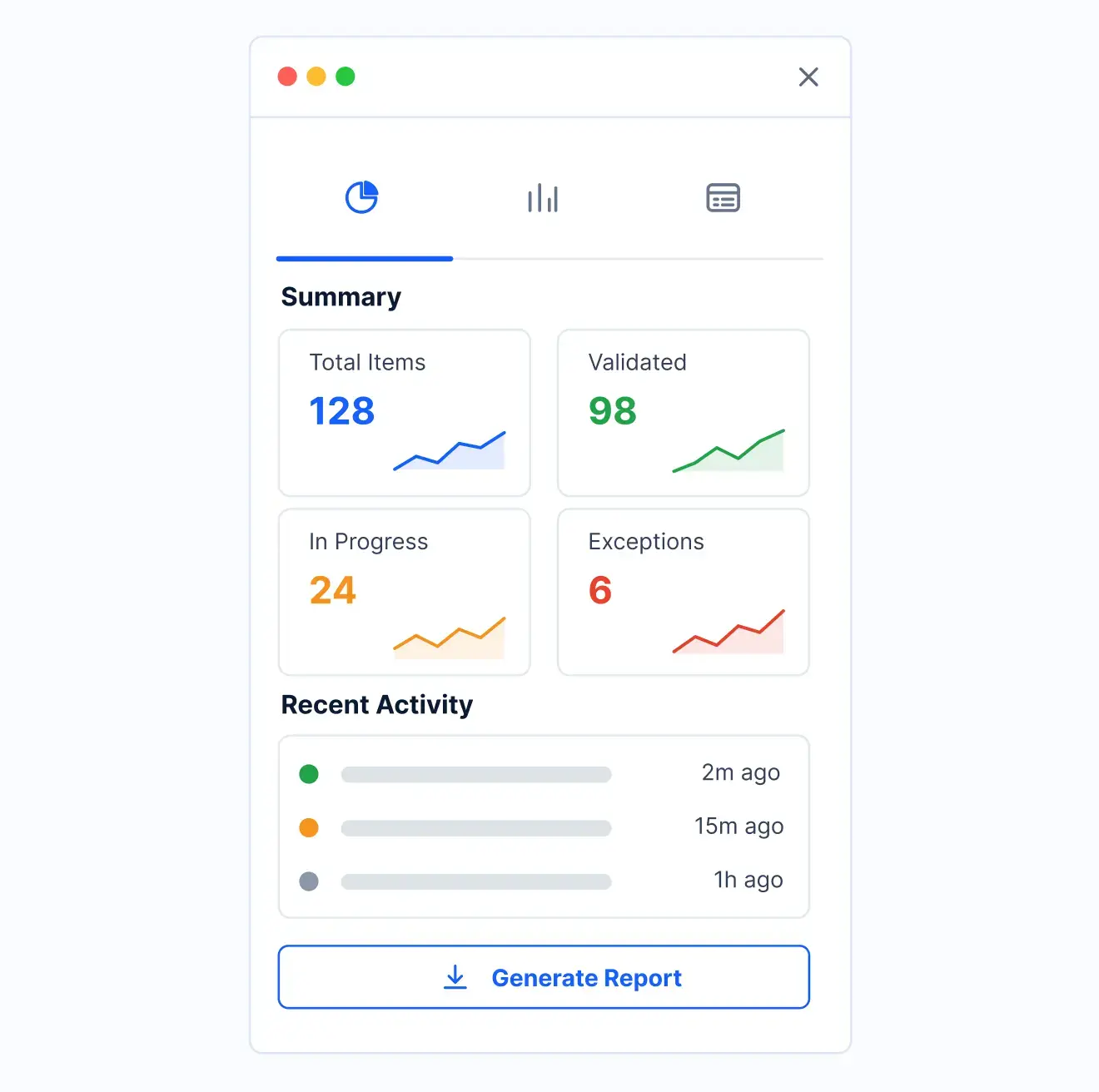
The resident record is the system of record, so condition and charges reconcile at move-out and a returning question — who's in that room, what happened, what do they owe — has one answer.
What changes when housing operations run on Kissflow
| Process | Before Kissflow | On Kissflow |
|---|---|---|
| Application | Paper or generic form, disconnected from assignment | Feeds directly into room and roommate assignment |
| Roommate conflicts | Caught after assignment, if at all | Flagged before a room assignment locks in |
| Incident history | Held by whichever RA filed the report | Attached to the resident's shared record |
| Move-out charges | Billed weeks after a student has left | Applied at move-out, against recorded condition |
| Occupancy visibility | Reconciled manually at semester close | Current occupancy visible by building or floor at any time |
| Cross-office coordination | Housing, RA staff, and the bursar each hold a partial picture | One resident record shared across all three |
Connects to your SIS and bursar system; enrollment and account balance stay where they belong
Kissflow does not replace your student information system or your billing system of record. It is where the housing lifecycle itself, application through move-out, is coordinated and tracked.
.svg)



.svg)
.svg)
.svg)
.svg)

.svg)
.svg)
.svg)
.svg)
.svg)

.svg)

.svg)

.svg)
.svg)
.svg)
.svg)
.svg)
.svg)
.svg)
.svg)
.svg)

.svg)
Built to keep housing, RA staff, and billing on the same record
Roommate conflicts caught before assignment
A conflicting request surfaces before a room locks in, not after move-in day.
Incidents attached to the resident, not the RA's notebook
An incident report is visible to housing operations immediately, not reconstructed at semester end.
Move-out charges applied at move-out
Damage and key charges post against recorded condition at check-out, not weeks later.
Live in weeks
The housing office configures application forms, assignment rules, and billing triggers in the visual builder, without a systems project.
Occupancy visible in real time
Current occupancy, open incidents, and outstanding charges are visible by building or floor at any point in the term.
Access controlled by role
RAs, housing operations, and the bursar each see what their role needs, on the same underlying record.
Related apps
International Student & SEVIS Compliance
Where many incoming international students need housing coordinated alongside their status record.
Facilities Maintenance Request & Work Order Management System
Handles the maintenance ticket when a resident's room itself needs repair.
Matriculation Case Management System
The broader new-student case record this app's housing assignment feeds into.
We help housing offices, RA staff, and billing answer who's in that room with one record, not three
.gif)

“If a company cannot enable everybody to use AI, they will never get the true benefit of AI. Platforms like Kissflow allow us to put that capability in the hands of our users in a safe way.”
Vagesh Dave
GVP & CIO at McDermott International, Ltd
See The Full Story

“Advanced automation of all processes is easy to set up. I cannot imagine how to manage workflows without this software.”
Tanay Tiwary
Global Head - Digitalization & Business Improvement
See the Full Story

“Kissflow supports rapid application development by building a working application prototype in the shortest amount of time.”
Maria Theresa Cabigon
CIO, SN Aboitiz Power Group
See The Full Story
See what Kissflow can do for you
Talk to usGot questions? We're here to help.
Get SupportNo. Your student information system stays the enrollment record and your billing system stays the account-balance record. Kissflow coordinates the housing lifecycle itself, application through move-out.
An incident can be flagged for conduct review while staying attached to the resident's housing record, so both offices see the same underlying facts.
Yes. A conflicting request is flagged before a room assignment locks in, rather than discovered on move-in day.
Yes, application, assignment, and billing rules are configurable for any term or session, not just the standard academic year.
Access is role-based. RAs, housing operations, and the bursar each see the parts of the record their role needs.
Yes, in the visual builder, with the AI Builder able to generate a starting workflow from a description of your housing cycle.
Housing charges, damage fees, and key replacement costs post to the resident's record at move-out or as they occur, and sync to your bursar system.
Yes. Kissflow is certified to SOC 1, SOC 2, SOC 3, and ISO/IEC 27001, and supports HECVAT review.