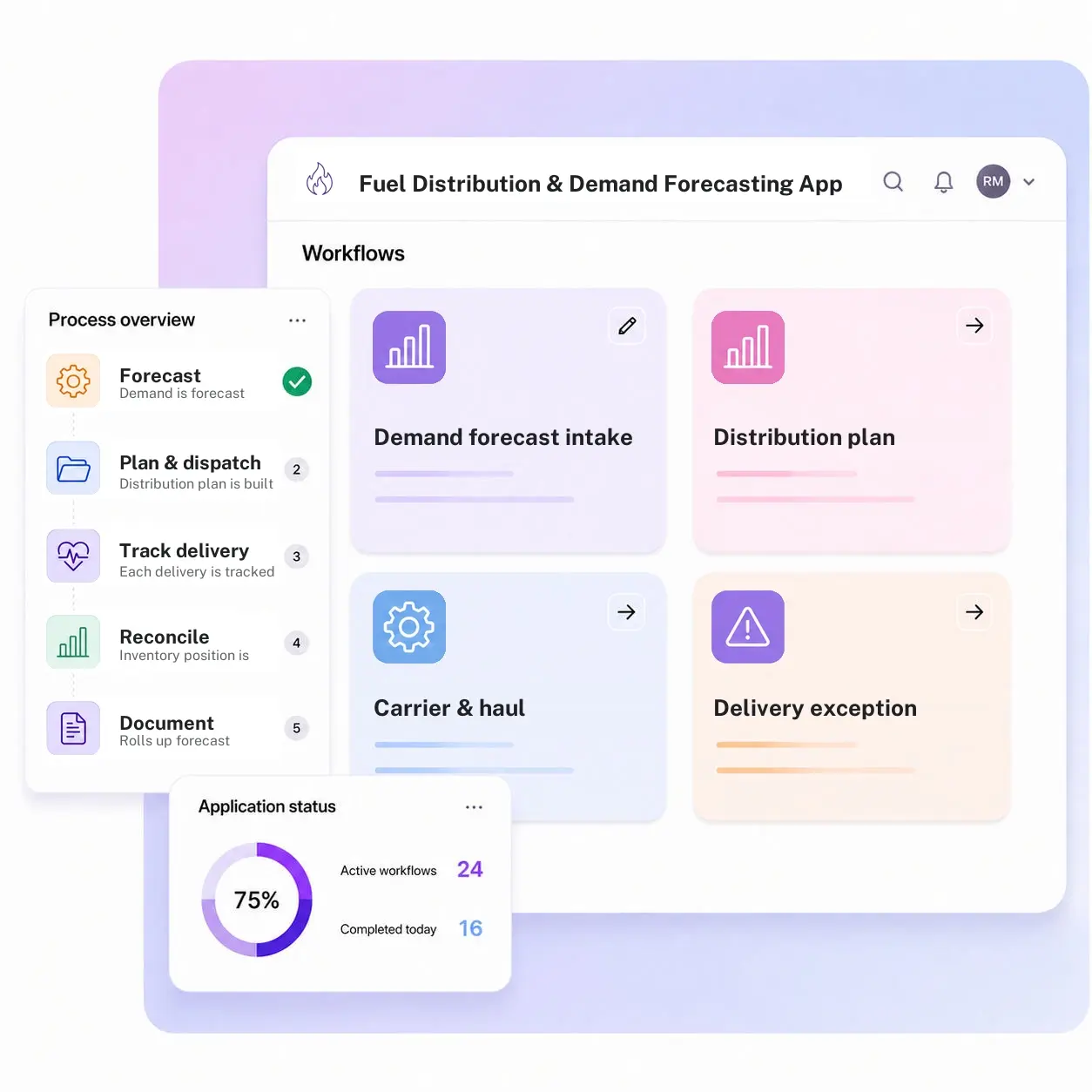
Fuel Distribution & Demand Forecasting App
Kissflow forecasts demand by terminal or station, plans and schedules distribution and dispatch against that forecast, assigns carriers, tracks delivery exceptions, and reconciles the inventory position feeding it, so a terminal running low shows up as a forecast risk with time to act, not a call that arrives too late.
Trusted by energy operators worldwide






A terminal runs low on diesel two days before the forecast said it would, because the forecast was built on last month's numbers
A demand forecast built once a month or once a quarter is already stale by the time it's used to plan distribution. A spreadsheet can hold last month's consumption pattern. It can't account for the week a terminal's draw spiked, or flag that a delivery already fell behind the plan before the next scheduled run.
Kissflow runs fuel distribution as a governed app: demand forecast intake kept current by terminal or station, distribution and dispatch plan scheduling built directly from that forecast, carrier and haul assignment tied to each planned delivery, delivery exception tracking that flags a missed or delayed run automatically, inventory-position reconciliation feeding the next forecast cycle, and reporting across the whole distribution network. A dedicated TMS or carrier dispatch system stays the system of record for the physical movement.
Distribution and logistics leads configure forecast inputs, terminal structure, and exception rules in the visual builder. Every plan, dispatch, and exception carries a timestamp, so a terminal trending toward a stockout is a flagged forecast risk, not a phone call that arrives after the tank runs dry.
What a monthly forecast misses between planning cycles
Forecasts go stale between cycles
Demand data used to plan distribution is already weeks old by the time a plan is built from it.
Dispatch planning is a separate manual step
A forecast doesn't turn directly into a scheduled dispatch without re-entry into another system.
Delivery exceptions surface late
A missed or delayed delivery is usually caught when a terminal calls in low, not when it first falls behind plan.
Inventory position isn't fed back into forecasting
The next forecast cycle doesn't automatically account for how the last one actually played out.
Six modules. Built to catch a stockout risk before the tank runs dry.
Every module ships with default forms, routing, and dashboards. Configure each one to your distribution network in the visual builder.
Demand forecast intake
Keeps demand data current by terminal or station, feeding the distribution plan directly.
Distribution plan and dispatch scheduling
Builds a dispatch schedule directly from the current forecast, by terminal and route.
Carrier and haul assignment
Assigns a carrier and haul to each planned delivery, tracked against the schedule.
Delivery exception tracking
Flags a missed or delayed delivery against the distribution plan automatically.
Inventory-position reconciliation
Reconciles terminal inventory position against the plan, feeding the next forecast cycle.
Distribution reporting
Rolls up forecast accuracy, delivery performance, and exception trends across the network.
From request to system of record in four steps
Capture
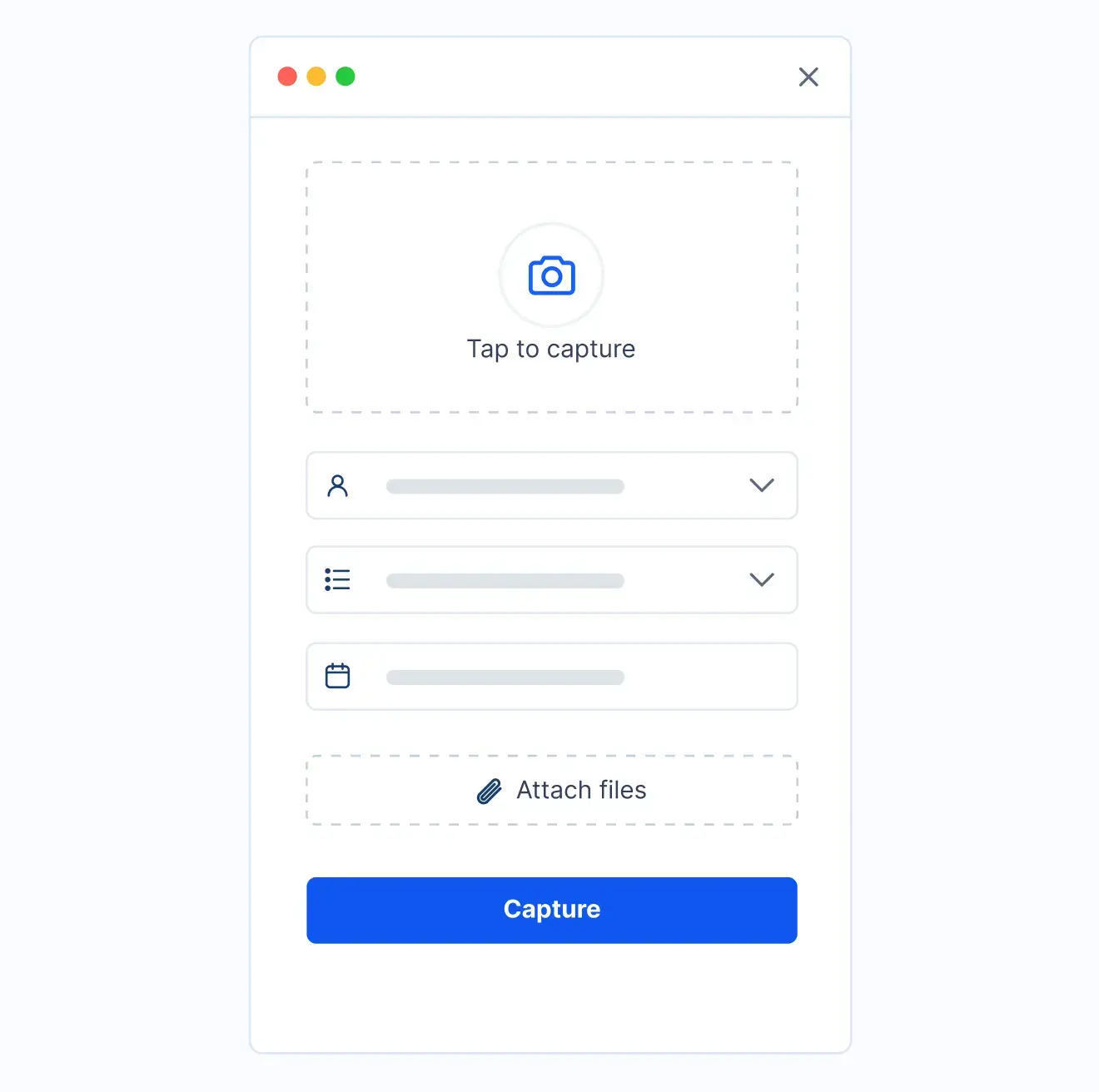
Demand is forecast by terminal or station and kept current for planning.
Validate
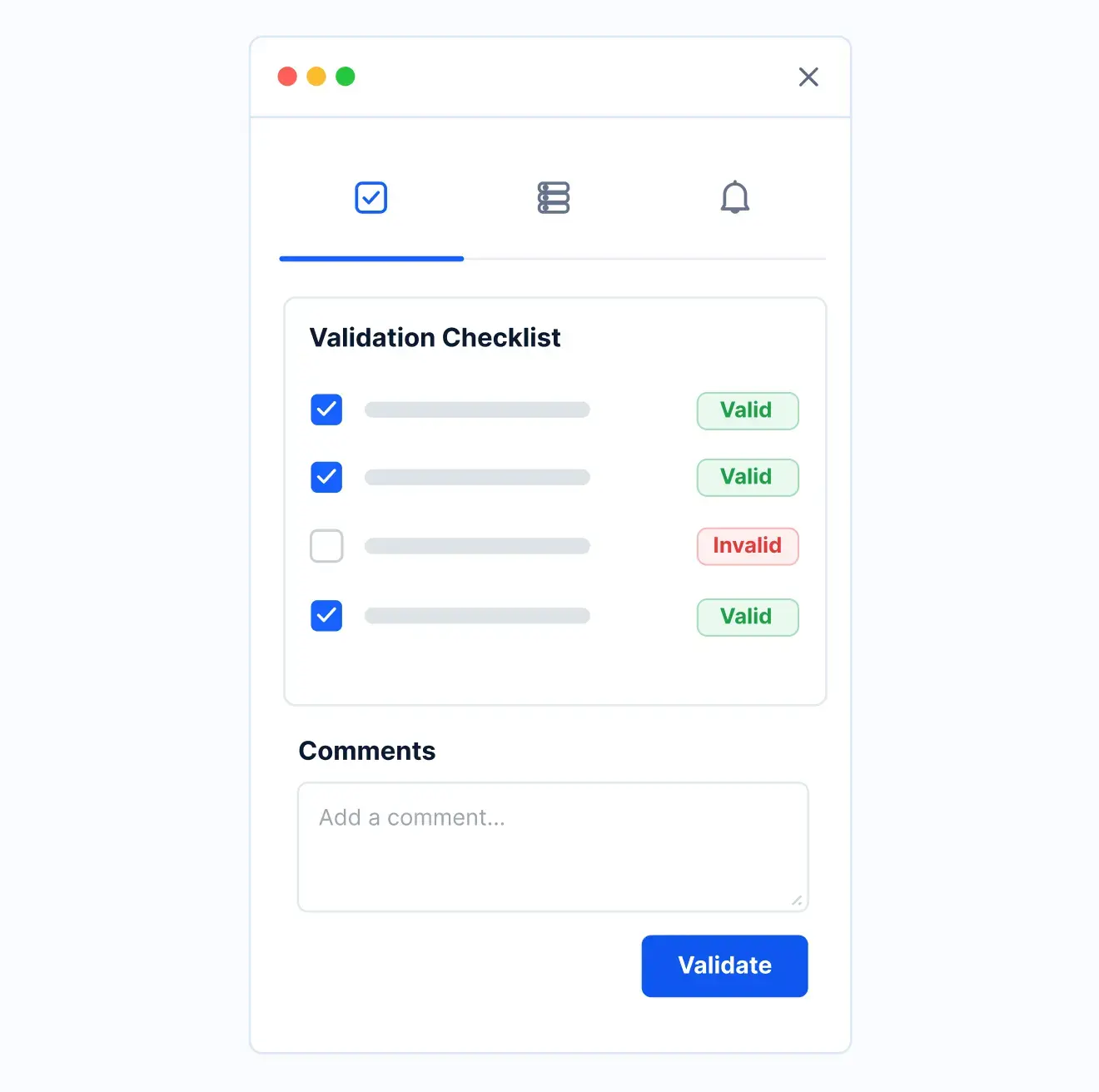
A distribution plan is built from the forecast, scheduled, and validated against a carrier assignment.
Track
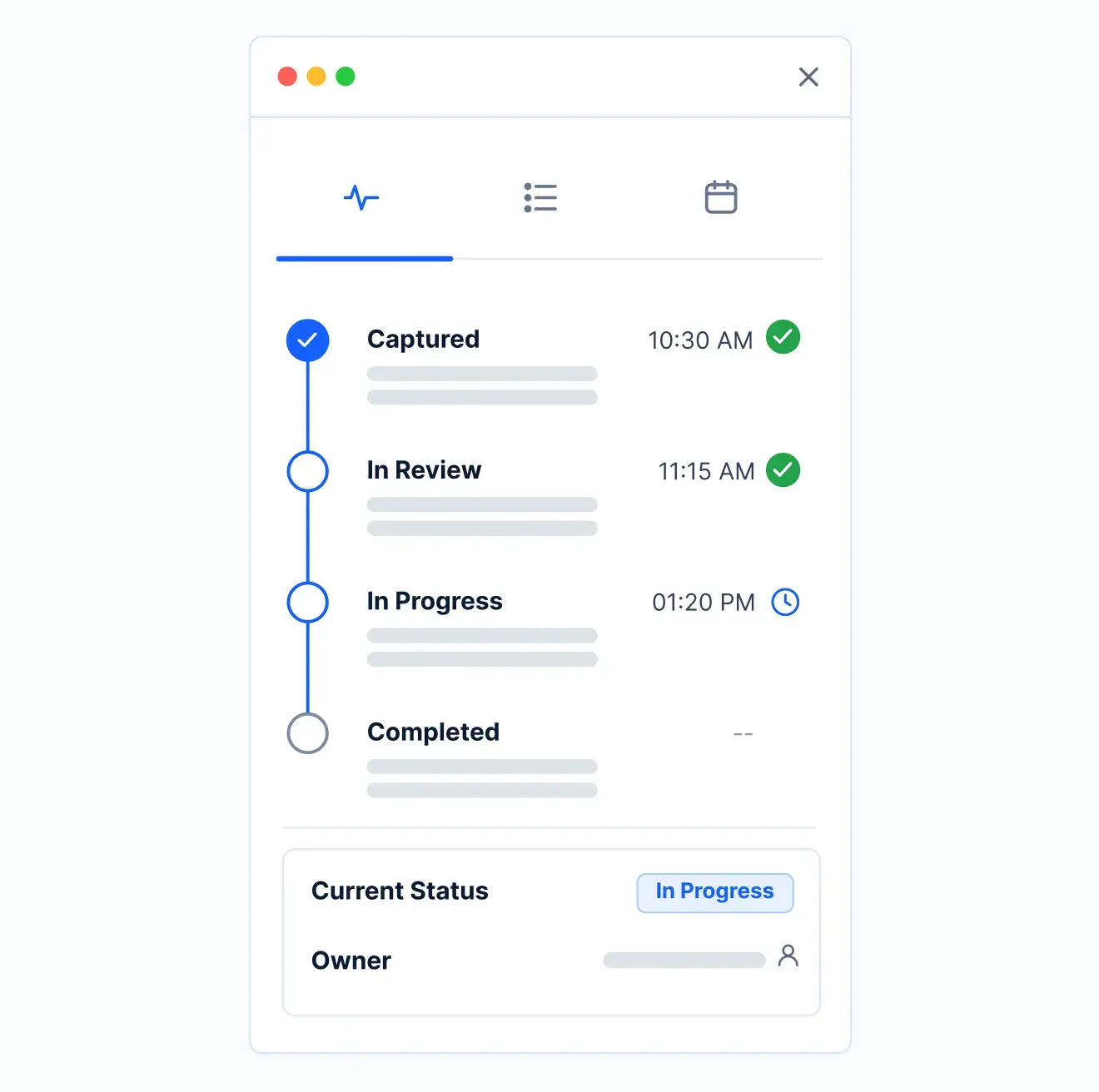
Each delivery is tracked against the plan, with an exception flagged the moment it falls behind.
Report
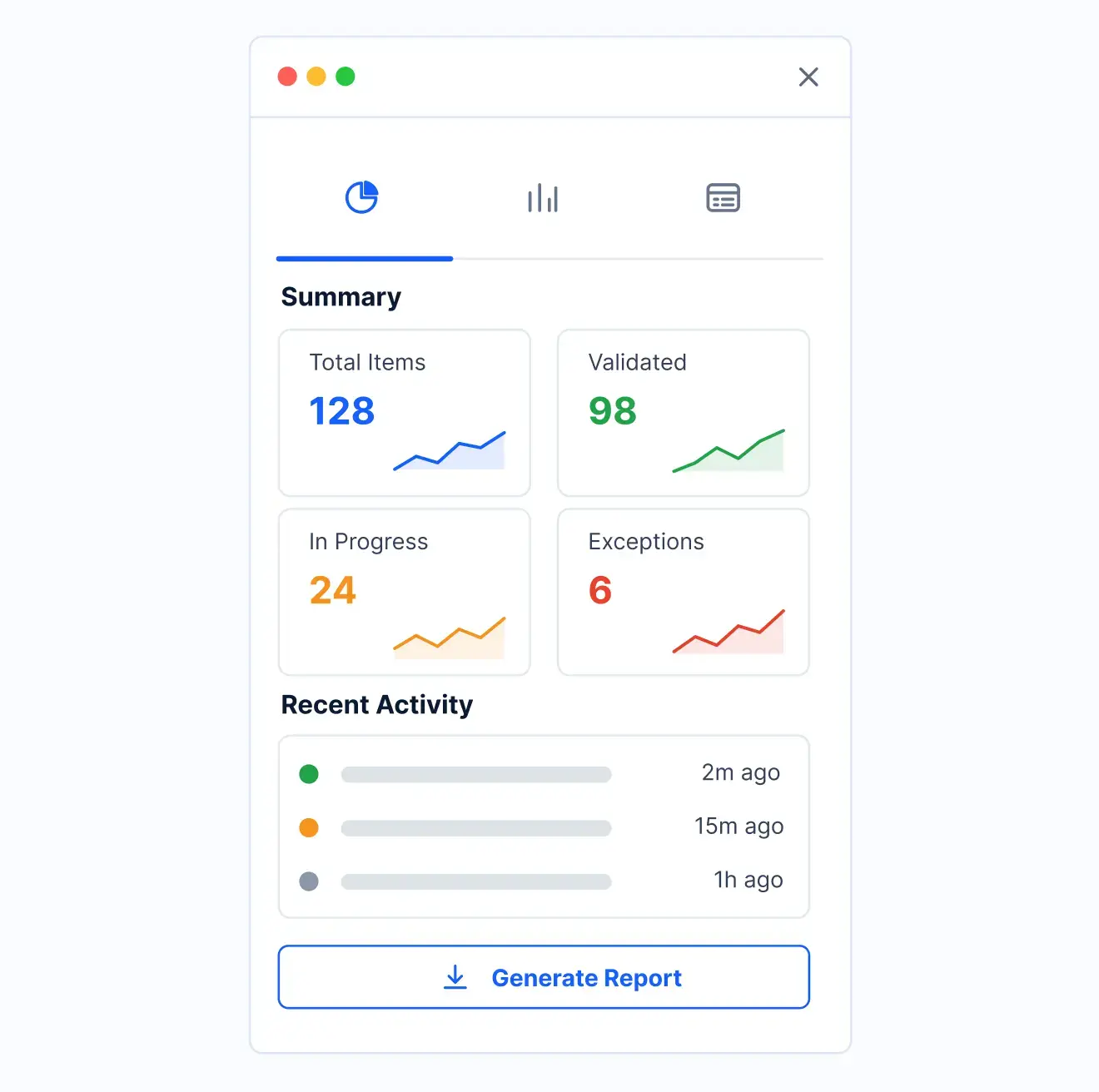
Inventory position is reconciled and fed back into the next forecast cycle, so the forecast and inventory record stay the live system of record for distribution.
What changes when fuel distribution planning runs on Kissflow
| Process | Before Kissflow | On Kissflow |
|---|---|---|
| Demand forecasting | Built once a month from stale data | Kept current by terminal for ongoing planning |
| Dispatch scheduling | Re-entered into a separate scheduling tool | Built directly from the current forecast |
| Delivery exceptions | Caught when a terminal calls in low | Flagged automatically the moment a delivery falls behind |
| Carrier assignment | Tracked in a separate system disconnected from the plan | Tied directly to each planned delivery |
| Inventory reconciliation | A manual check disconnected from forecasting | Feeds automatically into the next forecast cycle |
| Network visibility | Assembled manually across terminals | Rolled up on one distribution dashboard |
Connects alongside your TMS and carrier dispatch systems
A TMS or your carrier's dispatch system stays the system of record for physical movement. Kissflow runs the forecast, plan, and exception workflow feeding it.


Built to catch a stockout risk before the tank runs dry
Forecasts that stay current
Demand data by terminal updates continuously instead of going stale between planning cycles.
Delivery exceptions flagged early
A delivery falling behind plan is caught automatically, not when a terminal calls in low.
Plan flows straight into dispatch
A forecast turns directly into a scheduled dispatch, without re-entry into another tool.
Live in weeks
Forecast inputs and terminal structure configure in the visual builder, without a systems project.
Inventory feeds the next forecast
Reconciled inventory position rolls automatically into the next planning cycle.
Access controlled by terminal and region
Role-based access scopes visibility and planning authority by territory.
Related apps
ETRM App
Tracks the commodity trading position behind the volumes this app plans to distribute.
Tank Inventory & Compliance App
Feeds the terminal inventory position this app reconciles against its distribution plan.
Refinery Quality Control App
Releases the product this app schedules for distribution once it clears quality checks.
We help distribution teams catch a stockout risk while there's still time to act


“If a company cannot enable everybody to use AI, they will never get the true benefit of AI. Platforms like Kissflow allow us to put that capability in the hands of our users in a safe way.”
Vagesh Dave
GVP & CIO at McDermott International, Ltd
See The Full Story

“Advanced automation of all processes is easy to set up. I cannot imagine how to manage workflows without this software.”
Tanay Tiwary
Global Head - Digitalization & Business Improvement
See the Full Story

“Kissflow supports rapid application development by building a working application prototype in the shortest amount of time.”
Maria Theresa Cabigon
CIO, SN Aboitiz Power Group
See The Full Story
See what Kissflow can do for you
Talk to usGot questions? We're here to help.
Get SupportNo. A TMS or your carrier's own dispatch system stays the system of record for the physical movement of a shipment. Kissflow runs the demand forecast, distribution planning, and delivery exception workflow that decides what should move where.
A spreadsheet holds last month's numbers until someone rebuilds it. This app keeps demand data current by terminal or station and turns a plan directly into a scheduled dispatch, rather than a plan that needs re-entry into a separate scheduling tool.
A missed or delayed delivery against the distribution plan is flagged automatically and routed for resolution, rather than surfacing only when a terminal calls in low.
Yes. Forecasting and distribution planning are configurable per terminal or region, rolled up into one network-wide view.
Configurable by role, typically a distribution or logistics manager reviews and approves the plan before dispatch scheduling is finalized.
This app plans and schedules distribution against demand and carrier assignment; dedicated route-optimization software can be integrated for the routing calculation itself.
Forecast inputs, terminal structure, and exception rules configure in the visual builder, without an engineering project.
Kissflow is certified to SOC 1, SOC 2, SOC 3, and ISO/IEC 27001, with role-based access by terminal and region.