Emergency Response App
Kissflow runs emergency declaration, muster and persons-on-board accounting, resource mobilization and notification, and the stand-down and after-action review that follows, so a gas release or a medical emergency moves through a coordinated response with a complete record, not a radio channel nobody transcribed.

Trusted by energy operators worldwide






When a gas release alarm sounds, the muster count only gets one chance to be right
An emergency response runs on radios, a muster board, and whoever's holding the headcount clipboard. That works until the clipboard doesn't match who's actually on site, or the emergency response team doesn't know who's already been notified and who hasn't. A radio channel can coordinate a response in the moment. It leaves nothing behind to review afterward, and nothing that reconciles who was accounted for against who should have been.
Kissflow runs emergency response as a governed app: declaration that starts the workflow and notification chain the moment an incident is called, muster point check-in that reconciles who's confirmed safe against the site's expected persons-on-board count, resource mobilization and notification to internal responders and mutual aid partners, and a stand-down and after-action review that closes the event with a documented timeline and corrective actions. Detection and alarm systems stay in the OT and control layer; Kissflow runs the coordinated human response once an emergency is declared.
HSE and emergency response leads configure emergency types, muster points, and notification chains in the visual builder. Every declaration, check-in, and stand-down carries a timestamp, so the after-action review starts from a complete record instead of everyone's memory of the radio traffic.
What a radio channel and a clipboard miss during a live emergency
Muster counts don't reconcile automatically
A clipboard headcount can miss someone without a system checking it against the expected persons-on-board count.
Notification depends on who remembers to call
Whether mutual aid or a specific responder gets notified depends on someone remembering under pressure.
No timeline survives the event
Radio traffic during an emergency isn't captured, so reconstructing the timeline afterward relies on memory.
After-action reviews happen inconsistently
Without a structured close-out, corrective actions from one emergency don't reliably reach the next one.
Six modules. Built so the muster count is right the first time.
Every module ships with default forms, routing, and dashboards. Configure each one to your emergency response plan in the visual builder.
Emergency declaration
Starts the response workflow and notification chain the moment an emergency is declared, by type and site.
Muster and persons-on-board accounting
Reconciles muster point check-ins against the site's expected persons-on-board count in real time.
Resource mobilization
Coordinates internal responders and mutual aid partners as part of the declared response.
Notification and regulatory reporting
Sends notifications through the configured chain, including any required regulatory notification.
Stand-down
Closes the active response phase with a documented all-clear and stand-down time.
After-action review
Captures the response timeline and corrective actions before the event is closed.
From request to system of record in four steps
Report
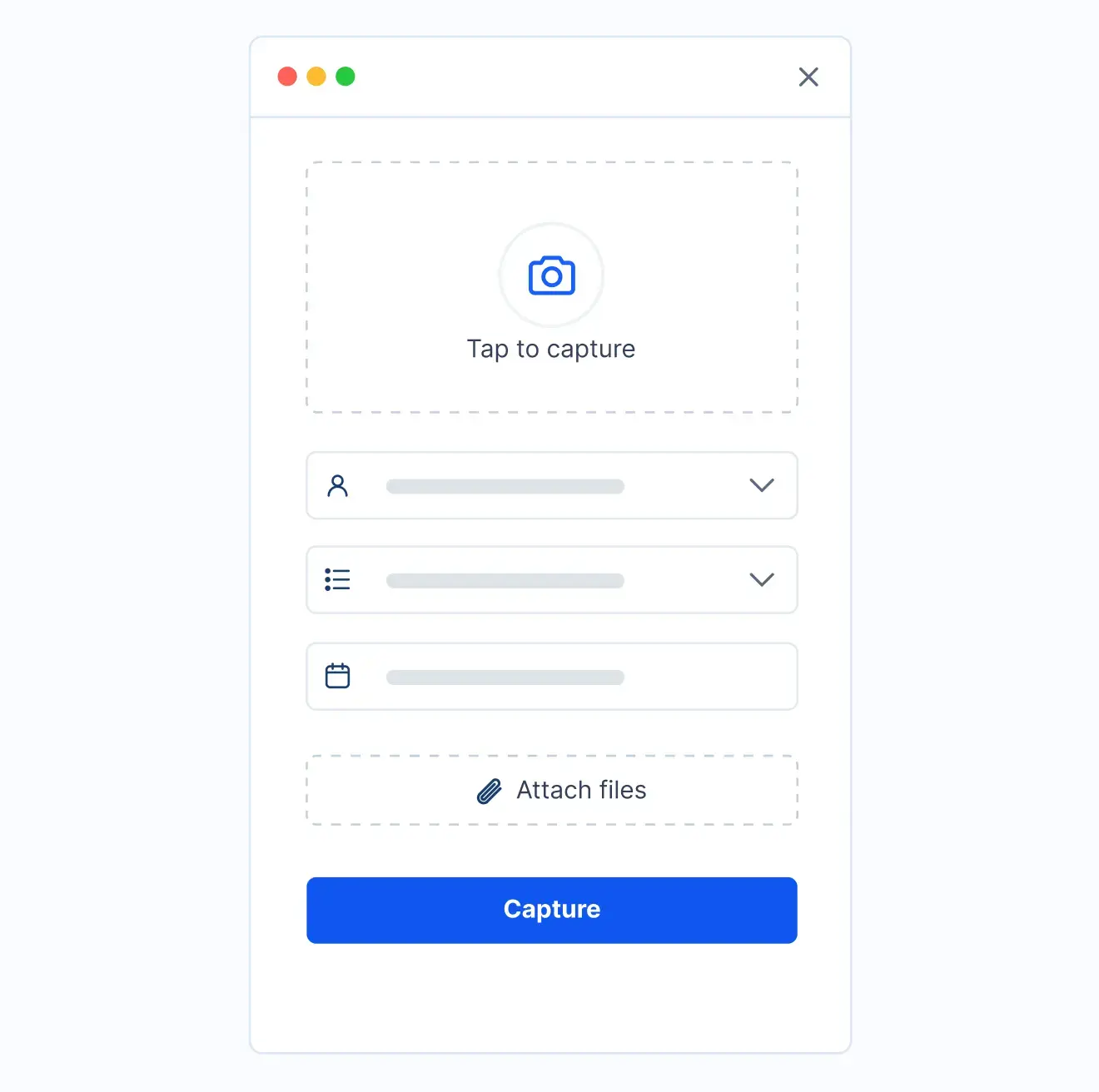
An emergency is declared by type and site, starting the response workflow and notification chain.
Assess
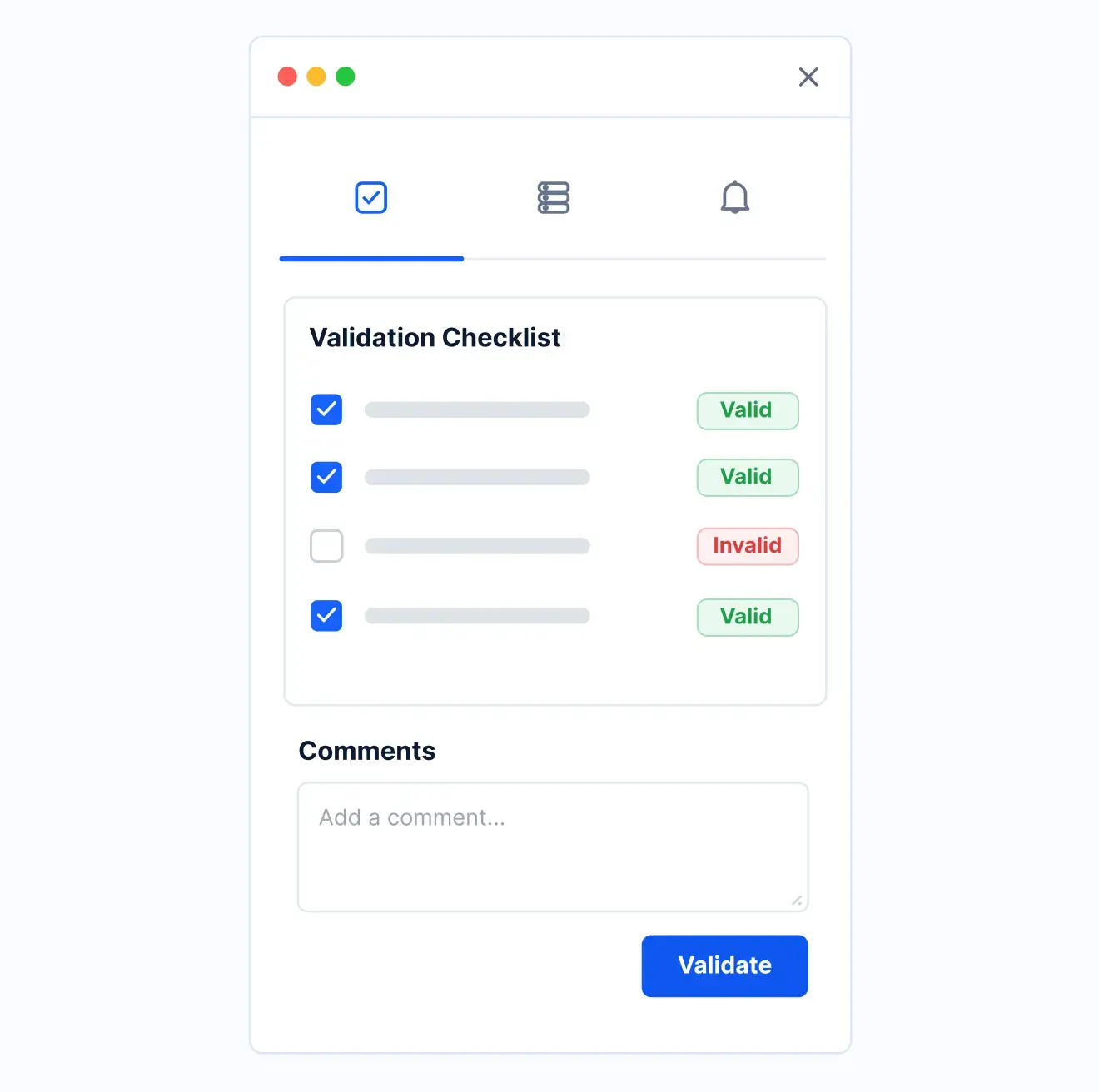
Muster check-ins reconcile against expected persons-on-board while resources are mobilized.
Resolve
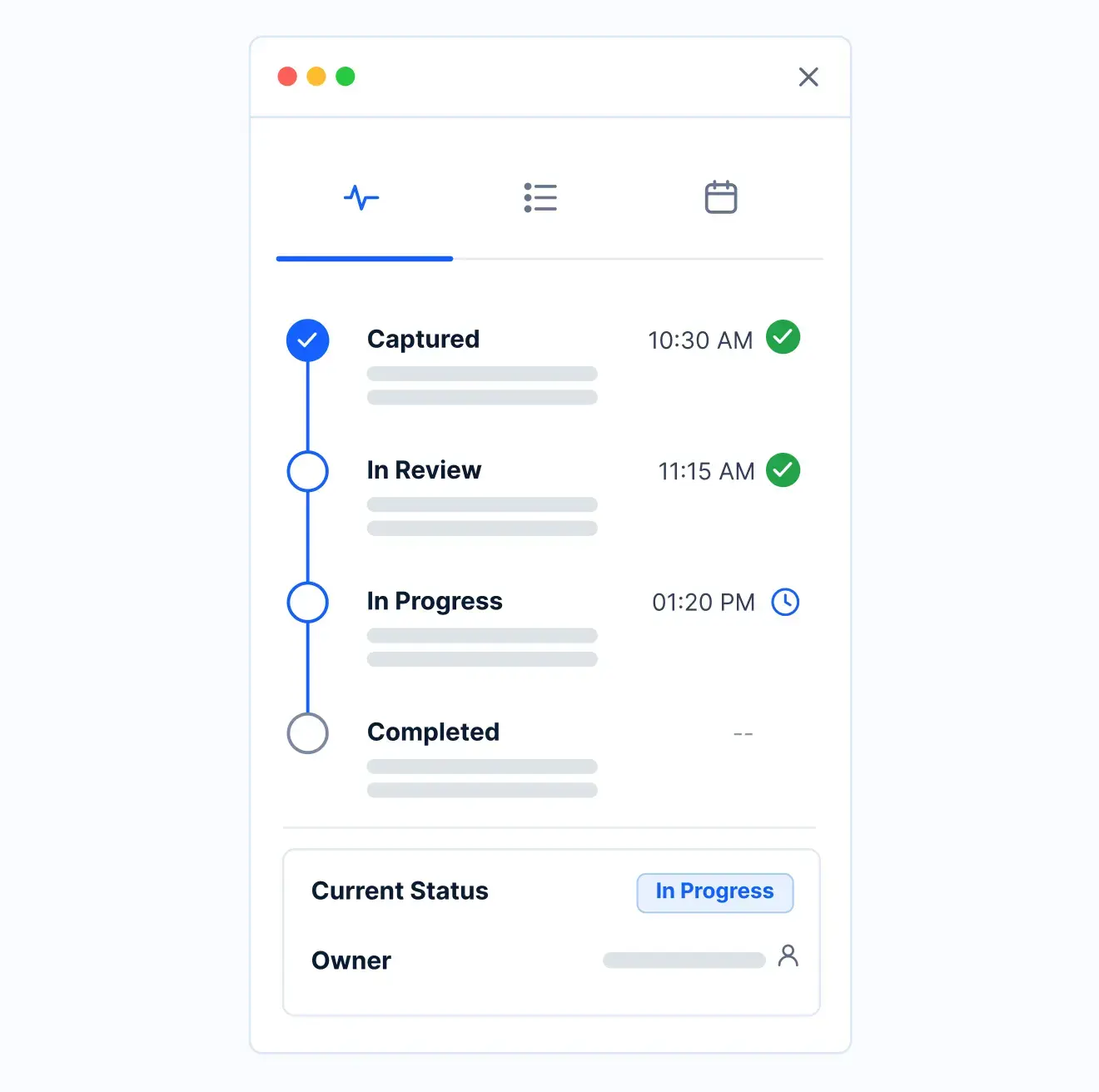
Notifications reach internal responders, mutual aid, and regulators as configured for the emergency type, and the response runs.
Record
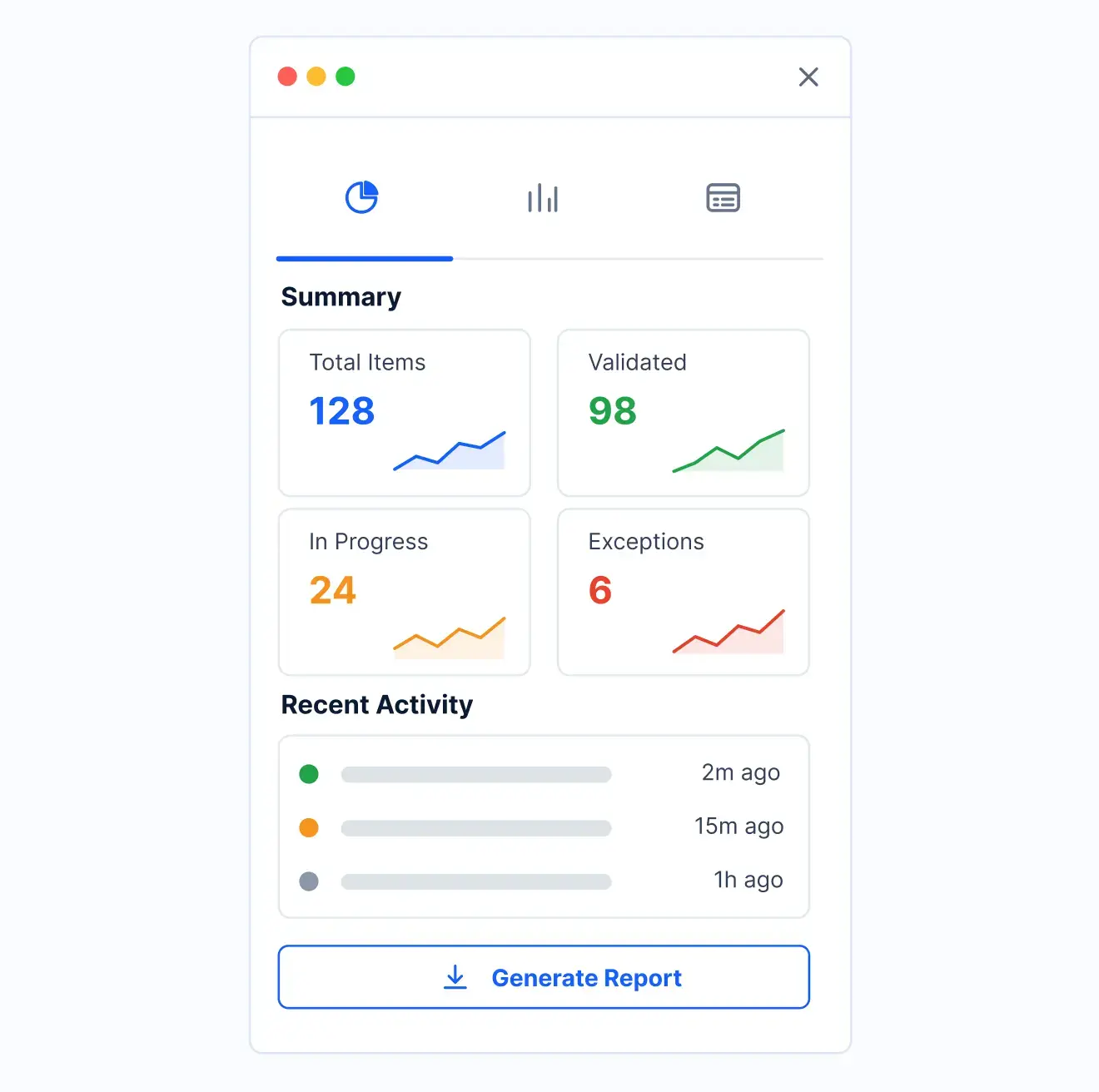
The event is stood down and closed with a documented after-action review retained.
What changes when emergency response runs on Kissflow
| Process | Before Kissflow | On Kissflow |
|---|---|---|
| Declaration | A radio call, informally understood | A logged declaration that starts the workflow |
| Muster accounting | A clipboard headcount, manually checked | Reconciled automatically against expected persons-on-board |
| Notification | Depends on who remembers to call whom | Sent through a configured chain automatically |
| Response timeline | Reconstructed from memory afterward | Captured with timestamps as the event unfolds |
| Stand-down | Called informally, undocumented | Logged with a documented all-clear |
| After-action review | Inconsistent, sometimes skipped | A structured step before the event closes |
Sits above your detection and alarm systems, which stay in the OT and control layer
Gas detection, fire alarm, and SCADA systems stay in the OT and control layer. Kissflow runs the coordinated response once an emergency is declared.
.svg)



.svg)
.svg)
.svg)
.svg)

.svg)
.svg)
.svg)
.svg)
.svg)

.svg)

.svg)

.svg)
.svg)
.svg)
.svg)
.svg)
.svg)
.svg)
.svg)
.svg)

.svg)
Built so the muster count is right the first time
Muster reconciled against expected count
Check-ins are checked automatically against who should be on site, flagging anyone unaccounted for.
Notification that doesn't depend on memory
A configured chain notifies responders and mutual aid automatically on declaration.
A timeline that survives the event
Every declaration, check-in, and stand-down is timestamped for the after-action review.
Live in weeks
Emergency types and muster points configure in the visual builder, without a systems project.
OT boundary stated explicitly
Kissflow runs the business-process response layer, segmented from detection and control systems.
Access controlled during a live event
Role-based access ensures the right responders see live incident data when it matters.
Related apps
Security Breach Escalation Tracker
The physical-security-specific escalation counterpart to this app's broader HSE emergency scope.
Safety Management App for Oil & Gas Industry
A program-level safety register that rolls incidents, permits, inspections, training, and corrective actions into one dashboard across the whole HSE function.
Environmental Monitoring App
Feeds environmental exceedance data that can trigger an emergency declaration.
We help emergency response teams get the muster count right the first time
.gif)

“If a company cannot enable everybody to use AI, they will never get the true benefit of AI. Platforms like Kissflow allow us to put that capability in the hands of our users in a safe way.”
Vagesh Dave
GVP & CIO at McDermott International, Ltd
See The Full Story

“Advanced automation of all processes is easy to set up. I cannot imagine how to manage workflows without this software.”
Tanay Tiwary
Global Head - Digitalization & Business Improvement
See the Full Story

“Kissflow supports rapid application development by building a working application prototype in the shortest amount of time.”
Maria Theresa Cabigon
CIO, SN Aboitiz Power Group
See The Full Story
See what Kissflow can do for you
Talk to usGot questions? We're here to help.
Get SupportThat app is scoped to physical-security incidents specifically, an intrusion or breach. This app covers the full range of HSE emergencies, fire, gas release, medical, spill, with declaration, muster, resource mobilization, and stand-down, a broader and more time-critical scope.
No. Detection and alarm systems stay in the OT and control layer. Kissflow starts once an emergency is declared, running muster accounting, notification, resource mobilization, and after-action tracking around it.
A muster point check-in feature reconciles who's confirmed safe against the expected persons-on-board count for the site, flagging anyone unaccounted for in real time.
Configurable by role, typically any site supervisor or control room operator can declare, starting the response workflow and notification chain immediately.
The event moves into after-action review, capturing what happened, response timeline, and corrective actions before the case closes.
Yes. Notification rules can include external contacts and mutual aid partners as part of the escalation chain, configured per site and emergency type.
Emergency types, muster points, and notification chains configure in the visual builder, without an engineering project.
Kissflow is certified to SOC 1, SOC 2, SOC 3, and ISO/IEC 27001, with role-based access ensuring the right people see live incident data during an event.