When Two Systems Disagree About the Same Student Record, Something Has to Decide
A student's preferred name is updated in one system and not another, so the diploma reads one name and the class roster reads another, with no defined rule for which system wins. Kissflow maps field ownership, syncs on a schedule, and routes a conflict to a person only when the rule can't decide.

Trusted by leading universities worldwide





A defined rule for which system wins, before the mismatch reaches a document
Two campus systems sharing the same field will eventually disagree about it: a name updated in one place and not another, a status that syncs on a delay, a field two systems both consider theirs to own, and without a defined resolution rule, the mismatch surfaces wherever it happens to cause the most visible problem, a diploma, a class roster, a bill sent to the wrong balance. The disagreement itself isn't rare; what's missing is a standing answer for which system wins when two disagree, so each conflict gets resolved ad hoc by whoever notices it first, often after a student has already seen the wrong information. Kissflow starts by mapping which system is the source of truth for each shared field, syncs those fields on a defined schedule, applies a resolution rule automatically when systems disagree, and routes anything the rule genuinely can't resolve to a data steward instead of letting it linger unresolved across systems.
Without field-level ownership rules, mismatches surface wherever they're most visible
Field ownership is assumed, not documented
Nobody has written down which system is the source of truth for a shared field.
Sync is manual export and reload
Data moves between systems whenever someone remembers to run the process.
Conflicts are found when a document is wrong
A mismatch surfaces on a diploma or a bill, not at the point where it actually happened.
Resolution is whoever's asked decides
Without a rule, the person fielding the complaint just picks a value.
Built to run the whole process, not just record it
Every capability this app needs, in one place.
Field-level ownership mapping
Defines which connected system is the recognized source of truth for each individual shared data field.
Scheduled sync
Syncs every mapped field across the connected systems automatically, on a defined recurring schedule.
Conflict detection
Flags the moment two connected systems hold a genuinely different value for the exact same shared field.
Conflict resolution rules
Applies a defined resolution rule automatically: source-of-truth wins, most-recent wins, or route to a person.
Unresolved conflict queue
Routes anything the resolution rules genuinely can't resolve on their own to a formally named data steward.
Sync and conflict log
Records every sync run and every conflict that occurred, whether it was resolved or left unresolved.
From request to system of record in four steps
Capture
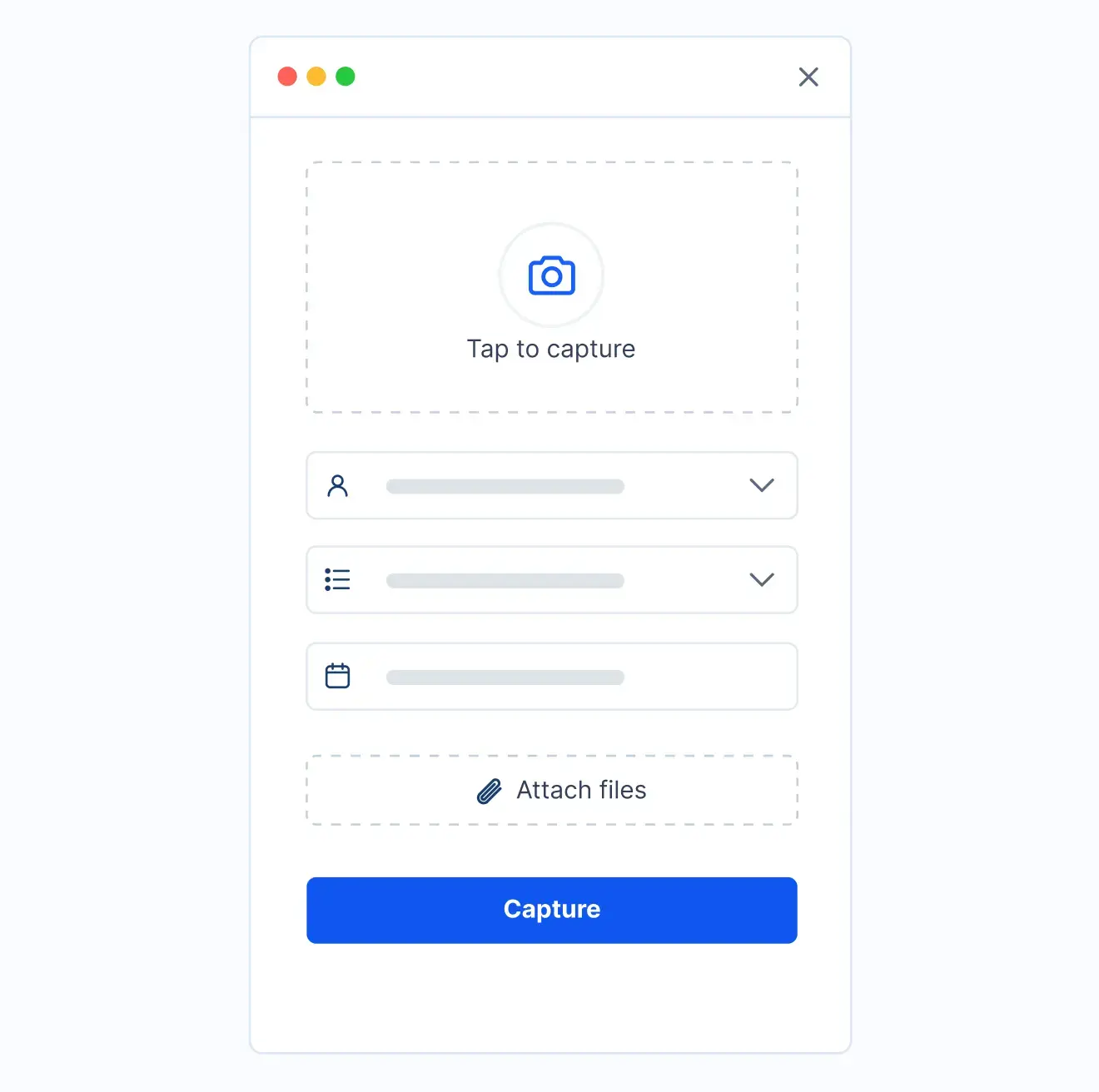
Shared fields are mapped to a source of truth, and the sync captures their values across every connected system on a defined schedule.
Validate
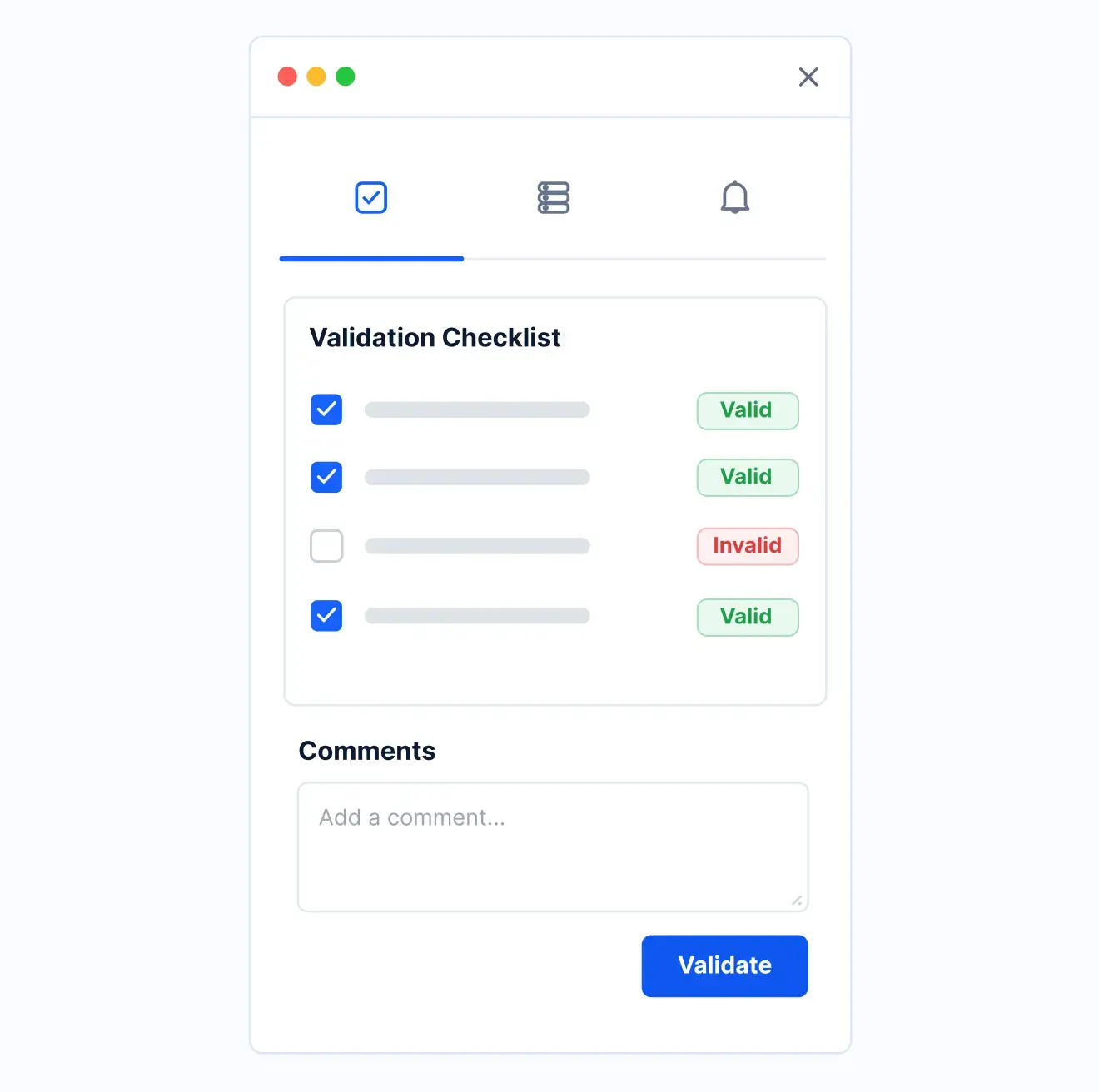
Each value is checked against the field's designated owner, so the system that should win a given field is the one that does.
Track
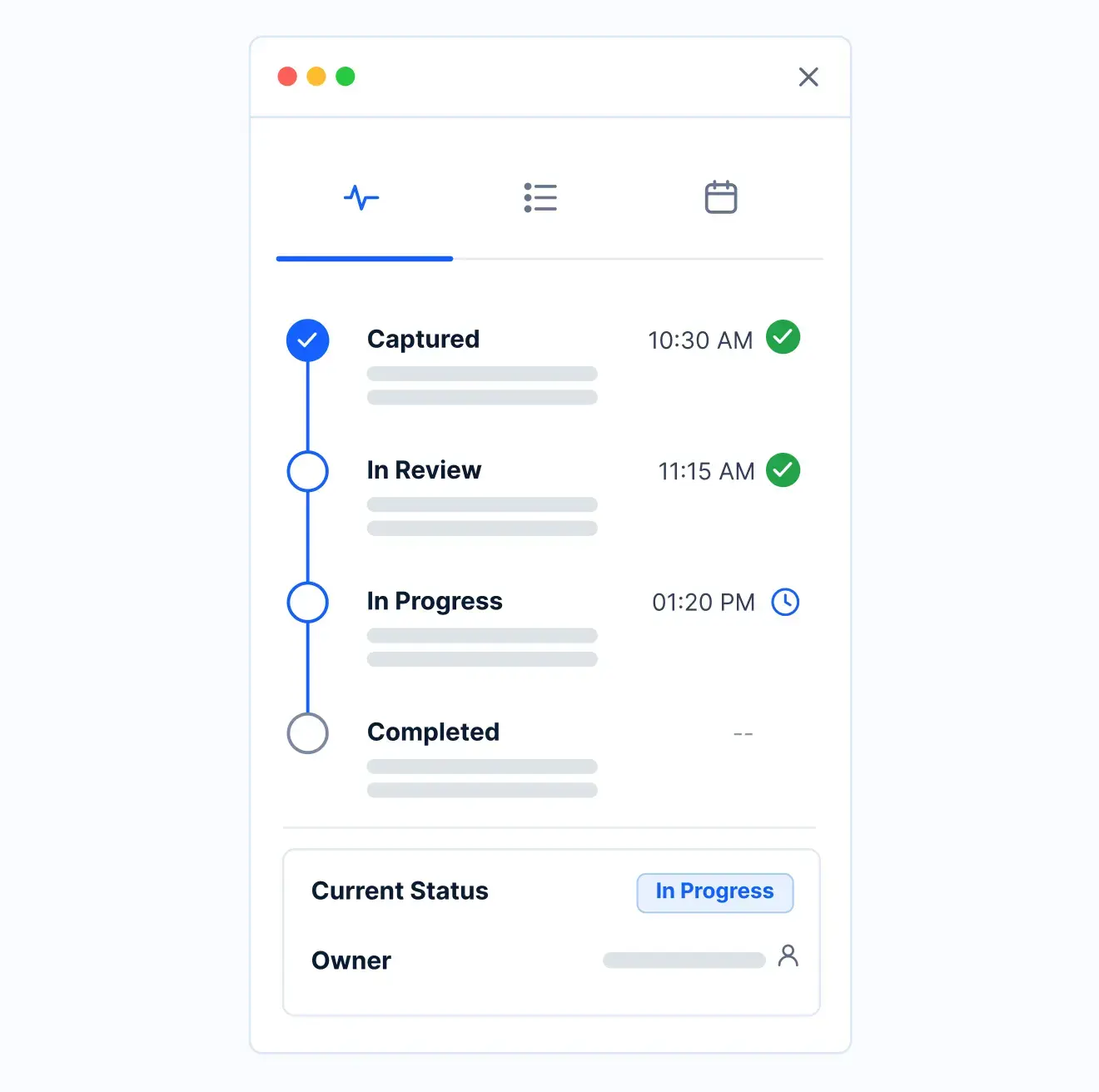
A mismatch is flagged and resolved automatically by rule, or routed to a data steward only when the rule cannot decide.
Report
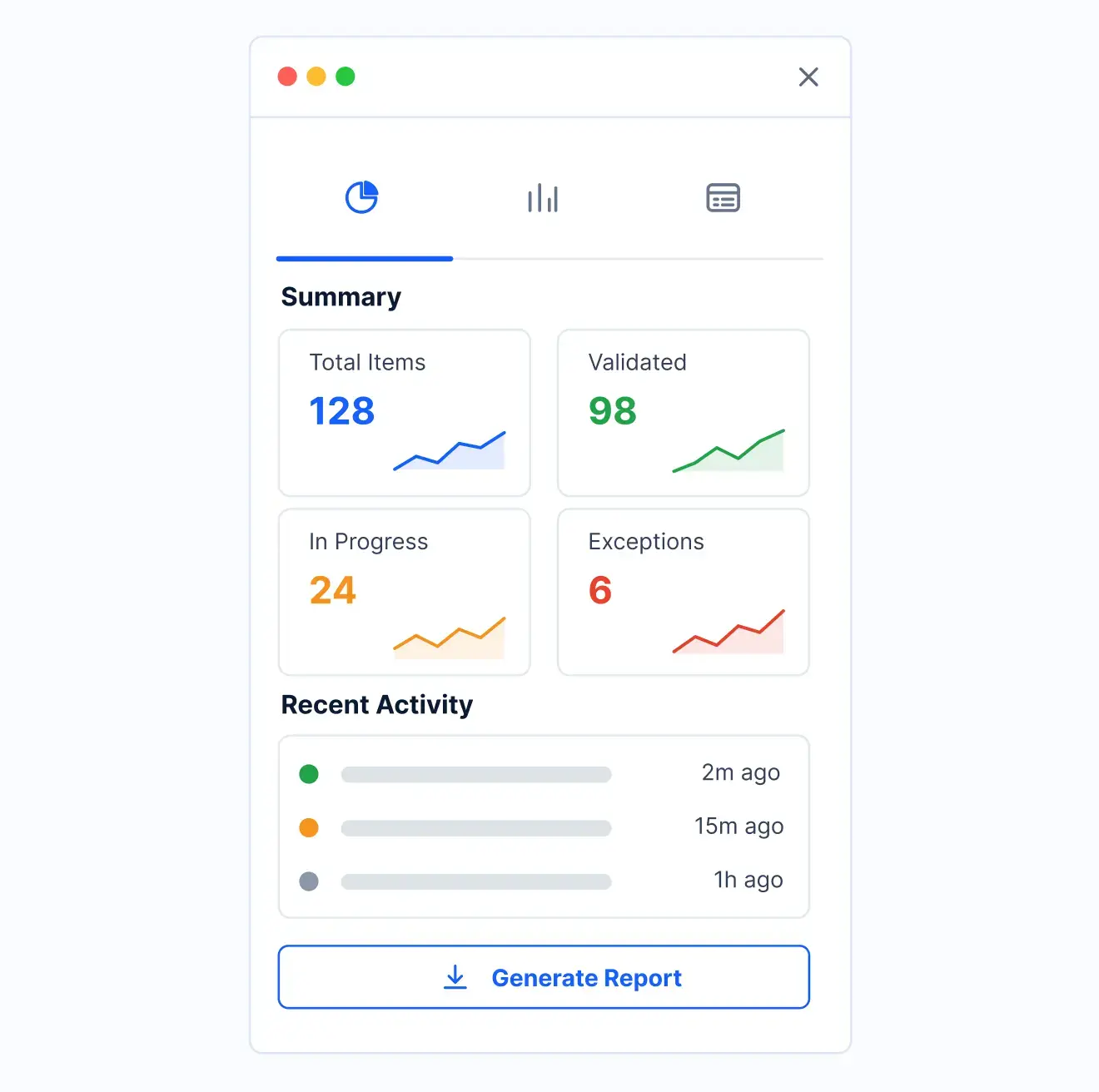
The shared log is itself the record of every sync run and every conflict, resolved or not, so the state of cross-system agreement is always on file.
What changes when this runs on Kissflow
| Process | Before Kissflow | On Kissflow |
|---|---|---|
| Field ownership | Assumed, not documented | Explicitly mapped, system by system |
| Sync | Manual export and reload | Scheduled and automatic |
| Conflicts | Found when a document is wrong | Detected at sync time |
| Resolution | Whoever's asked decides | Resolved by a defined rule, or routed to a steward |
| Unresolved conflicts | Linger indefinitely | Held in a visible queue until someone decides |
| History | No record of what synced or when | A full sync and conflict log |
Maps and syncs across whatever set of campus systems you connect
.svg)



.svg)
.svg)
.svg)
.svg)

.svg)
.svg)
.svg)
.svg)
.svg)

.svg)

.svg)

.svg)
.svg)
.svg)
.svg)
.svg)
.svg)
.svg)
.svg)
.svg)

.svg)
Built to resolve conflicts by rule, not by whoever's asked
Field ownership mapped, not assumed
Every shared field has a documented source of truth.
Conflicts caught at sync time
A mismatch is flagged before it reaches a document.
Resolution by rule, not by whoever's asked
The same conflict resolves the same way every time.
A visible queue for what genuinely needs a person
Only real judgment calls reach a data steward.
A full log of every sync and conflict
Answer a data-mismatch question without reconstructing it manually.
Configured, not a data warehouse project
Mapping and sync rules are set in the visual builder.
Related apps
Unified Workflow Platform Bridging SIS/LMS/ERP
A workflow bridge that propagates one student status change across the SIS, LMS, and ERP instead of three separate manual updates.
Prebuilt Connectors for ERP/LMS/CRM Integration
A request-to-activate catalog of prebuilt ERP, LMS, and CRM connectors, with health monitoring once they're live.
Enterprise Workflow Integration Hub
Where a not-yet-connected system gets its integration built before it can be included in field mapping.
We help IT decide which system wins when two disagree, before it reaches a diploma
.gif)

“If a company cannot enable everybody to use AI, they will never get the true benefit of AI. Platforms like Kissflow allow us to put that capability in the hands of our users in a safe way.”
Vagesh Dave
GVP & CIO at McDermott International, Ltd
See The Full Story

“Advanced automation of all processes is easy to set up. I cannot imagine how to manage workflows without this software.”
Tanay Tiwary
Global Head - Digitalization & Business Improvement
See the Full Story

“Kissflow supports rapid application development by building a working application prototype in the shortest amount of time.”
Maria Theresa Cabigon
CIO, SN Aboitiz Power Group
See The Full Story
See what Kissflow can do for you
Talk to usGot questions? We're here to help.
Get SupportThat app propagates a specific status-change event across three named systems. This one handles ongoing field-level data mapping, sync, and conflict resolution across whatever set of systems you connect, at the data layer rather than the event layer.
Your data governance policy decides; Kissflow enforces the mapping consistently once it's defined.
The conflict routes to a data steward with both values and their source shown, rather than defaulting silently.
It syncs data between systems on your defined schedule; each system remains its own system of record.
Yes. Process owners configure the intake, rules, and approval routing in the visual builder, and the AI Builder can generate a working app from a plain-language description.
Through APIs and integration connectors, under single sign-on and role-based access, with every action written to an audit log.
Configuration and AI generation move delivery from weeks to days, without a multi-year platform program or an engineering backlog.
Kissflow is certified to SOC 1, SOC 2, SOC 3, ISO/IEC 27001, HIPAA, GDPR, and CCPA, hosted on Google Cloud with data residency in the US, EU, APAC, and Oceania.