Class Scheduling and Room Assignment Coordination Built to Catch a Conflict Before the First Day of Term
Department course requests, room inventory, and facilities sign-off move through one coordinated process, so a double-booked room shows up as a conflict during the term build, not as two instructors and their students at the same door on the first day of class.

Trusted by leading universities worldwide






Two sections, one room, one first day of term
A room booked for two different sections at the same hour is not a scheduling error anyone catches until the first day of term, when both instructors and their students show up to the same door. Departments submit scheduling requests on their own timeline, facilities manages room inventory separately, and the two rarely reconcile until registration is open and students have built a semester around a slot that turns out not to exist.
Class Scheduling & Room Assignment Coordination checks a room and time request against existing bookings the moment it's submitted, not after the term build is finished, and routes a conflict for resolution before the schedule publishes. A request needing a specialized space, a lab, a lecture hall with fixed seating, routes to facilities for sign-off automatically instead of waiting on someone to remember to check.
Departments, the registrar, and facilities work from the same room inventory record instead of three separate lists, and a late change after publication updates that record and notifies the instructor and every enrolled student, so a swapped room is not something a student discovers at the wrong door.
What breaks when class scheduling and room booking run separately
Conflicts surface after publication
A double-booked room isn't caught until students are already trying to register into it.
Room inventory lives outside the scheduling process
Facilities manages capacity and equipment separately from what departments actually request.
Late changes don't reach everyone
A room swap made after the schedule publishes doesn't reliably reach the instructor or the students already registered.
No visibility into utilization
Nobody can see which rooms sit empty at peak hours versus which ones are consistently overbooked.
Six modules. Built to catch a room conflict during scheduling, not on move-in day.
Every module ships with default forms, routing, and dashboards. Configure each one to match your scheduling process.
Section scheduling request
A department submits a section's meeting time and room requirements as part of the term's build, tagged to the course.
Conflict detection at submission
A requested time and room is checked against existing bookings the moment it's submitted, not after the fact.
Room inventory register
Every room's capacity, equipment, and availability lives in one register facilities and the registrar both work from.
Facilities sign-off routing
A request that needs facilities approval, a lab, a specialized space, routes automatically before it locks in.
Late change and swap tracking
A room or time change after publication updates the record and notifies the instructor and enrolled students.
Utilization and conflict reporting
Room usage by time block and building surfaces which spaces are overbooked and which sit empty for the next term.
From request to system of record in four steps
Plan
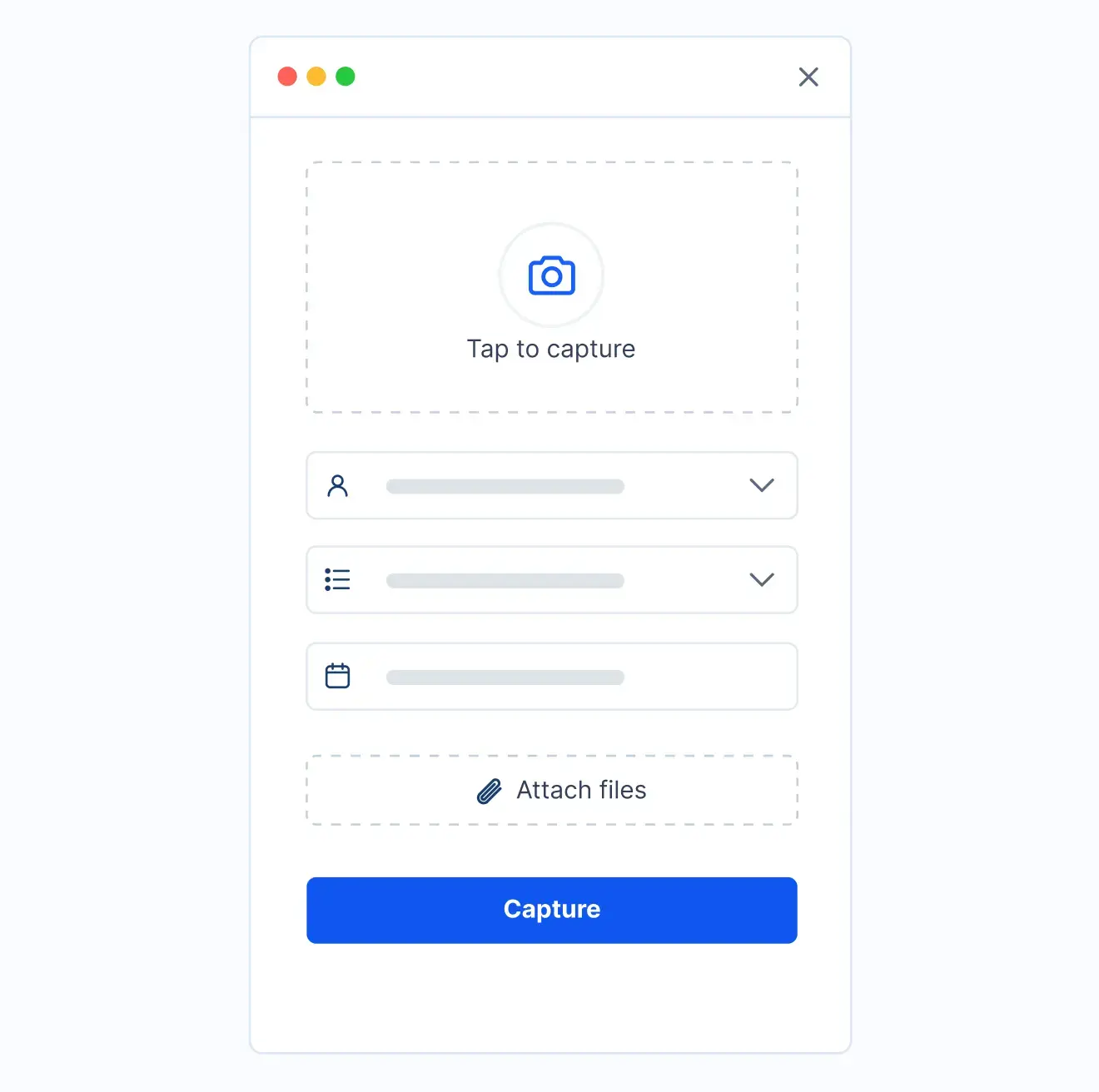
A section's meeting time, room requirements, and any special needs are submitted as part of the term build.
Assign
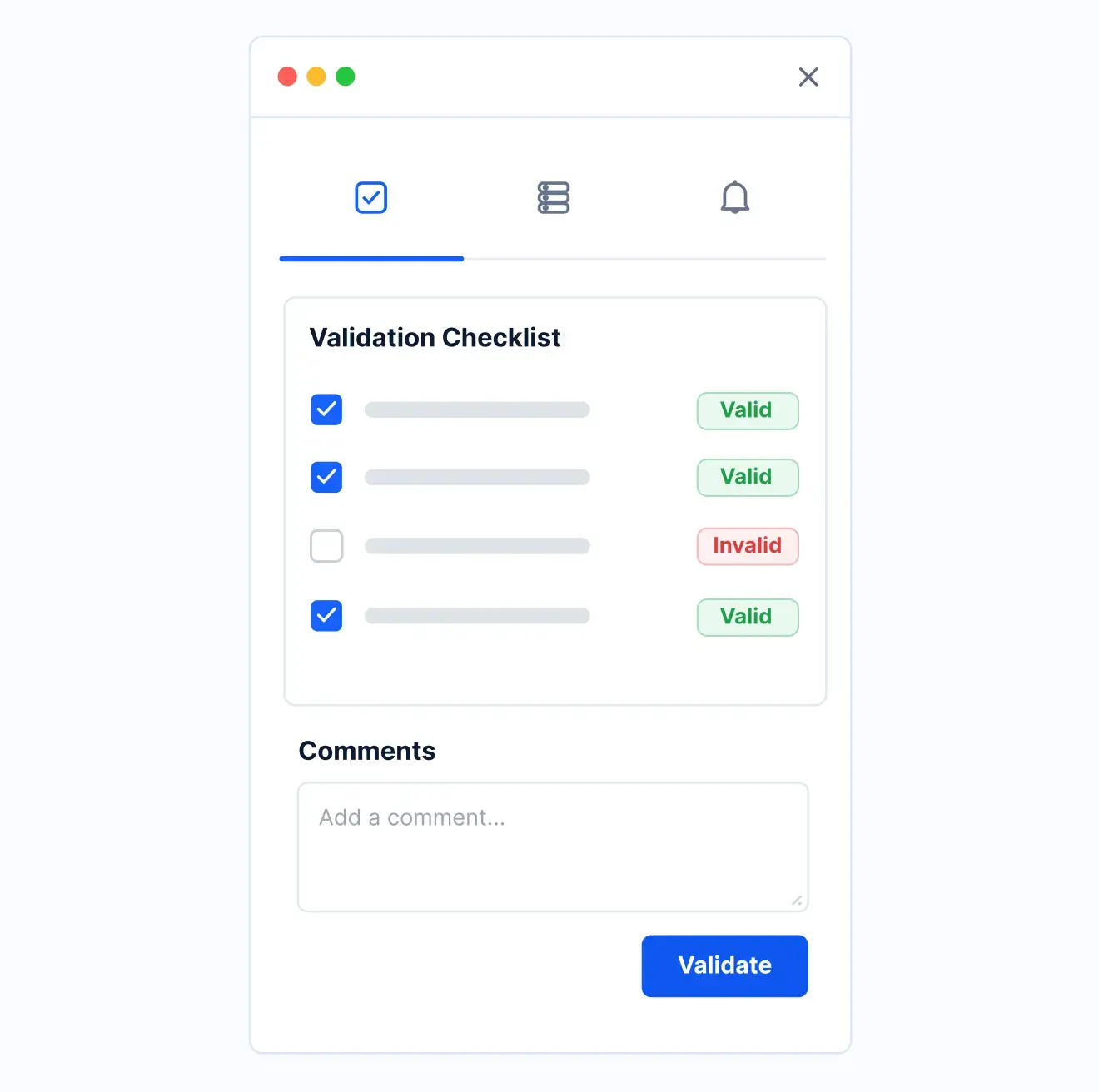
Rooms are assigned to sections, and a request needing a specialized space routes to facilities to own the sign-off.
Execute
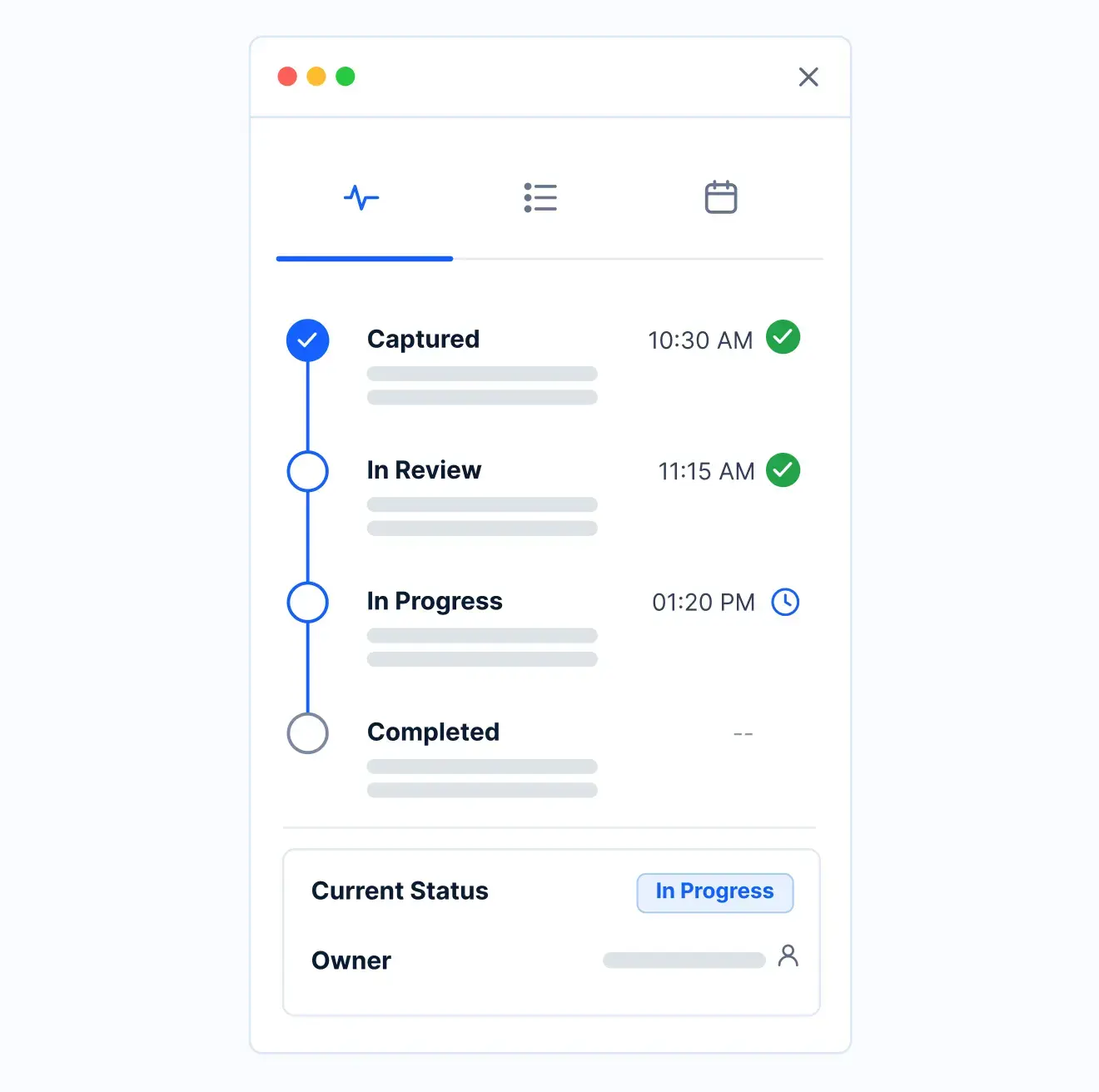
Each request is checked against existing room bookings the moment it is submitted, so a double-booked room shows up as a conflict during the build, not on the first day of class.
Close-out
The schedule publishes, and any later swap stays reflected in the same room inventory record, with utilization reportable.
What changes when class scheduling runs on Kissflow
| Process | Before Kissflow | On Kissflow |
|---|---|---|
| Conflict detection | Found after the schedule publishes | Caught the moment a request is submitted |
| Room inventory | Managed separately by facilities | One register the registrar and facilities both use |
| Specialized space approval | An email to facilities, sometimes missed | Routed automatically before the request locks |
| Late changes | Announced informally, if at all | Tracked and pushed to instructor and enrolled students |
| Utilization visibility | Not tracked | Live reporting by room, building, and time block |
| Cross-office coordination | Registrar and facilities on separate timelines | One shared scheduling and room record |
Connects to your SIS; Banner, Workday, or Ellucian stays the system of record
Kissflow does not replace the section and room data your SIS already holds. It is where a scheduling request gets checked for conflicts and routed for facilities sign-off before that section publishes.
.svg)



.svg)
.svg)
.svg)
.svg)

.svg)
.svg)
.svg)
.svg)
.svg)

.svg)

.svg)

.svg)
.svg)
.svg)
.svg)
.svg)
.svg)
.svg)
.svg)
.svg)

.svg)
Built to catch the conflict before students register into it
Live in weeks
Room inventory, conflict rules, and facilities routing are configured in the visual builder, and the AI Builder can generate a starting workflow from a description of your scheduling process.
Conflicts caught at submission
A double-booking surfaces the moment a request is made, not after publication.
One room inventory, not two
The registrar and facilities work from the same capacity, equipment, and availability record.
Late changes that actually reach people
A room or time swap after publication notifies the instructor and enrolled students automatically.
Role-based access
Departments see their own requests; facilities and the registrar see the full room and conflict picture.
Utilization visibility that didn't exist before
Which rooms sit empty at peak hours and which are overbooked becomes a report, not a guess.
Related apps
Inter-Department Academic Coordination Management System
For a joint degree or cross-listed course spanning departments; see the FAQ for how scheduling fits in.
Faculty Scheduling & Workload Balancing Management System
Where an instructor's total teaching load, not just a single section's room and time, gets tracked.
Course Offering & Adjunct Hiring Management System
Feeds sections into the schedule once a course offering and its instructor are confirmed.
We help registrar's offices catch a room conflict during scheduling, not on the first day of term.
.gif)

“If a company cannot enable everybody to use AI, they will never get the true benefit of AI. Platforms like Kissflow allow us to put that capability in the hands of our users in a safe way.”
Vagesh Dave
GVP & CIO at McDermott International, Ltd
See The Full Story

“Advanced automation of all processes is easy to set up. I cannot imagine how to manage workflows without this software.”
Tanay Tiwary
Global Head - Digitalization & Business Improvement
See the Full Story

“Kissflow supports rapid application development by building a working application prototype in the shortest amount of time.”
Maria Theresa Cabigon
CIO, SN Aboitiz Power Group
See The Full Story
See what Kissflow can do for you
Talk to usGot questions? We're here to help.
Get SupportNo. Banner, Workday, or Ellucian remains the system of record for the published section and room data. Kissflow is where the request gets checked for conflicts and routed for facilities sign-off before it publishes.
Inter-Department Academic Coordination handles broader academic initiatives that span colleges, a joint degree or a shared program review. This app is specific to the recurring, term-by-term work of scheduling sections and assigning rooms, checked for conflicts at submission.
A room and time request that overlaps an existing booking, exceeds the room's capacity, or needs equipment the requested space doesn't have.
The change updates the room inventory record and notifies the instructor and any already-enrolled students automatically.
Yes. Room inventory, conflict rules, and facilities routing are configured in the visual builder, and the AI Builder can generate a starting workflow from a description of your scheduling process.
Access is role-based. Departments see their own section requests; facilities and the registrar see the full room inventory and conflict picture.
Configuration and AI-assisted setup typically move initial rollout to weeks, not a multi-month systems project.
Kissflow is certified to SOC 1, SOC 2, SOC 3, and ISO/IEC 27001, supports HECVAT review, and is built to support FERPA and GLBA Safeguards obligations, with data residency options in the US, EU, APAC, and Oceania.