Battery Limit Interface Management Software for Capital Projects
Kissflow registers every tie-in point at a unit's battery limit, the flow, pressure, temperature, and elevation data two contractors or two packages have to agree on, and holds each interface open until both sides sign off, so a mismatch at the fence line surfaces in design review instead of at hydrotest.

Trusted by energy operators worldwide






Two contractors design either side of the same tie-in point, and each one trusts the other to get their half right.
A battery limit is the defined boundary where one package, one contractor's scope, or an entirely new unit ties into another, a pipe rack handoff, a new process unit tying into existing utilities, an EPC contractor's scope meeting a vendor package's scope. Each side of that boundary is designed separately, often by different teams working from different specifications, and the only thing holding the two halves together is a battery limit drawing that both sides are supposed to check against.
Kissflow registers every battery limit interface point on a project: what data the two sides need to agree on (line size, flow, pressure, temperature, elevation), which contractor or package owns each side, and a sign-off from both parties before the interface is considered closed. An interface that changes on one side after the other has already signed reopens automatically and flags the affected package.
A design review or a pre-hydrotest walkdown pulls one list of every interface point on the project and its status, open, agreed, or reopened, instead of an engineer manually cross-checking two contractors' drawing sets against each other.
Where battery limit interfaces get missed between two contractors
Each side checks its own half, not the boundary itself
A contractor confirms their own design is correct without a documented cross-check against the other side.
Interface data lives in emailed spreadsheets
Flow, pressure, and elevation figures get exchanged informally, with no single record of what was agreed.
A late design change on one side goes unnoticed by the other
A contractor revises their half after sign-off, and the other party finds out at hydrotest.
There's no single list of every open tie-in point
A pre-commissioning walkdown means manually cross-checking drawing sets from every contractor.
Three modules. Every battery limit interface registered, exchanged, and signed off by both sides.
Configure interface data fields and responsible parties to your project's package structure.
Interface point register
Every tie-in point, its data requirements, and the two parties responsible for it are logged in one place.
Two-party data exchange and sign-off
Each side confirms its design data against the interface, and the point closes only once both parties sign off.
Open interface dashboard
Every open, agreed, and reopened interface rolls up by package, so nothing is missed before hydrotest or tie-in.
From request to system of record in four steps
Submit
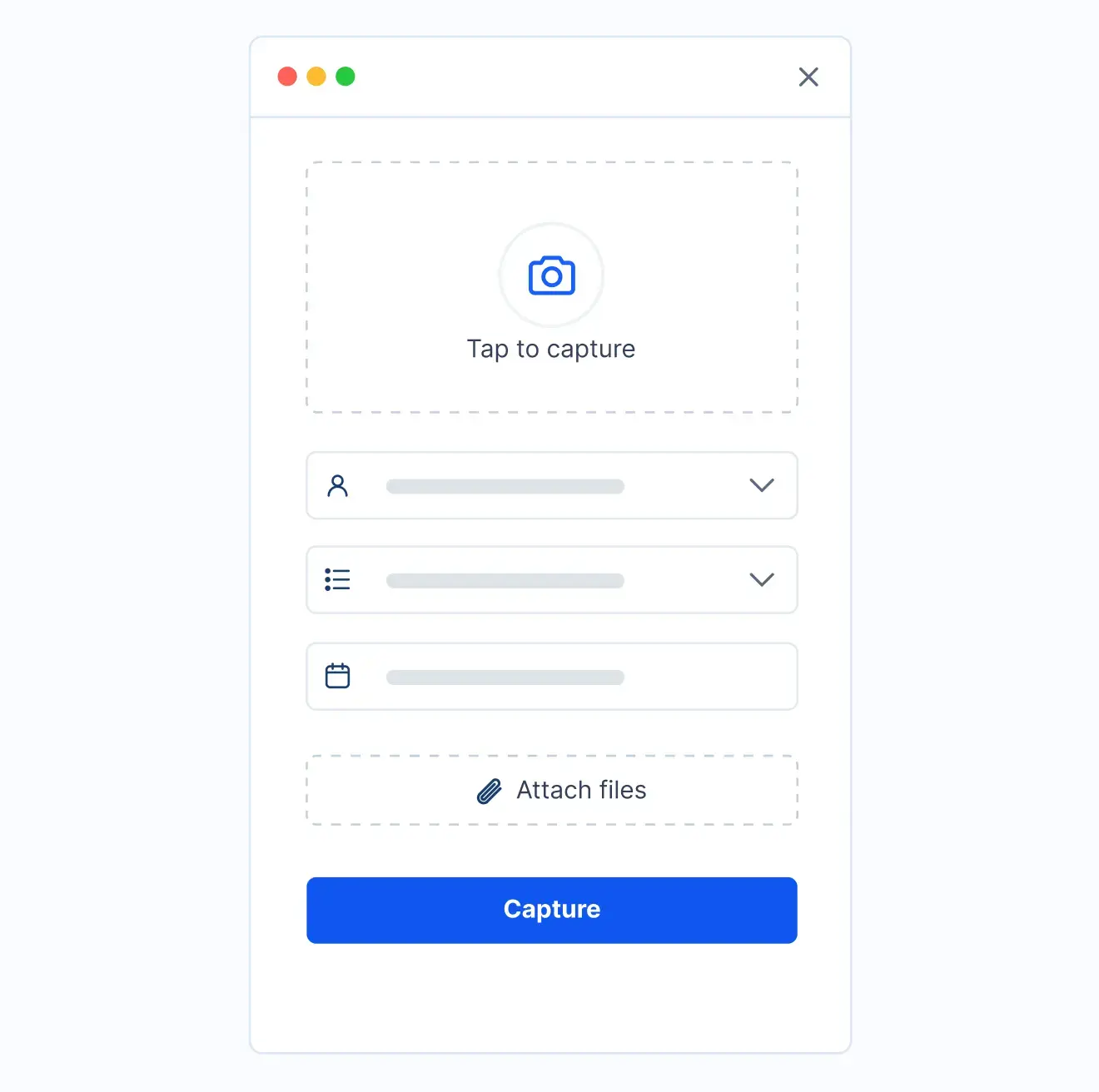
A tie-in point at the battery limit is registered with its required data and the two responsible parties named.
Review
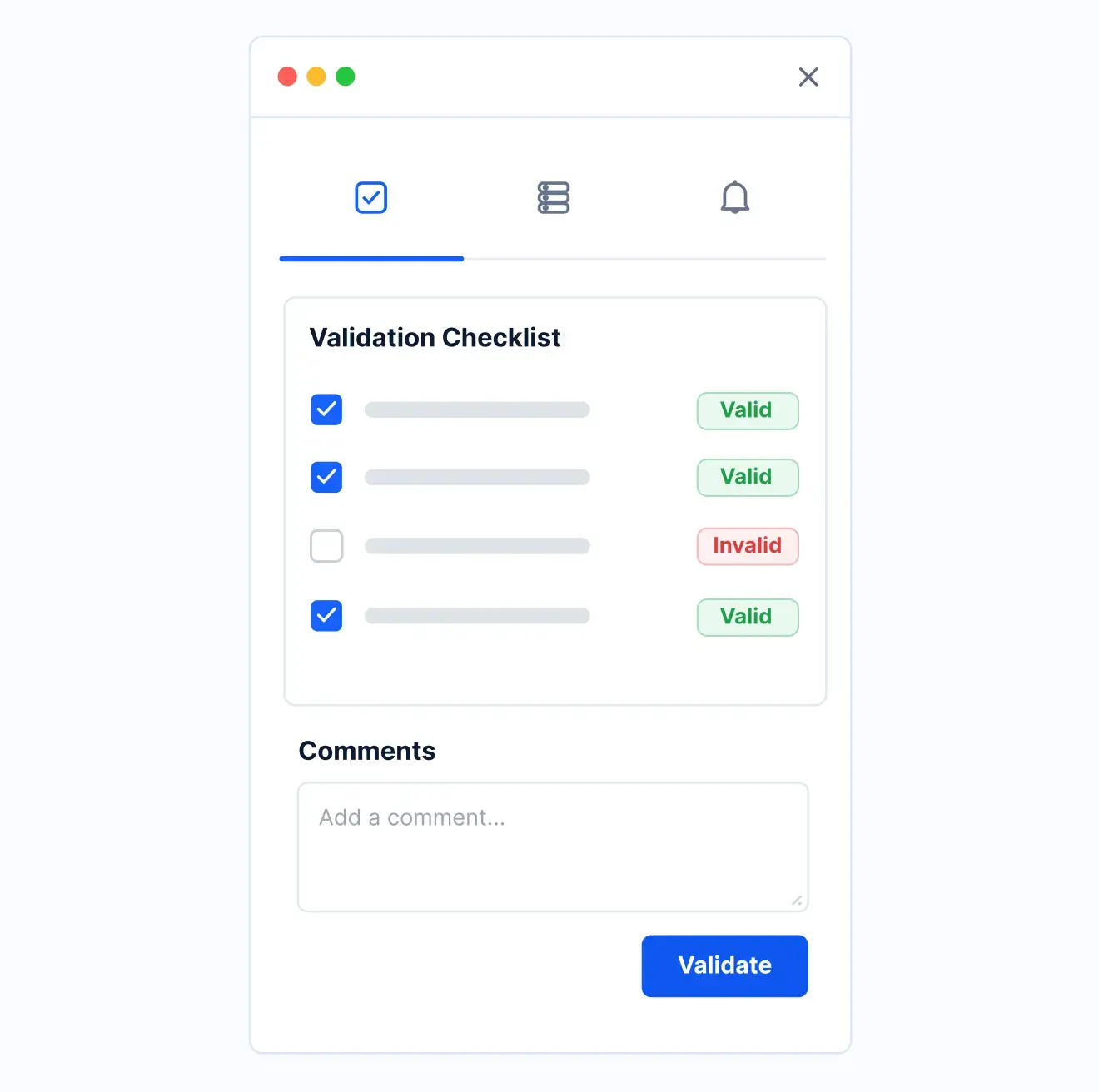
Each side submits its flow, pressure, temperature, and elevation data against the interface point, and the two sets are compared.
Approve
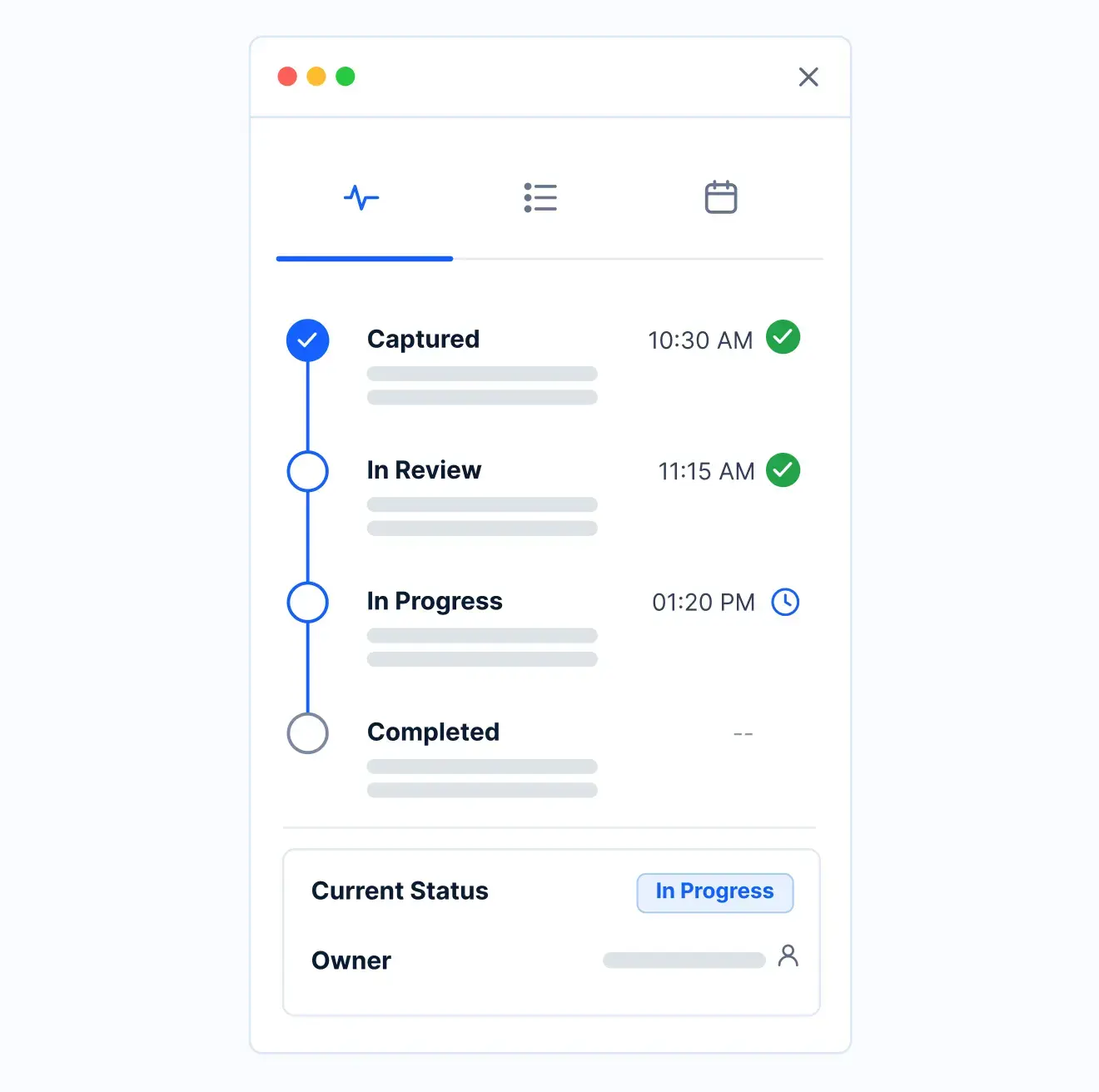
Both parties sign off once the data on each side matches, closing the interface as agreed.
Record
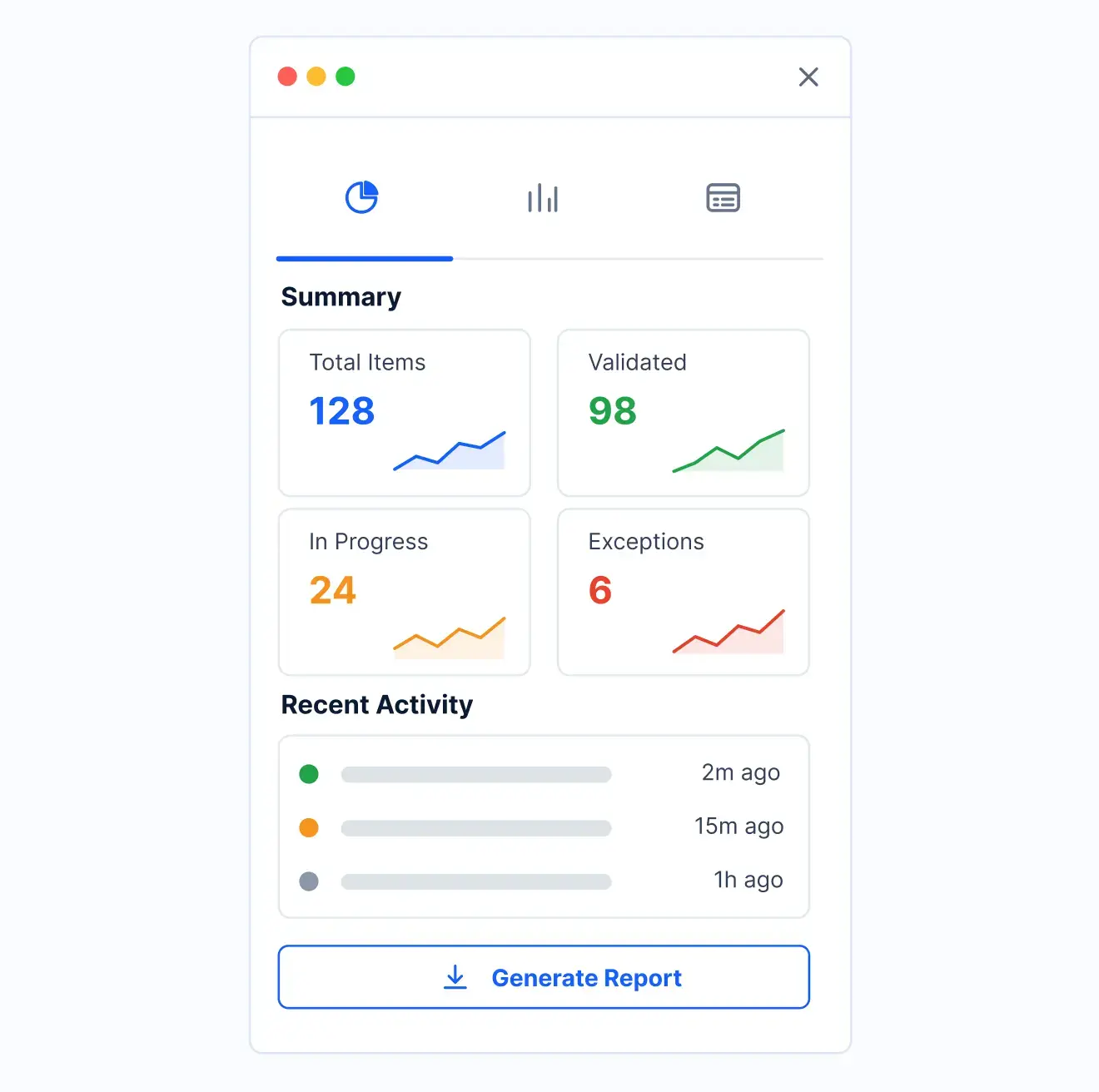
The agreed interface is recorded, and a late-stage design change on either side automatically reopens it for re-confirmation, so a mismatch surfaces in design review, not at hydrotest.
What changes when battery limit interfaces run on Kissflow
| Process | Before Kissflow | On Kissflow |
|---|---|---|
| Interface tracking | A battery limit drawing checked manually by each contractor | One register listing every tie-in point and its owners |
| Data exchange | Emailed spreadsheets between two engineering teams | Submitted against the interface point directly |
| Sign-off | Assumed once both sides say it looks right | A documented two-party confirmation |
| Late changes | Discovered at hydrotest or during construction | Automatically reopens the interface for re-confirmation |
| Project-wide visibility | No single list of every interface point | One dashboard across every package |
| Pre-commissioning readiness | A scramble to confirm every tie-in matches | A standing record of every interface's agreed status |
Connects to your engineering document management system or ERP for the underlying drawings; Kissflow doesn't replace your system of record
Kissflow runs the interface register and sign-off layer. Your engineering document management system or ERP stays the system of record for the battery limit drawings and package specifications themselves.
.svg)



.svg)
.svg)
.svg)
.svg)

.svg)
.svg)
.svg)
.svg)
.svg)

.svg)

.svg)

.svg)
.svg)
.svg)
.svg)
.svg)
.svg)
.svg)
.svg)
.svg)

.svg)
Built for how a battery limit interface actually gets closed
One register, every tie-in point
Every interface across every package lives in one list, not scattered across contractor drawing sets.
Sign-off from both sides, not one
An interface only closes once the party on each end confirms the data matches.
Nothing missed before hydrotest
See every open interface's status in one dashboard instead of cross-checking drawings by hand.
Live in weeks
Configure interface data fields and responsible parties in the visual builder, or describe the use case to the AI Builder.
Governed from day one
Role-based access and a full audit trail on every interface exchange and sign-off.
Reopens automatically on change
A late design change on one side doesn't get missed by the other.
Related apps
Inter-Discipline Coordination Log
Coordinate the broader cross-team action items an interface mismatch might create.
Scope Change Request Management System
Approve a scope change that affects a battery limit interface's design data.
Engineering Deliverable Management System
Track the battery limit drawing itself through its own revision and issue status.
We help project teams close every tie-in point before it's a hydrotest surprise
.gif)

“If a company cannot enable everybody to use AI, they will never get the true benefit of AI. Platforms like Kissflow allow us to put that capability in the hands of our users in a safe way.”
Vagesh Dave
GVP & CIO at McDermott International, Ltd
See The Full Story

“Advanced automation of all processes is easy to set up. I cannot imagine how to manage workflows without this software.”
Tanay Tiwary
Global Head - Digitalization & Business Improvement
See the Full Story

“Kissflow supports rapid application development by building a working application prototype in the shortest amount of time.”
Maria Theresa Cabigon
CIO, SN Aboitiz Power Group
See The Full Story
See what Kissflow can do for you
Talk to usGot questions? We're here to help.
Get SupportNo. Your document management system or ERP stays the system of record for the battery limit drawings and package specifications. Kissflow registers the interface points those drawings define and tracks sign-off between the two responsible parties.
Inter-Discipline Coordination Log covers the broader set of cross-team action items and handoffs across a project. This app is scoped specifically to the technical data exchanged and agreed at a defined battery limit or tie-in point.
Any boundary where two contractors, packages, or a new unit and an existing facility meet: a pipe rack handoff, a utility tie-in, a vendor package boundary. You configure which tie-in points get tracked.
The interface automatically reopens and flags both parties, so the change doesn't get missed by the side that already signed off.
Each interface point is configured with its responsible parties. Most tie-ins are two-party, but you can add additional stakeholders where a point involves more than two.
No. Kissflow runs the register and sign-off workflow your interface management plan calls for. It doesn't replace the plan's governance structure.
Configuration and AI-assisted app generation move delivery from a multi-month program to a matter of weeks.
Kissflow is certified to SOC 1, SOC 2, SOC 3, and ISO/IEC 27001, with role-based access and a full audit log on every interface exchange.