Every IT Request Categorized and Routed Before a Person Reads It
A faculty member submits a request that's really three different problems bundled into one ticket, and it sits in a general queue until a technician reads closely enough to see it needs three teams. Kissflow categorizes and routes each request automatically, escalating anything urgent right away.

Trusted by leading universities worldwide






Every request categorized and routed before it waits in a general queue
A general IT service queue treats a password reset and a building-wide network outage the same way until a technician manually reads far enough into the ticket to tell the difference, and by then the outage has already cost twenty extra minutes that a faster read would have saved. Free-text tickets make the problem worse: a request that's really three separate issues gets logged as one, and it sits in a general queue until someone reads closely enough to realize it needs three different teams working three different fixes. Kissflow captures what's actually needed through a structured intake instead of a free-text ticket, classifies each request against defined categories and urgency levels the moment it's submitted, routes it directly to the team that owns that category, and escalates anything that meets defined urgency criteria before it has a chance to sit unattended in a queue nobody is actively watching.
Without automated triage, urgency is discovered when someone finally reads the ticket
Intake is a free-text ticket
A request arrives as whatever the requester typed, with no structure to work from.
Categorization is read and judged by a technician
Someone has to read every request closely enough to know where it belongs.
Routing goes to a general queue
Requests wait for a technician to notice and reassign them to the right team.
Urgency is found when someone reads it
A genuinely urgent request waits in line behind routine ones until a human catches it.
Built to run the whole process, not just record it
Every capability this app needs, in one place.
Structured request intake
A structured form that captures what's actually needed from the requester instead of a free-text ticket.
Automated categorization
Classifies each incoming request against a defined set of categories and urgency levels automatically.
Routing by category
Routes each request directly to the specific team that actually owns it, not a shared general queue.
Escalation on urgency
Flags and escalates anything that meets the defined urgency criteria, ahead of its normal place in line.
SLA tracking
Tracks each incoming request against its own category's specific response and resolution time targets.
Triage accuracy dashboard
Shows how requests were categorized over recent history and whether the automatic routing actually held up.
From request to system of record in four steps
Report
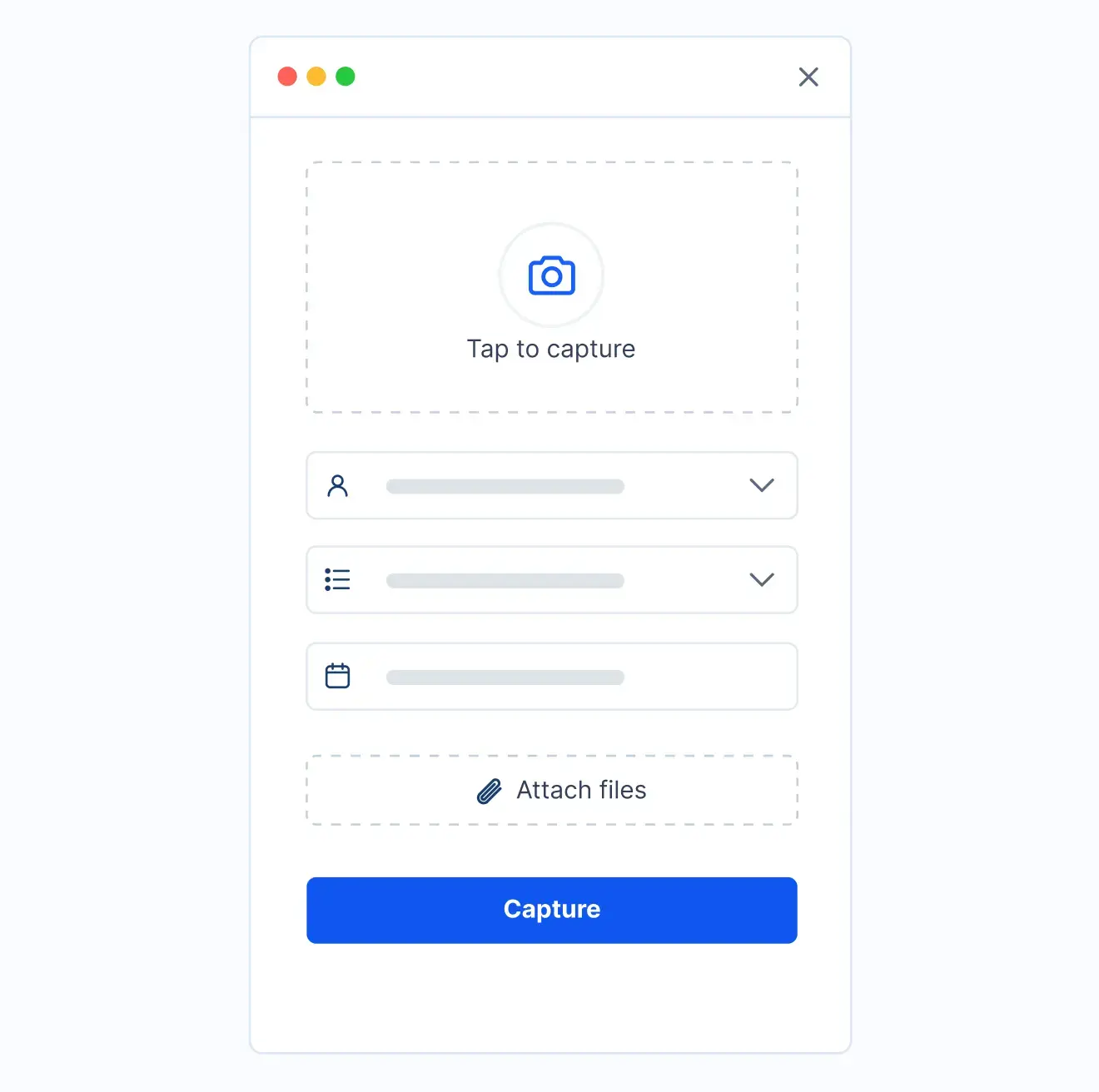
A request comes in through a structured intake form rather than a free-text ticket, becoming a single record.
Assess
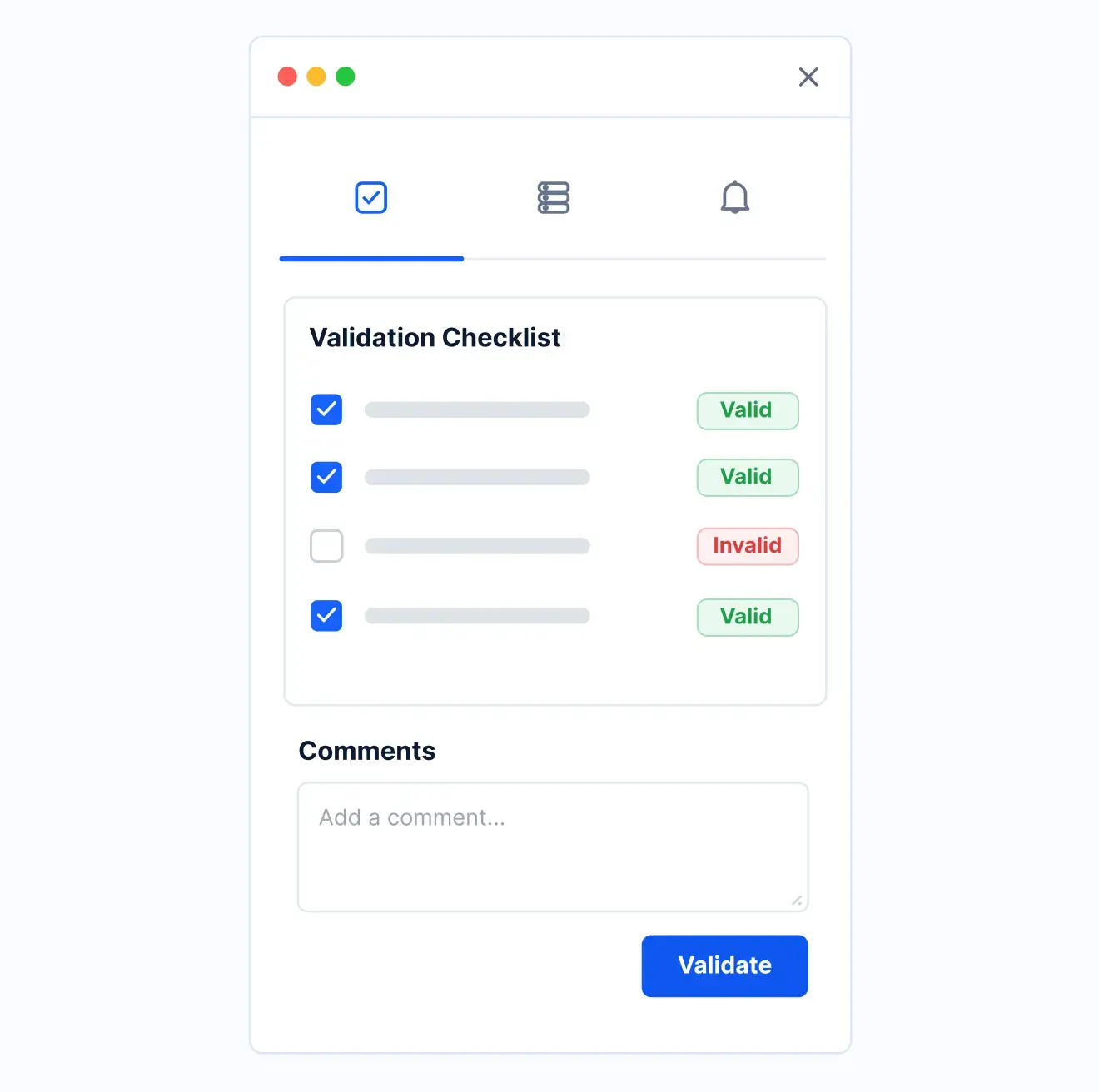
The request is categorized and assigned an urgency level automatically on submission, then routed directly to the team that owns that category, skipping the general queue.
Resolve
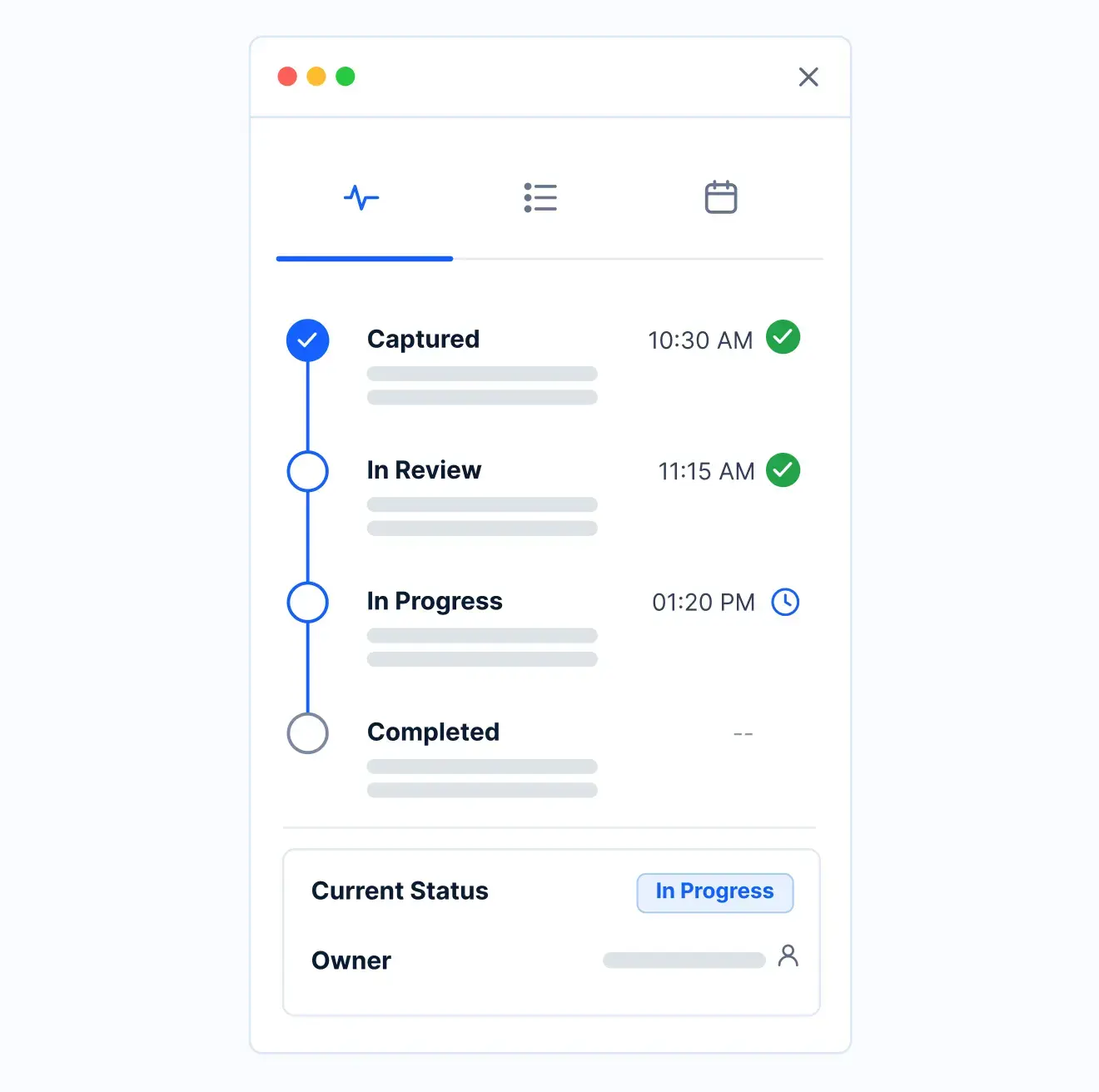
The owning team works the request, with anything urgent escalated right away.
Record
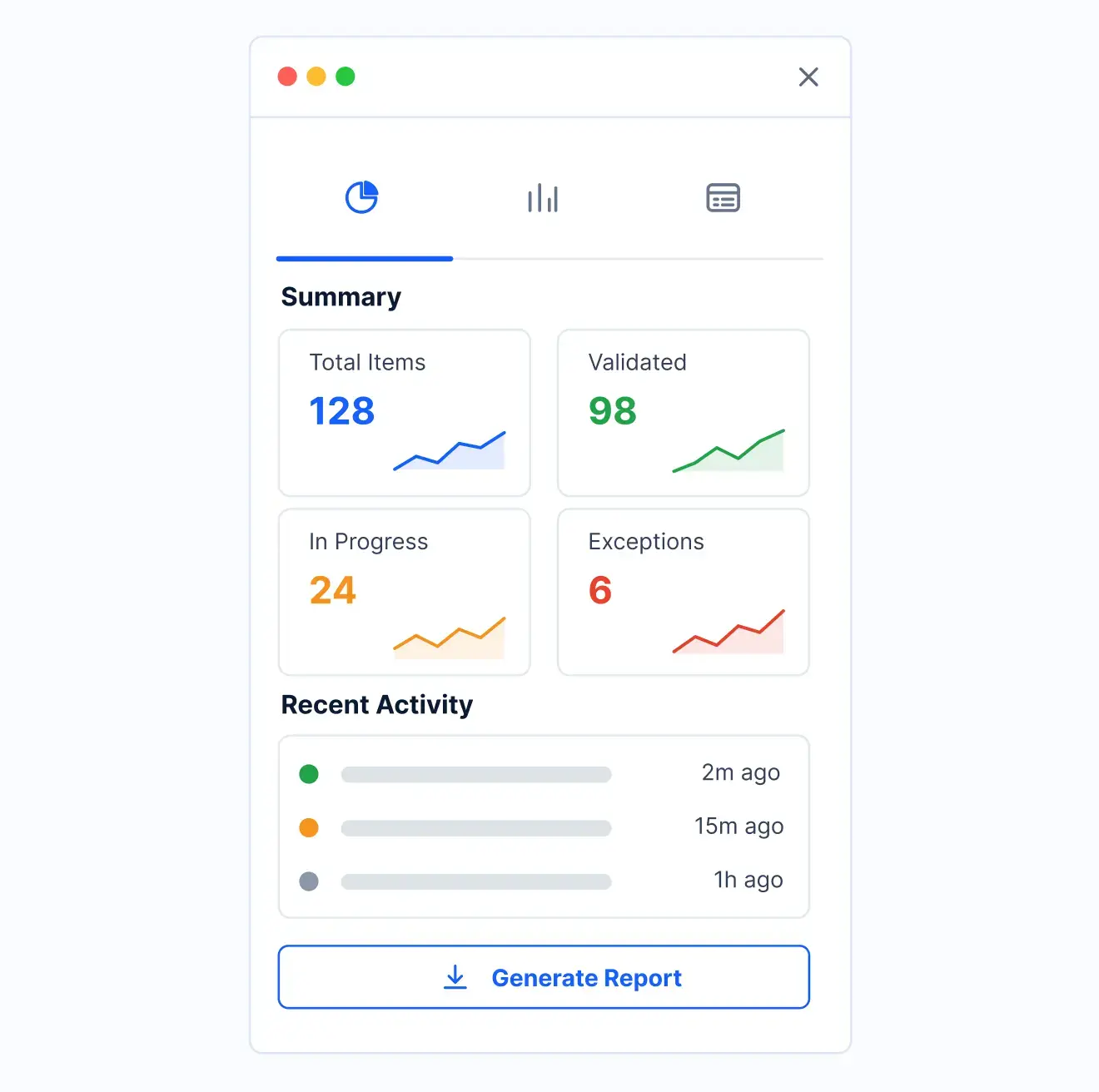
The request is tracked against its category's response and resolution targets, escalating if it slips, and closes with its history retained.
What changes when this runs on Kissflow
| Process | Before Kissflow | On Kissflow |
|---|---|---|
| Intake | Free-text ticket | Structured form that captures what's needed |
| Categorization | Read and judged by a technician | Classified automatically against defined categories |
| Routing | General queue | Routed directly to the owning team |
| Urgency | Found when someone reads it | Flagged and escalated at intake |
| SLA | Tracked manually, if at all | Tracked automatically against category targets |
| Accuracy | No feedback loop | A dashboard on how triage decisions held up |
Connects to the ticketing and identity systems the service desk already runs on
.svg)



.svg)
.svg)
.svg)
.svg)

.svg)
.svg)
.svg)
.svg)
.svg)

.svg)

.svg)

.svg)
.svg)
.svg)
.svg)
.svg)
.svg)
.svg)
.svg)
.svg)

.svg)
Built to triage before a human has to read every ticket
Categorized before a human reads it
Classification happens at intake, not after a technician gets to it.
Routed to the owning team, not a general queue
No reassignment step required to reach the right people.
Urgency flagged at intake, not discovered later
A genuinely urgent request doesn't wait its turn.
SLA tracked automatically, by category
Response and resolution targets aren't tracked by memory.
A feedback loop on triage accuracy
Categorization improves against what actually happened.
Configured in the visual builder, live in days
No separate service desk platform migration.
Related apps
IT Oversight & Application Governance Dashboard
For the portfolio-level view of the apps these service requests are often about.
App Orchestration & Governance Dashboard
The related governance queue for requests that turn out to be app-related.
Enterprise Workflow Integration Hub
Where a triaged request for a new integration eventually gets scoped and built.
We help the service desk route the right request to the right team the first time
.gif)

“If a company cannot enable everybody to use AI, they will never get the true benefit of AI. Platforms like Kissflow allow us to put that capability in the hands of our users in a safe way.”
Vagesh Dave
GVP & CIO at McDermott International, Ltd
See The Full Story

“Advanced automation of all processes is easy to set up. I cannot imagine how to manage workflows without this software.”
Tanay Tiwary
Global Head - Digitalization & Business Improvement
See the Full Story

“Kissflow supports rapid application development by building a working application prototype in the shortest amount of time.”
Maria Theresa Cabigon
CIO, SN Aboitiz Power Group
See The Full Story
See what Kissflow can do for you
Talk to usGot questions? We're here to help.
Get SupportWhatever your service desk defines: access, hardware, application support, network, and so on, each with its own routing and urgency rules.
No. It sits in front of intake and routing; your existing ticketing system can remain the system of record for resolution.
It routes to a general review queue for a human to categorize manually, rather than being forced into the wrong bucket.
By rules your service desk defines, keywords, requester role, or category, configurable without needing a developer.
Yes. Process owners configure the intake, rules, and approval routing in the visual builder, and the AI Builder can generate a working app from a plain-language description.
Through APIs and integration connectors, under single sign-on and role-based access, with every action written to an audit log.
Configuration and AI generation move delivery from weeks to days, without a multi-year platform program or an engineering backlog.
Kissflow is certified to SOC 1, SOC 2, SOC 3, ISO/IEC 27001, HIPAA, GDPR, and CCPA, hosted on Google Cloud with data residency in the US, EU, APAC, and Oceania.