Application Review and Decision Built for a Reading Season on a Deadline
Kissflow assigns applications to readers, scores them against a shared rubric, routes files to committee for a decision, and escalates a stalled file automatically, with a full audit trail and a status dashboard admissions leadership can actually trust.

Trusted by leading universities worldwide






Every day an application sits in a reader's queue is a day closer to a deposit deadline on someone else's campus
Reading season runs on a compressed timeline, and a file that sits too long with one reader, or gets scored against a rubric interpreted a little differently by each reader, does not just slow down admissions internally, it delays a decision the applicant is comparing against offers from other institutions.
Today reading season often runs on a shared spreadsheet, a shared rubric document, and whatever each reader remembers about the last file they scored. Consistency between readers is hard to verify, and a file that stalls has no automatic prompt to move it forward before the committee meets.
Kissflow rebuilds this as a working review app: applications assigned to readers automatically, scored against the same structured rubric every time, routed to committee for a final decision, with notification and escalation keeping files moving and a full record and status dashboard showing exactly where every application stands. Your SIS remains the system of record for the admission decision once it is made; Kissflow is where the decision gets built.
What breaks when reading season runs on a shared spreadsheet
Reader assignment is manual
Files get distributed by whoever has time to sort them, not by a consistent, trackable rule.
Rubric scoring varies by reader
Without a structured rubric, two readers can score similar files differently with no way to catch the drift.
Stalled files have no automatic prompt
A file sitting too long with one reader does not get flagged until someone happens to check.
No live view of reading season progress
Admissions leadership cannot see how many files are read, scored, or awaiting committee without a manual count.
Six modules. Built for how a reading season actually moves toward a decision.
Every module ships with default forms, routing, and dashboards. Configure each one to your rubric and committee structure in the visual builder.
Application intake
Brings the applicant file into the review queue the moment it becomes ready for reading, with nothing sitting unassigned.
Reader assignment and rubric review
Assigns files to readers and scores every one against the same structured rubric, so two readers never grade differently.
Committee decision
Routes scored files to committee for the final admit, deny, or waitlist decision, with the rubric score attached.
Notification and escalation
Notifies readers of new assignments and escalates a file that has stalled past a set number of days.
Record and audit trail
Keeps every reader's score and the committee's decision tied to the specific file, searchable after the fact.
Status dashboard and reporting
Shows admissions leadership exactly how many files are read, scored, or awaiting decision, broken down by day and reader.
From request to system of record in four steps
Submit
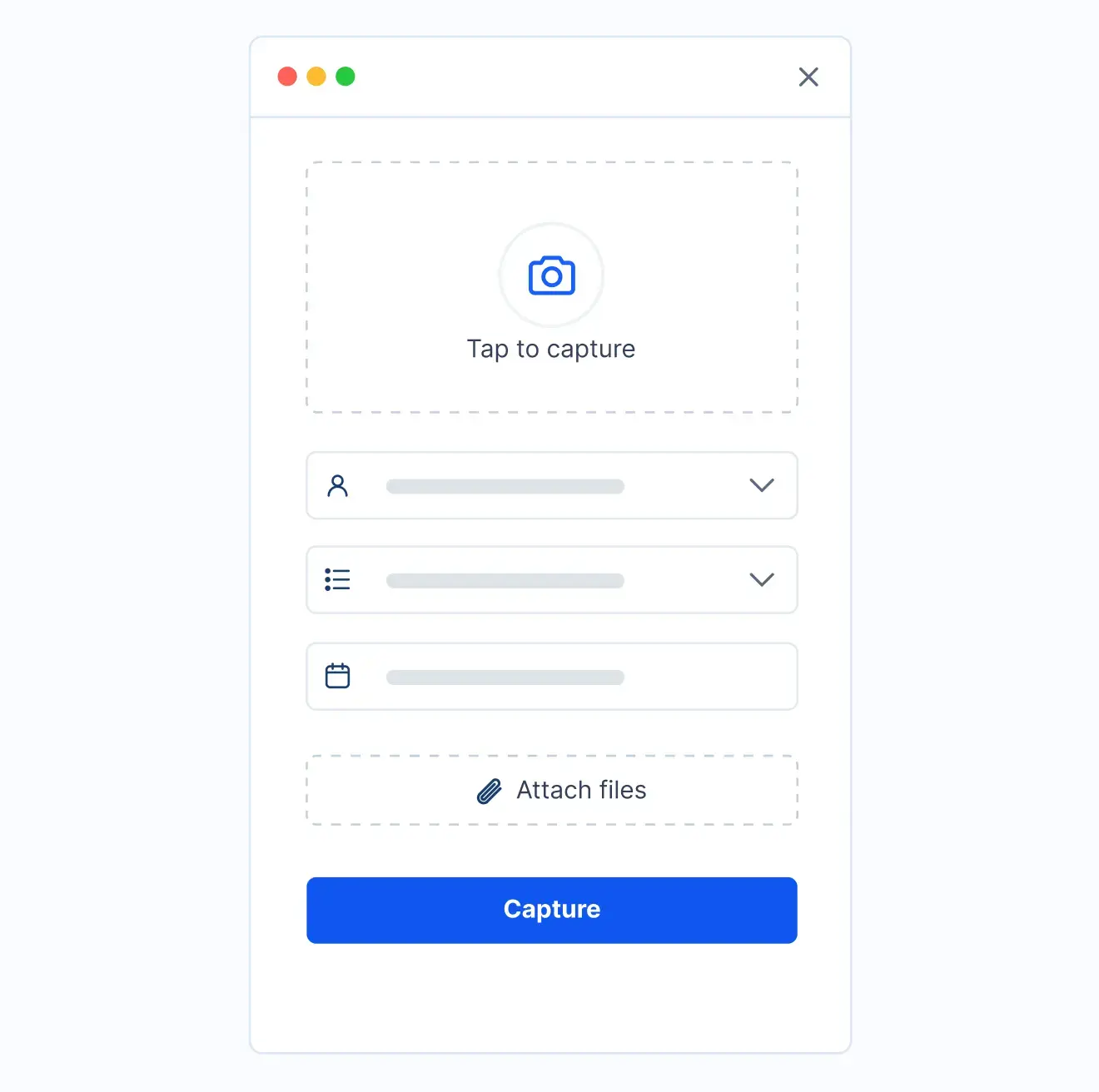
A completed applicant file enters the review queue as soon as it clears intake, ready for a reader to be assigned.
Review
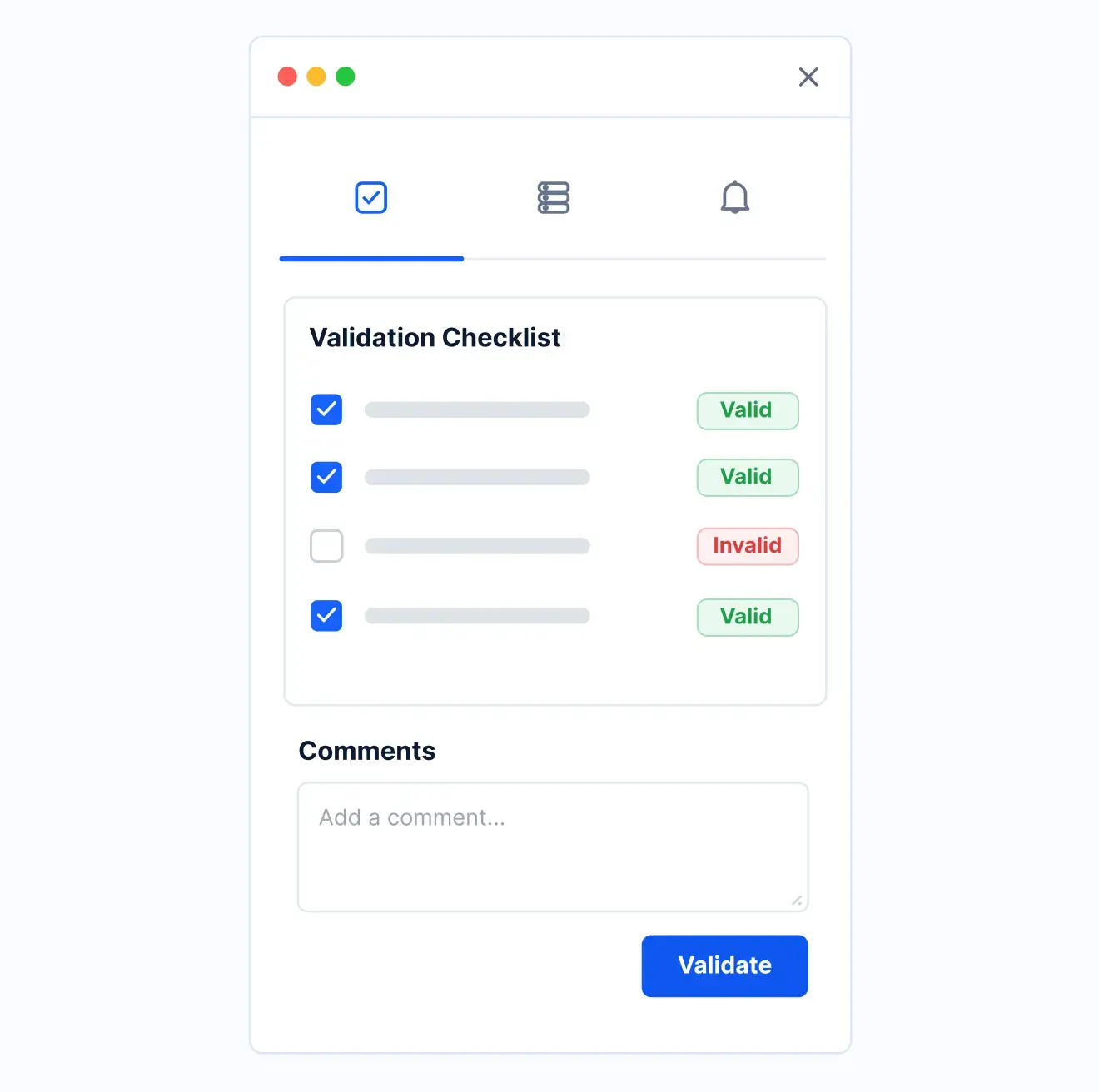
The file is assigned to a reader and scored against the shared rubric every reader uses.
Approve
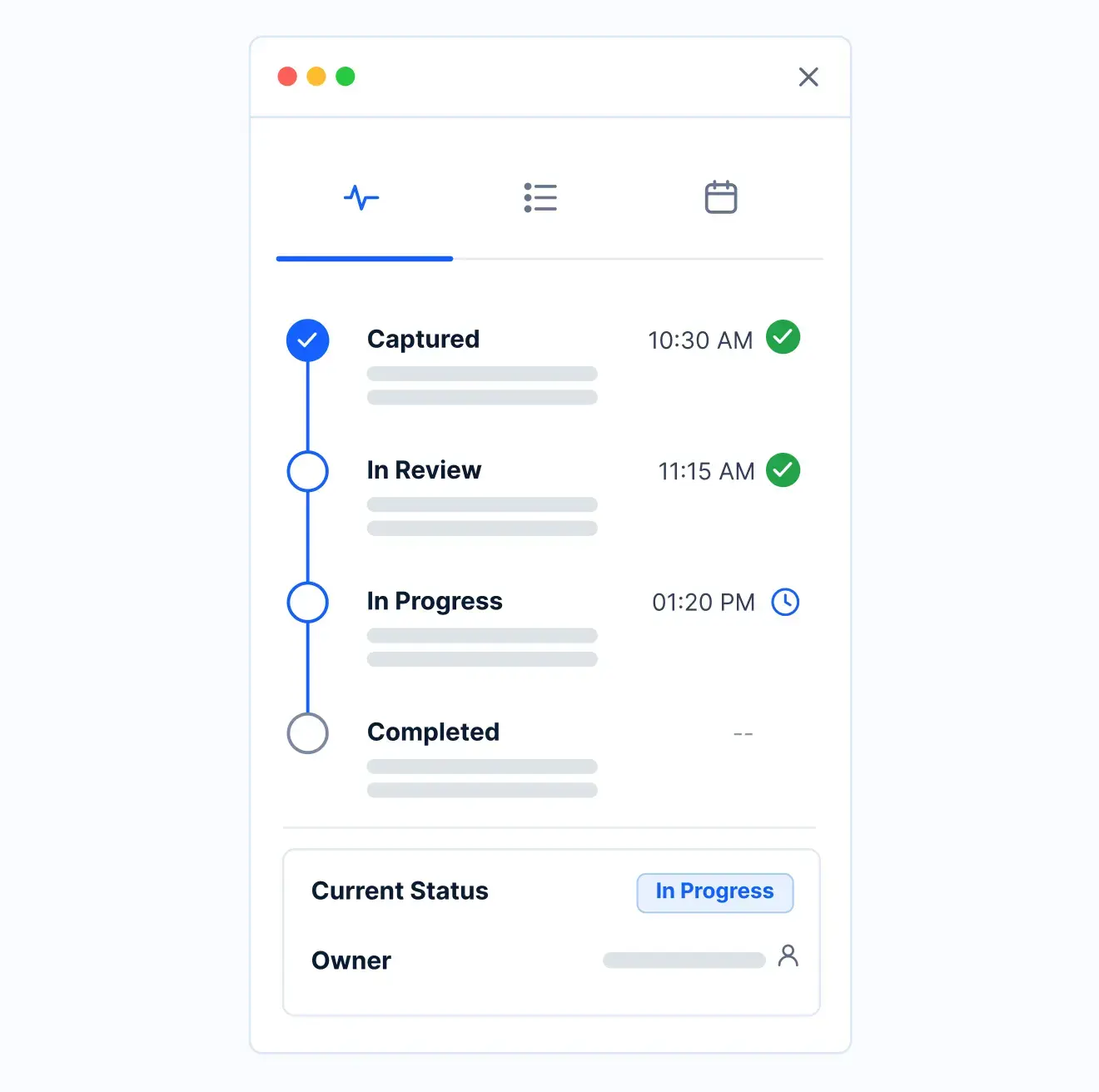
Scored files route to committee for the final decision, with escalation if a file stalls.
Record
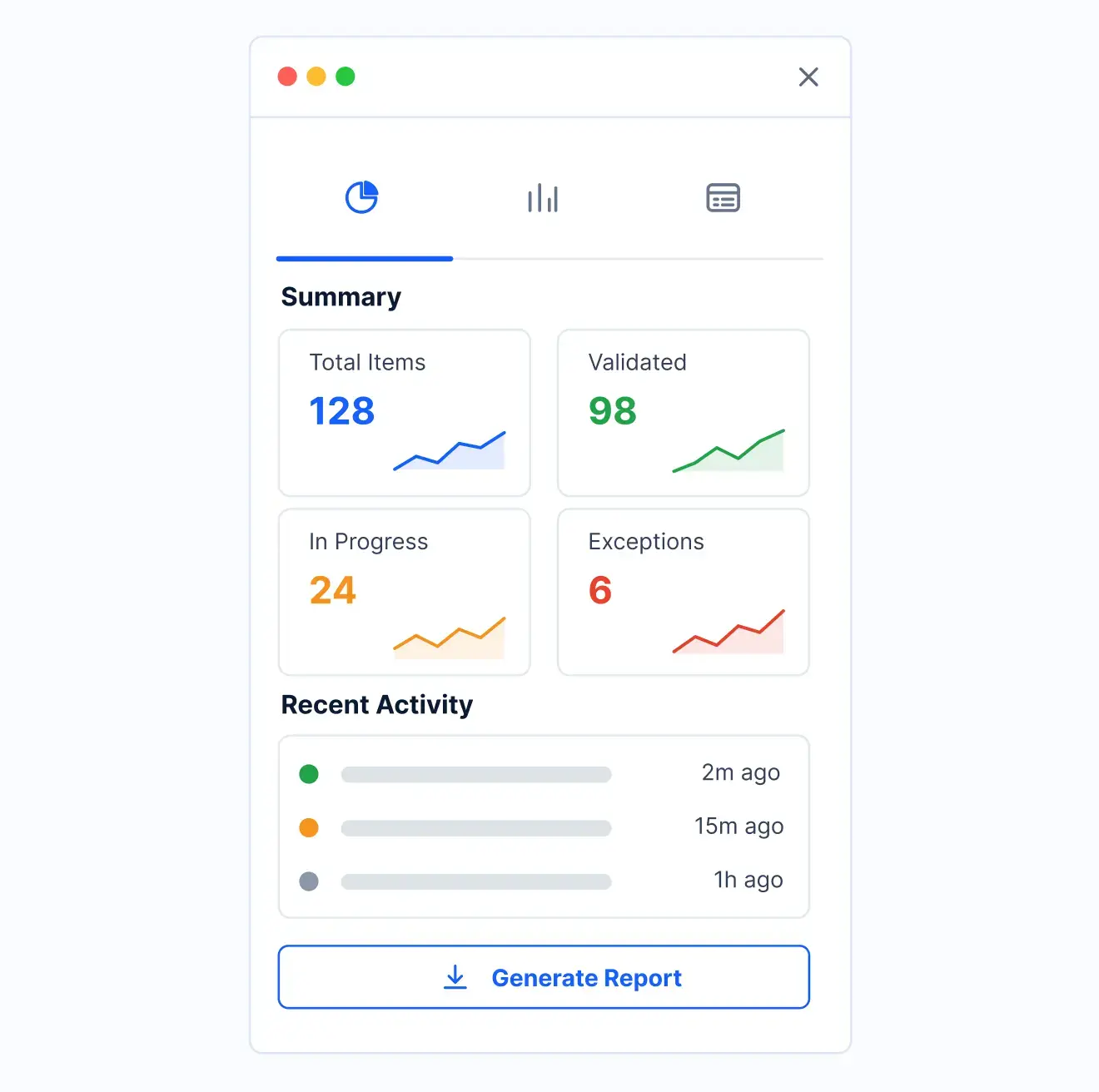
The decision and full review record are captured, and reading season status rolls into the dashboard.
What changes when application review runs on Kissflow
| Process | Before Kissflow | On Kissflow |
|---|---|---|
| Reader assignment | Manual sorting by whoever has time | Assigned automatically by a consistent rule |
| Rubric scoring | Varies by reader, hard to verify | Structured, consistent, and comparable across readers |
| Stalled files | Caught only if someone happens to check | Escalated automatically after a set number of days |
| Committee routing | A scheduled meeting with files pulled manually | Scored files route to committee automatically |
| Reading season visibility | A manual count, updated occasionally | A live dashboard, updated as files move |
| Decision record | Reconstructed from committee notes | Tied directly to the file, with reader scores attached |
Connects to your SIS; Banner and Workday stay the system of record
Kissflow does not replace Banner, Workday, or your SIS. It manages the reader assignment, scoring, and committee routing that produces the decision those systems then record.
.svg)



.svg)
.svg)
.svg)
.svg)

.svg)
.svg)
.svg)
.svg)
.svg)

.svg)

.svg)

.svg)
.svg)
.svg)
.svg)
.svg)
.svg)
.svg)
.svg)
.svg)

.svg)
Built for a reading season with a real deadline behind it
Consistent scoring, not reader-dependent
Every file is scored against the same structured rubric, reducing drift between readers.
Escalation that keeps reading season moving
A stalled file gets flagged automatically, not caught by chance.
A live view of the whole reading season
Admissions leadership sees exactly how many files are at each stage, without a manual count.
Live in weeks
Admissions configures reader assignment, rubric scoring, and committee routing in the visual builder, without a systems project.
An ERP-adjacent review layer
Your SIS stays the system of record for the admission decision. Kissflow holds the review trail that produced it.
Committee decisions on complete, scored files
Committee reviews files that already carry consistent reader scores, not raw, unscored applications.
Related apps
Offer Letter and Decision Approvals Management System
Takes the decision this app produces and routes the resulting offer letter through financial aid and dean sign-off.
Applicant Communication & Yield Management
Tracks engagement and yield signals for applicants once a decision from this app reaches them.
Cross-Department Enrollment Coordination Management System
Picks up an admitted applicant's file once this app's decision moves them into the enrollment pipeline.
We help admissions offices see exactly where reading season stands, file by file
.gif)

“If a company cannot enable everybody to use AI, they will never get the true benefit of AI. Platforms like Kissflow allow us to put that capability in the hands of our users in a safe way.”
Vagesh Dave
GVP & CIO at McDermott International, Ltd
See The Full Story

“Advanced automation of all processes is easy to set up. I cannot imagine how to manage workflows without this software.”
Tanay Tiwary
Global Head - Digitalization & Business Improvement
See the Full Story

“Kissflow supports rapid application development by building a working application prototype in the shortest amount of time.”
Maria Theresa Cabigon
CIO, SN Aboitiz Power Group
See The Full Story
See what Kissflow can do for you
Talk to usGot questions? We're here to help.
Get SupportNo. Banner or your SIS remains the system of record once an admission decision is made. Kissflow manages the reader assignment, rubric scoring, and committee routing that produces that decision.
This app produces the admit, deny, or waitlist decision itself, through reader review and committee approval. Offer Letter and Decision Approvals starts after that decision is made, drafting and approving the formal letter, financial aid terms included, that communicates it to the student.
Every reader scores against the same structured rubric configured for that application cycle, rather than an informal or personally interpreted standard.
Escalation rules flag a stalled file after a set number of days and route it to a backup reader or admissions leadership.
Yes. Rubric criteria, reader assignment logic, and committee routing are configured in the visual builder, and the AI Builder can generate a starting workflow from a description of your reading process.
Yes. A status dashboard shows how many files are at each stage, read, scored, or awaiting committee, updated as files move rather than on a manual schedule.
Yes, multiple-reader scoring with a reconciliation step for divergent scores can be configured per your admissions committee's process.
Yes. Kissflow is certified to SOC 1, SOC 2, SOC 3, and ISO/IEC 27001, supports HECVAT review, and role-based access restricts file access to assigned readers and committee members.