Your compliance team just discovered that a critical vendor's ISO certification expired three months ago. Nobody noticed until the annual audit. The vendor has been processing customer data without valid compliance documentation for an entire quarter. The regulatory exposure alone could cost millions.
This didn't happen because your team was incompetent. It happened because manual vendor tracking doesn't scale. And spreadsheets don't send alerts.
The vendor compliance gap that auditors find
45 percent of organizations experienced a third-party-related business interruption in the prior two years. These aren't minor service hiccups. They're operational failures, security breaches, and compliance violations that stem from inadequate vendor oversight.
Traditional vendor management operates through quarterly reviews, annual audits, and spreadsheet tracking. A procurement team maintains the vendor list. IT tracks security assessments. Compliance manages certifications. Finance handles contract renewals. Each department has its own system, its own timeline, and its own definition of "adequate oversight."
The problem surfaces during audits. Regulators ask for evidence that you've been continuously monitoring vendor compliance, not just checking boxes annually. They want documentation showing you identified risks in real-time and took corrective action immediately. They want proof that when a vendor's security posture degraded, you caught it within days, not months.
Spreadsheets can't provide that proof. They record what happened after someone manually checked something. They don't capture continuous monitoring, automated alerts, or immediate response workflows.
The actual cost of inadequate vendor oversight
Third-party data breaches cost an average of $4.88 million per incident. But the direct breach cost is just the beginning. Regulatory fines for inadequate vendor oversight can match or exceed breach costs. Customer churn from reputational damage extends losses over years. Contractual penalties from SLA failures compound the financial impact.
15 percent of data breaches are linked to third parties or suppliers. When regulators investigate these breaches, they don't just examine the vendor. They examine your oversight of the vendor. Did you perform adequate due diligence? Did you monitor ongoing compliance? Did you have processes to detect and respond to degrading security posture?
If the answer to any of these questions is "we checked them annually," you're looking at significant penalties. Regulators expect continuous oversight, not periodic reviews. Manual processes can't deliver this, and spreadsheet tracking systems certainly can't prove it during audits.
The compliance exposure extends beyond security breaches. Expired certifications, missed contract renewals, and outdated risk assessments all create regulatory vulnerabilities. When a vendor processes sensitive data without current GDPR attestation, you're liable. When a healthcare vendor's HIPAA compliance documentation lapses, you're exposed. When a financial services vendor's SOC 2 certification expires, your regulators notice.
What continuous monitoring actually requires
The term "continuous monitoring" appears in every compliance framework. GDPR requires it. HIPAA demands it. SOC 2 audits verify it. But most organizations implement periodic checking and call it continuous.
True continuous monitoring means real-time visibility into vendor compliance status. When a certification expires, you know immediately, not at the next quarterly review. When a vendor's security score drops, alerts fire automatically. When contract renewal dates approach, workflows initiate without manual intervention.
This requires infrastructure that connects to vendor data sources, tracks expiration dates across multiple compliance frameworks, routes alerts based on risk levels, and initiates response workflows automatically. Building this infrastructure with traditional development takes months. Maintaining it requires dedicated resources.
85 percent of respondents are already using a platform to manage risk and compliance operations, but only 25 percent leverage third-party modules within their GRC platform. The gap between having software and having effective vendor oversight remains significant. Point solutions create silos. Manual data entry between systems creates lag. Disconnected workflows prevent automated response.
See the full story → SN Aboitiz Power: Legal & Regulatory Compliance Registry for Renewals & Expirations
The no-code approach to vendor oversight
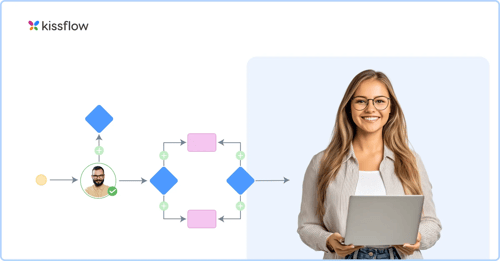
No-code platforms transform vendor compliance from a documentation exercise into an operational system. Instead of tracking vendor status in spreadsheets and sending email reminders for upcoming deadlines, organizations build workflow applications that automate the entire oversight process.
A vendor onboarding workflow captures all required compliance documentation upfront. ISO certifications, SOC reports, insurance certificates, and security questionnaires all get uploaded to the system during onboarding. The system extracts expiration dates and sets up automated monitoring.
Ninety days before a certification expires, the system alerts the vendor management team. Sixty days out, it escalates to procurement. Thirty days out, it triggers a workflow that notifies the vendor, engages backup suppliers, and flags the risk to compliance leadership. If expiration occurs, it automatically restricts vendor access to sensitive systems until compliance is restored.
AI agents can shorten security review cycles by 81 percent, turning weeks of manual review into days of automated analysis. No-code platforms with AI integration can analyze vendor security documentation, compare it against your requirements, flag gaps, and generate risk reports without human intervention for standard reviews.
Building workflows that scale with vendor complexity
Not all vendors pose equal risk. A marketing agency that accesses no customer data requires different oversight than a payment processor handling sensitive financial information. Effective vendor management systems tier vendors by risk and apply proportional controls.
No-code workflows support this tiering naturally. High-risk vendors trigger comprehensive onboarding workflows with extensive documentation requirements, quarterly check-ins, continuous security monitoring, and strict renewal protocols. Medium-risk vendors follow simplified workflows with annual reviews and basic compliance tracking. Low-risk vendors require minimal documentation and automated renewals.
The platform enforces these tiers without requiring manual categorization for every vendor. Risk scoring algorithms analyze vendor characteristics data access levels, system integration depth, regulatory requirements, and financial exposure—and automatically assign appropriate oversight workflows.
When a low-risk vendor's profile changes they gain access to a new system, start processing more sensitive data, or request expanded permissions the platform detects the change and triggers a reassessment workflow. If the vendor now qualifies as medium or high risk, the system automatically upgrades their oversight requirements and notifies relevant stakeholders.
Integration patterns that eliminate data silos
Vendor compliance data sits in multiple systems. Contract details live in procurement software. Security assessments reside in IT tools. Compliance certifications exist in legal databases. Financial performance metrics come from accounting systems. Manually consolidating this data for oversight purposes creates lag and introduces errors.
No-code platforms integrate these data sources through pre-built connectors and API integrations. When procurement renews a contract, the vendor management workflow sees the new expiration date immediately. When IT completes a security assessment, the compliance workflow accesses the results automatically. When finance flags payment issues, the risk management workflow incorporates this signal into the vendor's risk score.
These integrations enable comprehensive vendor profiles that update in real-time. Compliance officers see current certification status, recent security assessment results, contractual obligations, and financial health all in a single view. They don't need to query multiple systems or request updates from various departments.
Audit trails that regulators actually want
During compliance audits, regulators ask for evidence of continuous vendor oversight. They want documentation showing when you performed risk assessments, how you responded to compliance gaps, and what actions you took when vendors' status changed.
Traditional systems struggle with this requirement because audit trails don't exist or don't capture relevant details. Email chains show that someone communicated with a vendor, but don't prove systematic oversight. Spreadsheet edit histories show when someone updated a field, but don't explain why or what triggered the update.
No-code workflow platforms generate comprehensive audit trails automatically. Every action taken in the vendor management system assessments completed, alerts sent, workflows initiated, approvals granted—gets logged with timestamps, user identities, and contextual details. When a vendor's certification expired and the system automatically restricted their access, the audit log captures the sequence of events that led to that decision.
Studies show 297 percent ROI and 45 percent reduction in breach probability when modern vendor risk management replaces spreadsheets. These results come primarily from systematic oversight that audit trails make possible. When you can demonstrate to regulators that your vendor management program operates continuously, not just periodically, compliance risk drops substantially.
Scaling vendor oversight without scaling headcount
The number of vendors that enterprise organizations manage continues to grow. Cloud services, specialized SaaS tools, and disaggregated service providers all contribute to expanding vendor ecosystems. Organizations that managed 50 vendors five years ago now manage 500.
32 percent year-over-year growth in adoption of vendor risk management modules within GRC platforms reflects this scaling challenge. Organizations recognize that manual vendor oversight doesn't scale linearly with vendor count. Managing 10 times as many vendors can't require 10 times as much staff.
No-code platforms enable vendor oversight to scale through automation rather than headcount. The workflow that onboards vendor number 50 operates identically for vendor number 500. The compliance monitoring that tracks 10 certifications extends to 100 certifications without additional manual effort. The risk assessment process that evaluates 20 vendors adapts to evaluate 200 vendors through templated workflows.
This scaling capability extends beyond just processing more vendors. As regulatory requirements evolve, no-code workflows adapt without requiring development resources. When new data privacy regulations introduce additional vendor compliance requirements, compliance teams can update workflows themselves, adding new documentation requirements and modified approval steps without waiting for IT development cycles.
How Kissflow enables automated vendor compliance
Track and manage vendor risk effortlessly with no-code solutions for vendor risk management that streamline the compliance and monitoring process.
Kissflow's no-code platform provides the foundation for comprehensive vendor risk and compliance management without requiring custom development. Pre-built workflow templates for vendor onboarding, compliance tracking, and renewal management accelerate implementation. Visual workflow builders let compliance teams customize oversight processes to match their specific regulatory requirements.
Automated alerts, approval routing, and document management all work together to ensure no vendor compliance requirement falls through the cracks. Integration capabilities connect Kissflow to your existing procurement, security, and compliance systems, creating the unified vendor view that effective oversight requires. When vendor compliance becomes an automated workflow instead of a manual process, regulatory risk drops substantially and audit readiness becomes continuous rather than periodic.
Frequently Asked Questions:
What vendor compliance can no-code track?
Certification expiry dates, insurance renewals, regulatory compliance status, performance scores, financial health indicators, and contractual obligation fulfillment.
How does no-code automate vendor assessments? Assessment questionnaires, document upload workflows, automated scoring, risk-based routing, and reminder notifications all run through visual no-code workflows.
Can no-code replace GRC tools for vendor risk?
No-code handles operational vendor compliance workflows well. Organizations with extensive GRC needs may use no-code alongside specialized GRC platforms.
Who manages vendor risk workflows?
Procurement, compliance, and legal teams build and manage vendor risk workflows. IT provides platform governance and integration support as needed.
How does this improve audit readiness?
Complete audit trails, standardized assessment records, automated document collection, and centralized vendor data make audit preparation significantly faster.
Related Topics:
No-Code Workflow Automation for ESG & Sustainability Reporting
No-Code Solutions for Production Quality & Compliance Tracking
Building Enterprise Dashboards with No-Code Analytics
Reusable Components & Templates in No-Code Platforms