Critical Spare Approval Workflow
A critical spare approval workflow routes requests to stock a critical spare through equipment criticality assessment, lead-time and consumption review, and financial approval, and records the holding decision with its basis so it can be reviewed rather than re-argued. Kissflow runs that decision alongside your inventory system.

Trusted by energy operators worldwide






A spare on the shelf is insurance nobody wants to pay for until the day they do
Critical spares sit at the point where reliability and finance disagree structurally. The reliability engineer sees a long-lead item whose failure takes a unit down for months. Finance sees working capital tied up in a part that may never be used. Both are right, and the argument is usually settled by whoever is more persistent rather than by a stated risk position.
Kissflow makes the trade explicit. A stocking request carries the equipment criticality, the consequence and estimated duration of an outage without the spare, the manufacturer lead time, consumption history where it exists, and whether a pooling or supplier agreement is a viable alternative. Financial approval sees the risk position rather than only the price.
The decision is recorded with its basis and carries a review date, because the correct answer changes when the equipment population changes, the lead time moves, or the asset approaches end of life. That is what turns a series of one-off arguments into a spares strategy.
Reliability and finance are both right, and the argument is settled by persistence
The risk position is never stated
A request argues for a part without quantifying the outage it prevents, so approval becomes a price judgment.
Alternatives are rarely reviewed
Pooling, supplier holding, and repair capability are options nobody assessed before committing working capital.
The decision lives in an email
Why a part was stocked, or refused, is held in a thread rather than against the part.
Holdings are never revisited
A spare stocked for equipment since replaced stays on the shelf because nothing scheduled a review.
Six process modules
Every module ships with default criticality criteria, review routing, approval thresholds, and dashboards. Configure each one to your spares strategy in the visual builder.
Stocking request intake
A structured request naming the part, the equipment it serves, and the reason it is proposed for stock, with technical specification and supplier detail captured up front.
Criticality and consequence assessment
Assessment of equipment criticality, the production and safety consequence of an outage without the spare, and the estimated duration of that outage.
Lead-time and alternatives review
Manufacturer lead time, consumption history, existing stock across sites, and alternatives such as pooling, supplier holding, or repair capability reviewed before a holding decision.
Financial approval
Approval routed on value thresholds with the risk position attached, so the decision weighs working capital against a stated consequence rather than against price alone.
Inventory system handoff
Approved stocking decisions handed to your inventory system with min and max levels, storage requirements, and preservation regime attached.
Holding review
A review date on every holding decision, so spares are revisited when equipment populations, lead times, or asset life change rather than held indefinitely by default.
From request to system of record in four steps
Submit
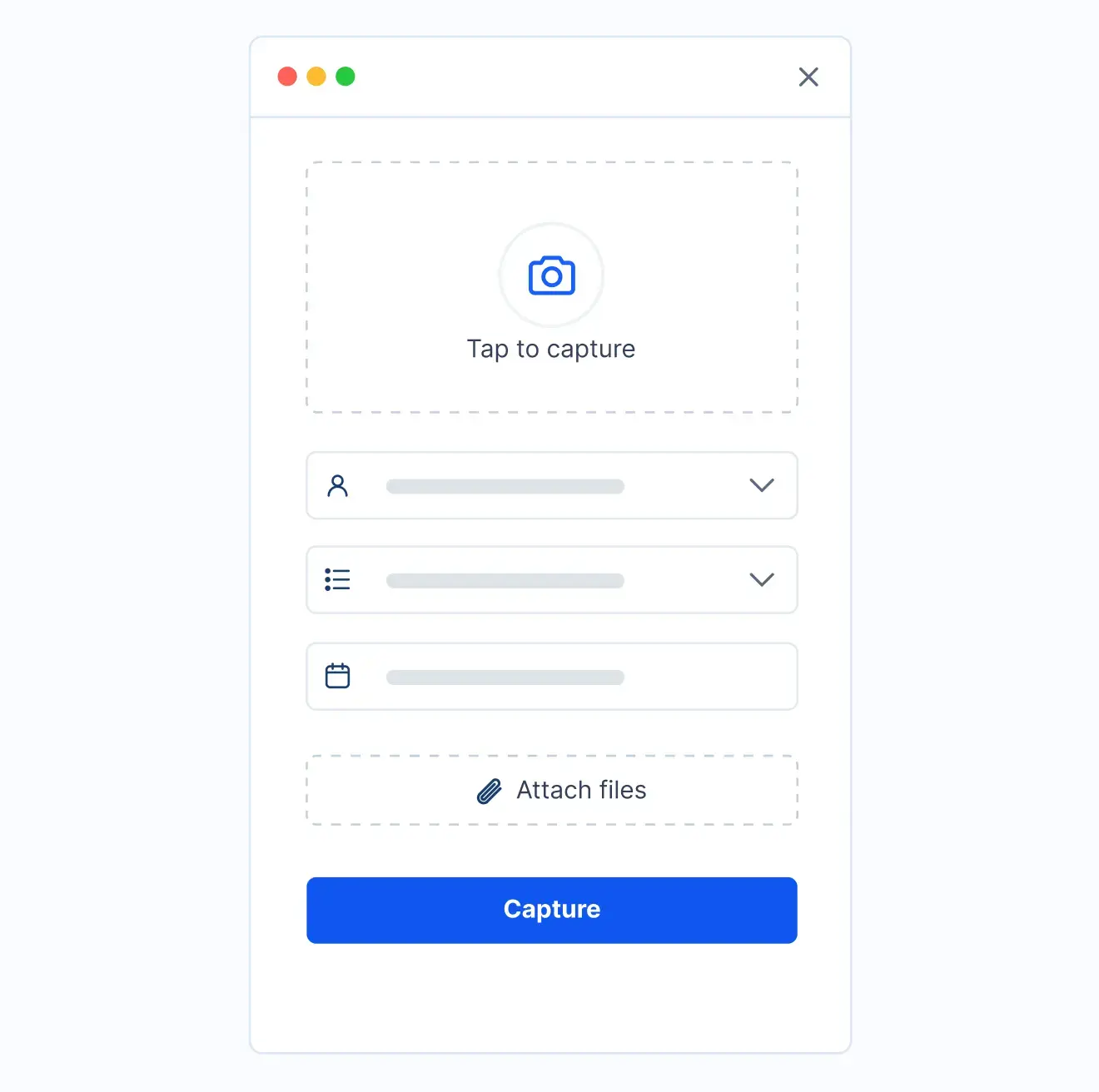
A stocking request is raised naming the part, the equipment it serves, and the reason for holding it, with specification and supplier detail captured up front.
Review
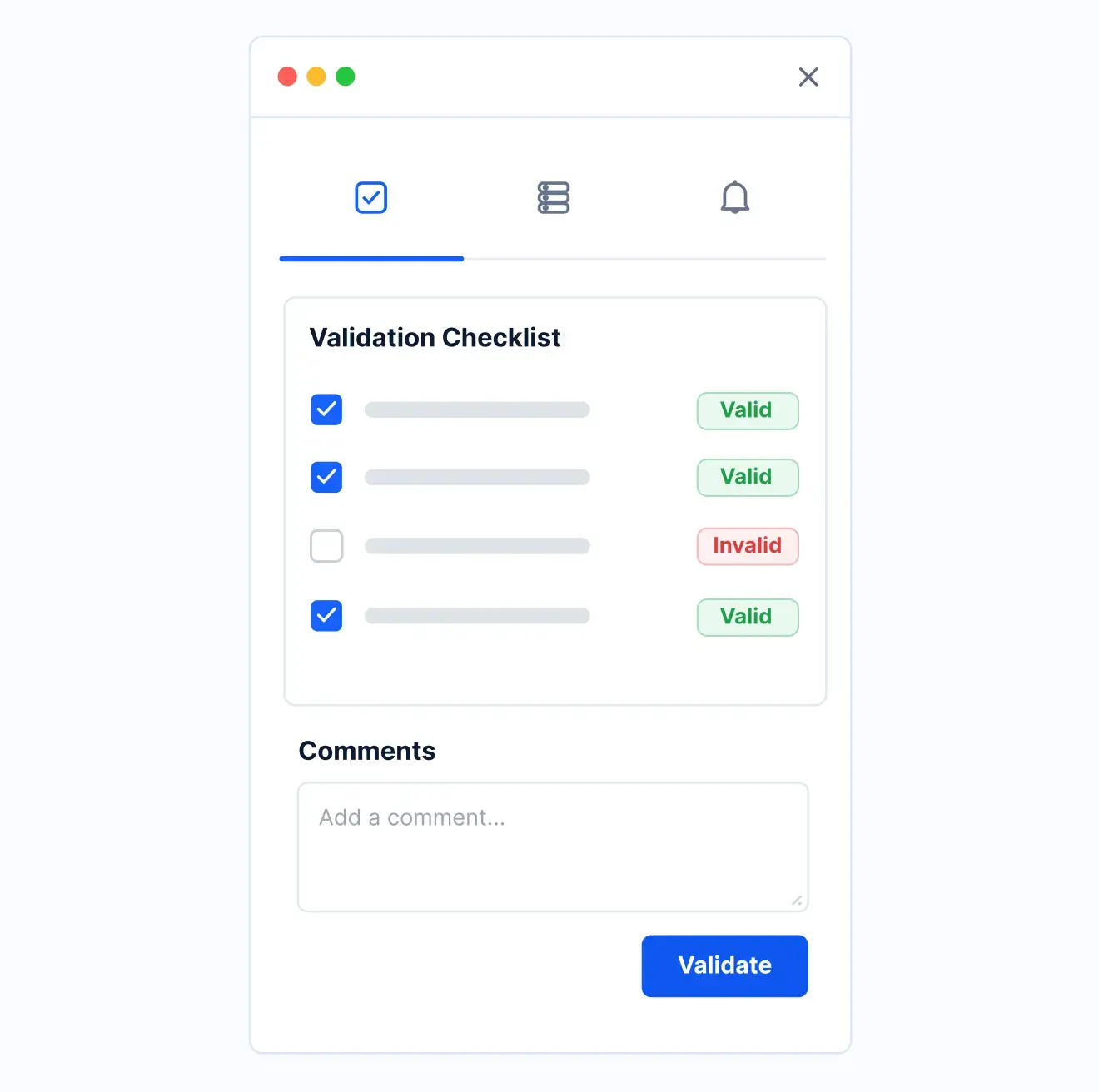
Criticality, outage consequence, lead time, consumption history, existing stock, and alternatives are assessed, producing a stated risk position rather than an opinion.
Approve
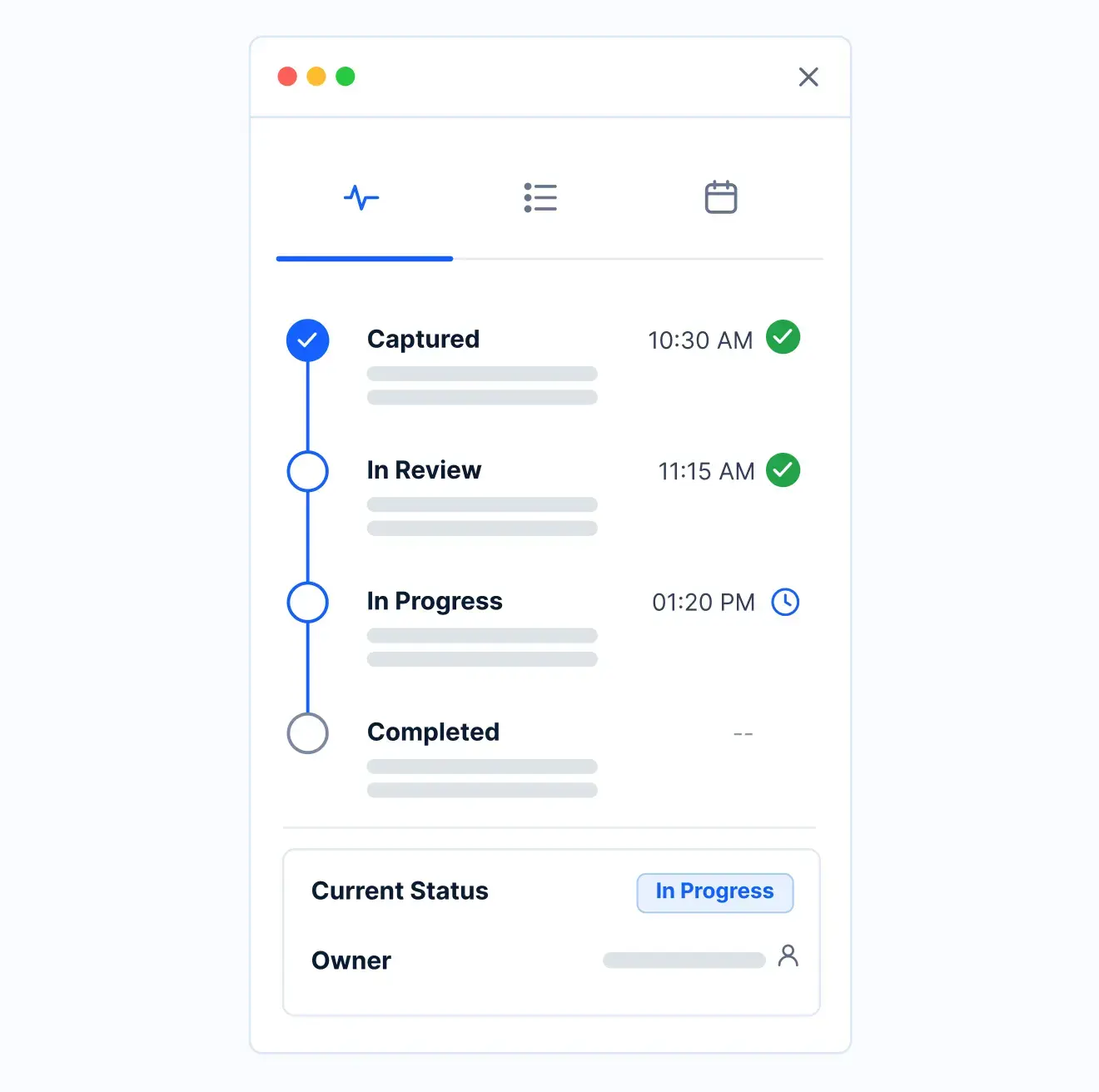
Financial approval routes on value thresholds with the risk position attached, and the decision is made with its basis and a review date recorded.
Record
The approved stocking decision hands off to the inventory system with levels, storage, and preservation requirements, and the holding decision is retained for review.
What changes when critical spare decisions run on Kissflow
| Process | Before Kissflow | On Kissflow |
|---|---|---|
| Request basis | An engineer's judgment in an email | A structured request with criticality and consequence |
| Risk position | Implicit | Stated as outage consequence and duration |
| Alternatives | Rarely considered | Pooling, supplier holding, and repair reviewed |
| Financial approval | Weighs price against a verbal case | Weighs working capital against a stated risk |
| Decision record | Lives in the approval email | Retained with its basis against the part |
| Review | Held indefinitely by default | Revisited on a review date |
Connects to the systems your operation already runs on
.svg)



.svg)
.svg)
.svg)
.svg)

.svg)
.svg)
.svg)
.svg)
.svg)

.svg)

.svg)

.svg)
.svg)
.svg)
.svg)
.svg)
.svg)
.svg)
.svg)
.svg)

.svg)
Built for a decision that finance and reliability have to make together
The risk position is stated
Outage consequence and duration are on the request, so approval is a trade rather than a price judgment.
Alternatives before stock
Pooling, supplier holding, and repair capability are reviewed before working capital is committed.
Holdings get reviewed
A review date means a spare held for equipment that has since been replaced does not stay on the shelf by inertia.
A decision layer, not an inventory system
Your inventory system holds stock, levels, and transactions. Kissflow runs the holding decision and its justification.
Governed from day one
Single sign-on, role-based access, and a timestamped audit log are how the app is built. Kissflow runs in the business-process layer, segmented from the OT and control network.
Live in weeks, not a program
Configure in the visual builder, or describe the strategy and let the AI Builder generate the app. Delivery moves from weeks to days.
Related apps
Backlog clearance prioritizer
Decide which corrective backlog work enters the next window on criticality and risk.
Safety critical equipment compliance
Hold the verification and performance-standard status of every safety critical element, with impairment tracked on record.
Critical equipment downtime log
Log equipment downtime events with reason coding, tiered escalation, and availability reporting.
We help reliability and finance leaders make the spares trade explicit
.gif)

“If a company cannot enable everybody to use AI, they will never get the true benefit of AI. Platforms like Kissflow allow us to put that capability in the hands of our users in a safe way.”
Vagesh Dave
GVP & CIO at McDermott International, Ltd
See The Full Story

“Advanced automation of all processes is easy to set up. I cannot imagine how to manage workflows without this software.”
Tanay Tiwary
Global Head - Digitalization & Business Improvement
See the Full Story

“Kissflow supports rapid application development by building a working application prototype in the shortest amount of time.”
Maria Theresa Cabigon
CIO, SN Aboitiz Power Group
See The Full Story
See what Kissflow can do for you
Talk to usGot questions? We're here to help.
Get SupportIt routes requests to stock a critical spare through equipment criticality and outage consequence assessment, lead-time and alternatives review, and financial approval, recording the holding decision with its basis and a review date.
No. Your inventory system holds stock, levels, and transactions. Kissflow runs the decision about what should be held and why, and hands the approved outcome across with levels and storage requirements.
Because the right answer changes. Equipment populations change, lead times move, and assets approach end of life. Without a review date, spares stay on the shelf by inertia rather than by decision.
Pooling arrangements with other sites or operators, supplier holding agreements, and in-house or third-party repair capability are all reviewed before working capital is committed to a shelf.
Yes. Fields, categories, routing rules, and escalation thresholds are configured by the process owner in the visual builder, and every change is written to the same audit log as a manual edit.
No. Kissflow runs in the business-process layer alongside the systems you already own and connects to them through APIs and integration connectors. It does not replace your EHS suite, your ERP, or your maintenance system, and it does not operate inside the control system.
No. Kissflow AI maps natural language to platform metadata and produces an inspectable blueprint, so every app is auditable and the process owner can maintain it.
Kissflow is certified to SOC 1, SOC 2, SOC 3, ISO/IEC 27001, HIPAA, GDPR, and CCPA, hosted on Google Cloud with data residency in the US, EU, APAC, and Oceania.