Lifting Plan Review and Approval App for High-Risk Lifts
Kissflow routes a lift plan from submission through rigging engineer review, HSE and site approval, and execution readiness, with load, crane, and rigging detail attached to the record and a full audit log ready before any reviewer ever has to ask for it.
Trusted by energy operators worldwide






A crane chart pinned to a noticeboard does not prove the lift under it was actually reviewed against that chart.
A significant or high-risk lift, a load near the crane's rated capacity, a lift over live equipment, a multi-crane pick, carries consequences a routine lift does not, and the plan behind it needs a rigging engineer's calculation check and a site-specific HSE sign-off before the crane moves. When that review happens over email attachments and a printed plan handed around a site office, tracking which version was approved, and whether every condition on it was met, depends on someone remembering to check.
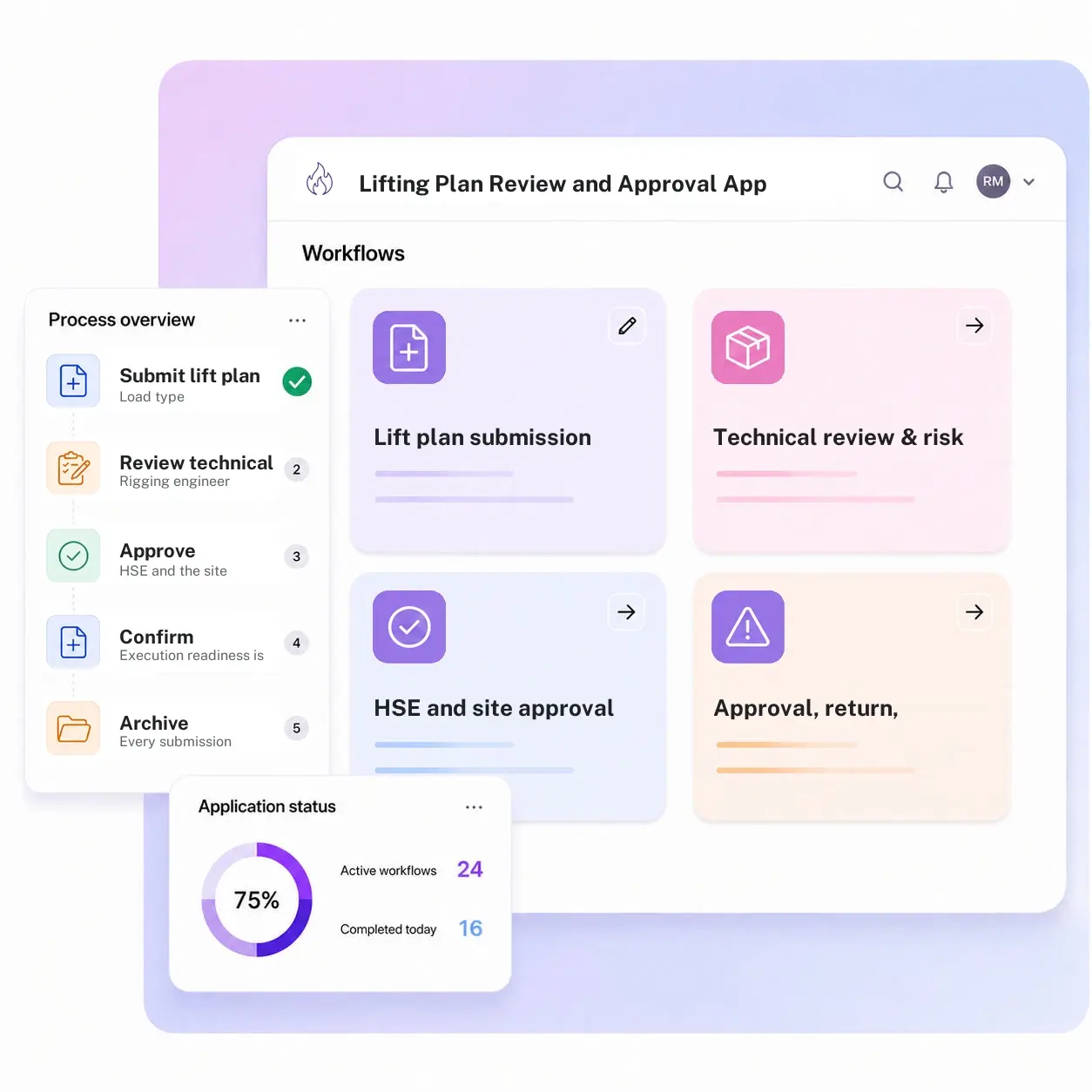
Kissflow runs the lift plan as a governed record instead of a document emailed around. A field engineer submits load type, crane specification, and lifting method with supporting documents attached, a rigging engineer reviews the calculations and safety factors, and HSE and the site manager approve or return the plan with comments before execution is authorized. Every plan carries a full audit log, and a higher risk category escalates automatically rather than moving through the same path as a routine lift. Your permit-to-work and site systems remain the system of record for work authorization; this is where the lift plan gets reviewed, approved, and proven.
Where a lift plan's review gets lost between submission and the crane moving
Lift plans circulate as email attachments
A rigging engineer reviews whatever version was last emailed, with no guarantee it is the one the crew has on site.
Risk categorization is left to judgment in the field
Nothing in the plan itself flags that a lift needs the extra scrutiny a critical or multi-crane pick requires.
HSE and site approval happen out of sequence
A plan sometimes reaches execution readiness before every required sign-off has actually cleared it.
The audit trail is reconstructed after the fact
Proving which version was reviewed and approved means digging through old emails once a reviewer asks for it.
Six modules. From lift plan submission through execution readiness, in one connected app.
Configure risk categorization rules and escalation paths per lift type or crane class.
Lift plan submission
A field engineer enters load type, crane specification, and lifting method, with supporting documents attached.
Technical review and risk validation
A rigging engineer reviews calculations and safety factors before the plan advances toward site approval.
HSE and site approval
HSE officers and the site manager validate controls and access before the lift is authorized to proceed.
Approval, return, and execution readiness
A plan is approved for execution or returned with comments, with readiness confirmed before the crane moves.
Scheduling and SLA tracking
Lifts are scheduled against site availability, with SLA tracking flagging any approval running behind.
Audit log and compliance dashboard
Every submission, review, and approval is logged, giving a full record ready for a compliance review at any time.
From request to system of record in four steps
Submit
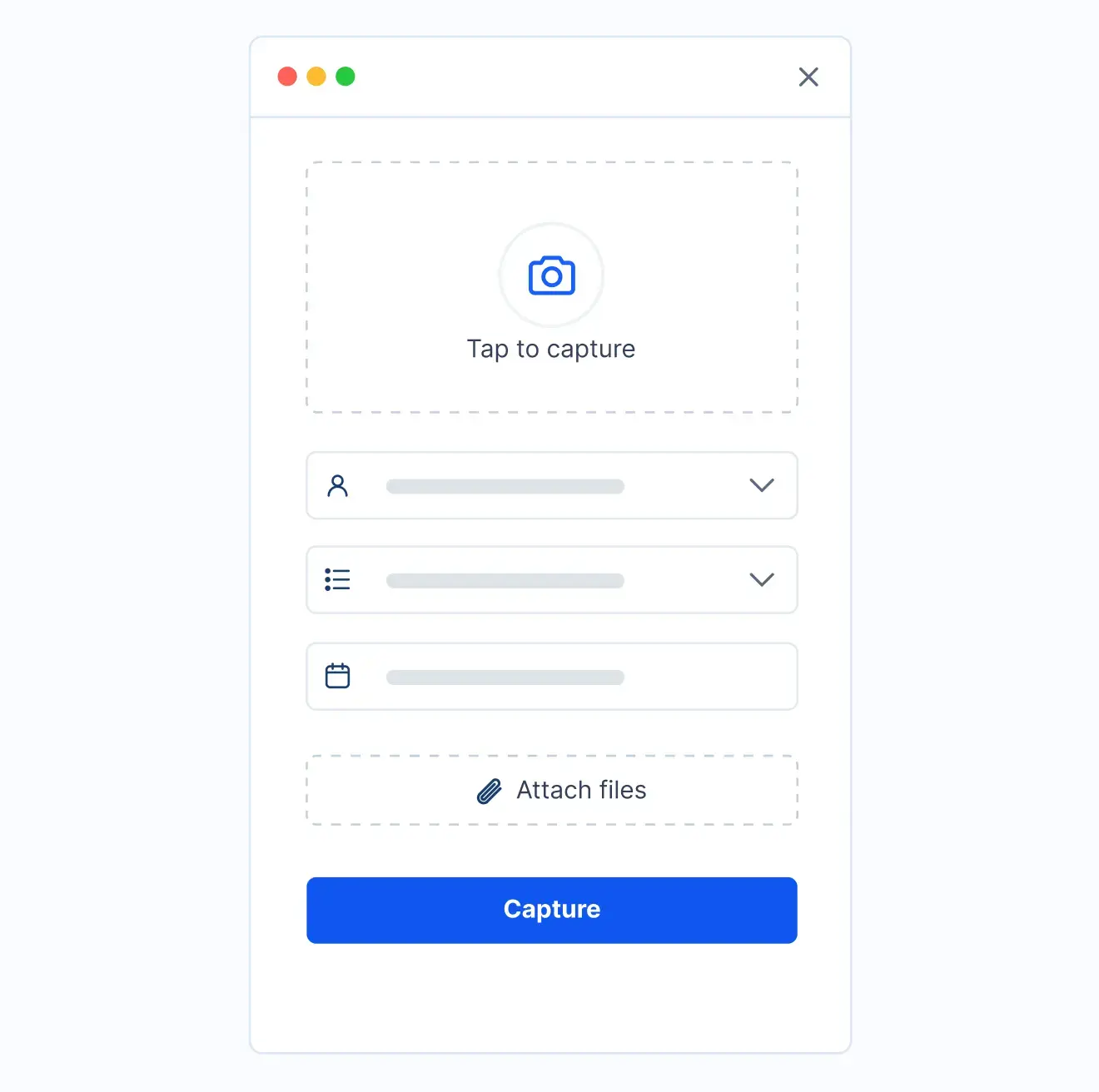
Load type, crane specification, and lifting method are entered with supporting documents attached.
Review
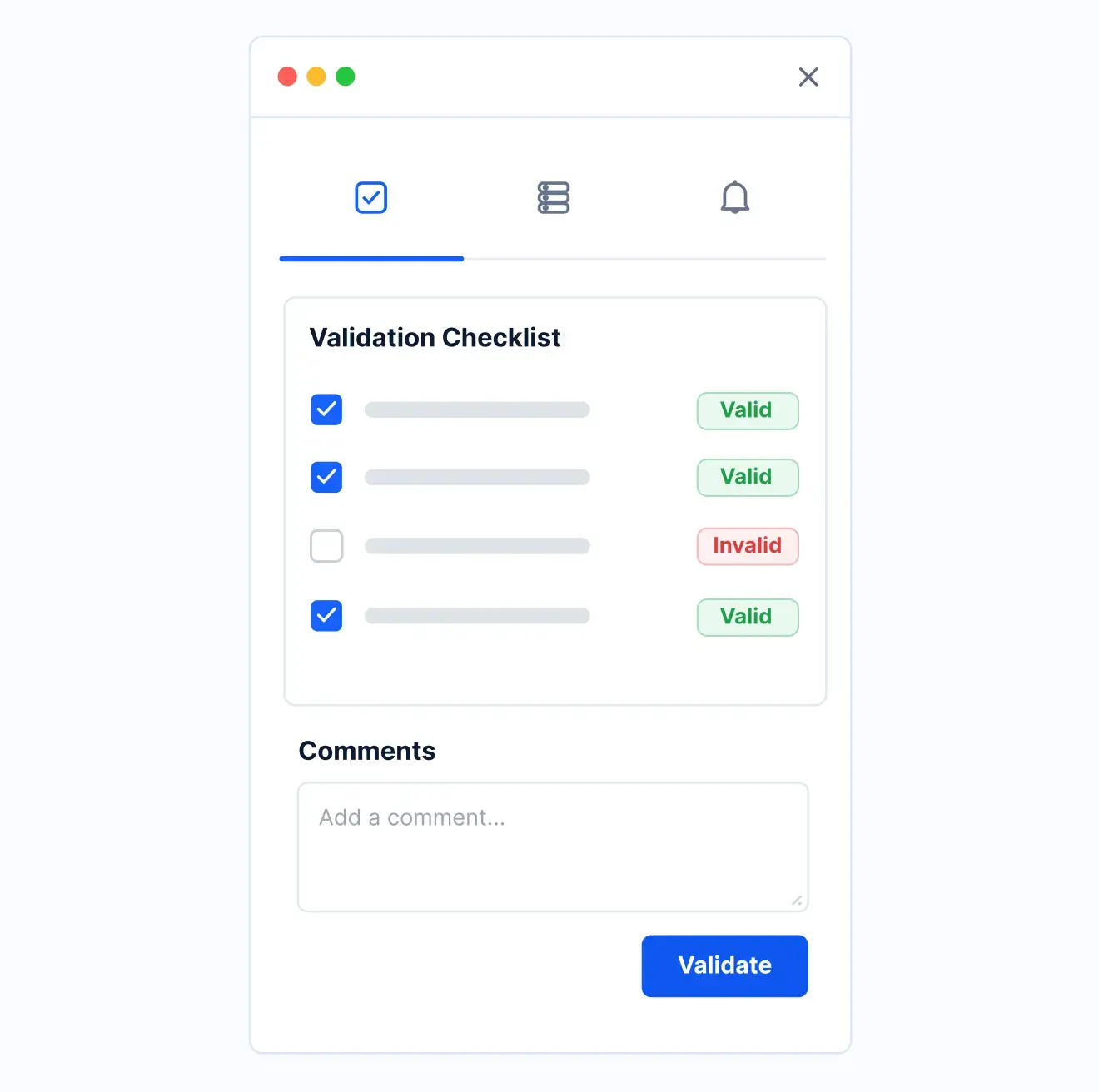
A rigging engineer checks calculations and safety factors before the plan moves toward approval.
Approve
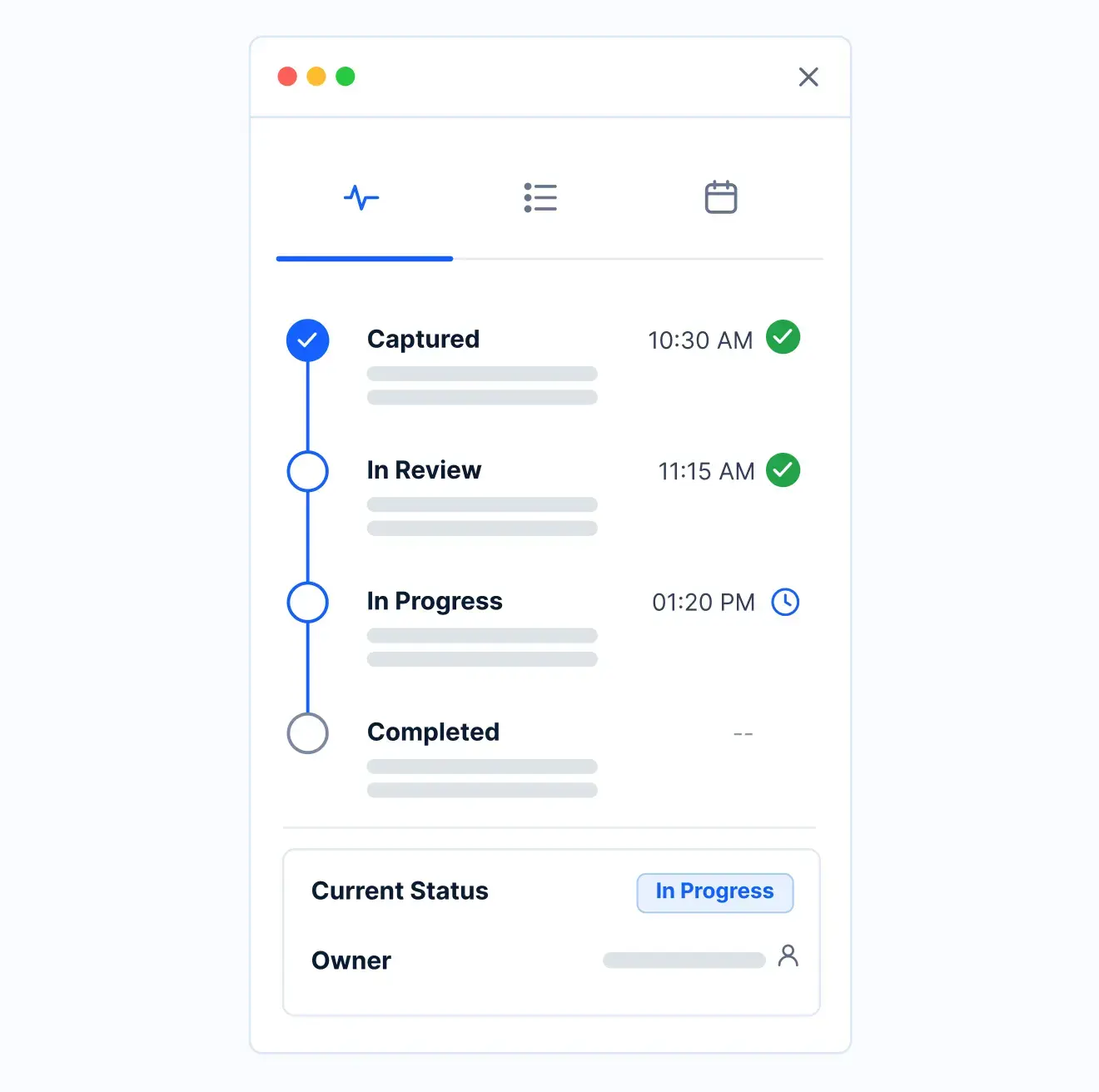
HSE and the site manager approve or return the plan with comments before execution is authorized.
Record
Execution readiness is confirmed, and the full review and approval record is logged for the audit trail, ready before any reviewer has to ask.
What changes when lift plan review runs on Kissflow
| Process | Before Kissflow | On Kissflow |
|---|---|---|
| Plan version control | Whichever version was last emailed to the reviewer | One governed record every reviewer works from |
| Risk categorization | Left to judgment in the field, not flagged in the plan | Applied automatically, escalating a critical lift's review |
| Approval sequence | Sign-offs can clear out of order or get skipped | Enforced in sequence before execution readiness is confirmed |
| Returned plans | Comments live in a separate email thread | Attached directly to the plan record for resubmission |
| Scheduling | Coordinated by phone against site availability | Scheduled against the record with SLA tracking on approval |
| Audit trail | Reconstructed from emails when a reviewer asks | A complete log ready before any review begins |
Feeds your permit-to-work and site systems; Kissflow does not authorize physical work
Kissflow runs the lift plan submission, technical review, and approval workflow, and hands off an approved plan to your permit-to-work and site systems for the actual work authorization.
.svg)



.svg)
.svg)
.svg)
.svg)

.svg)
.svg)
.svg)
.svg)
.svg)

.svg)

.svg)

.svg)
.svg)
.svg)
.svg)
.svg)
.svg)
.svg)
.svg)
.svg)

.svg)
Built so a high-risk lift never moves on an unreviewed plan
Technical review before site approval
A rigging engineer checks calculations and safety factors before HSE or the site manager ever sees the plan.
Higher-risk lifts escalate automatically
A critical or multi-crane pick routes for extra scrutiny on its own, not by relying on someone flagging it.
SLA tracking on every approval stage
A plan sitting too long at any review stage surfaces before it becomes a delay at the crane.
Live in weeks
Configure risk categorization and escalation rules in the visual builder, or describe them to the AI Builder.
Governed from day one
Role-based access and a full audit trail on every lift plan, review, and approval.
One view for planners, engineers, and HSE
Every lift plan's current stage is visible in one place, not scattered across separate reviewer inboxes.
Related apps
Hot Work Permit Management System
Runs the same submit, review, approve, and time-bound closure pattern for hot work rather than lifting operations.
LOTO / Energy Isolation Management System
Covers energy isolation authorization, often coordinated alongside a lift plan on the same job site.
Confined Space Entry Permit Management System
A related high-risk work authorization workflow, sharing the same review-then-approve structure as lift plans.
We help rigging and HSE teams stop reviewing whichever lift plan version was last emailed
.gif)

“If a company cannot enable everybody to use AI, they will never get the true benefit of AI. Platforms like Kissflow allow us to put that capability in the hands of our users in a safe way.”
Vagesh Dave
GVP & CIO at McDermott International, Ltd
See The Full Story

“Advanced automation of all processes is easy to set up. I cannot imagine how to manage workflows without this software.”
Tanay Tiwary
Global Head - Digitalization & Business Improvement
See the Full Story

“Kissflow supports rapid application development by building a working application prototype in the shortest amount of time.”
Maria Theresa Cabigon
CIO, SN Aboitiz Power Group
See The Full Story
See what Kissflow can do for you
Talk to usGot questions? We're here to help.
Get SupportNo. Your permit-to-work and site systems remain the system of record for the actual work authorization. Kissflow runs the lift plan submission, technical review, and approval that feeds into it.
A higher-risk lift is categorized automatically and escalates for extra review, instead of relying on someone in the field to flag it.
A rigging engineer reviews load calculations and safety factors before the plan advances toward HSE and site approval.
It is returned with comments attached directly to the record, so the field team resubmits against clear feedback, not a separate email.
Yes. Readiness is confirmed as a distinct step after approval, before the plan is considered ready for execution.
Yes. SLA tracking flags an approval stage running behind schedule, surfacing delays before they hit the crane.
Yes. Blueprints, crane charts, certifications, and other supporting documents attach directly to the lift plan record.
Lift planners and field engineers, rigging engineers, HSE officers, site managers, and operations or project leaders.