PFMEA / DFMEA Management Software
A failure mode scored low risk on the FMEA two years ago, the process it describes has changed twice since, and the score on file has not moved with it. Kissflow keeps the failure mode register live: every score, action item, and re-evaluation tracked against the process as it exists today.

Trusted by leading manufacturers worldwide


A failure mode register that updates when the process does, not just when someone remembers to open the file
A failure mode scored low risk on the FMEA two years ago, the process it describes has changed twice since, a new tool, a different material, a revised sequence, and the score on file has not moved with it. Most PFMEAs and DFMEAs live as static spreadsheets, reviewed thoroughly once and revisited only when an audit or a customer asks, and a spreadsheet nobody reopens between audits is a risk register in name only.
Kissflow runs the FMEA as a living register: every function and failure mode is logged with its severity, occurrence, and detection scoring, the RPN calculates automatically, action items assign and track to closure, and any failure mode flags for re-evaluation when the process or design it describes changes. Every function, failure mode, and effect logs against the design or process it applies to, scored on severity, occurrence, and detection using your rating scale, with the risk priority number calculated automatically. High-risk modes above threshold get an action item with an owner and due date, tracked to closure, and the full history of every score and re-evaluation stays searchable for audit.
A static FMEA is a risk assessment for a process that no longer exists
Scores go stale
A failure mode's severity, occurrence, or detection score never gets revisited after the process it describes changes.
RPN calculations happen off to the side
Risk priority numbers get calculated in a spreadsheet disconnected from the action items meant to address them.
Action items lose an owner
A high-RPN action gets assigned in a review meeting and then loses momentum once the meeting ends.
Re-evaluation has no trigger
Nothing flags a failure mode for re-scoring when the process, tooling, or design it describes actually changes.
Six modules. Configurable to your operating model.
Every module ships with default forms, approval logic, integrations, and dashboards. Configure each one to your operating model in the visual builder.
Function & failure mode analysis
Logs every function, potential failure mode, and its effect, linked to the design or process it applies to.
Severity, occurrence & detection scoring
Scores each failure mode on severity, occurrence, and detection, using your defined rating scale and criteria.
Automatic RPN calculation
Calculates the risk priority number from the three scores and flags failure modes above your risk threshold.
Action planning & tracking
Assigns action items for high-risk failure modes and tracks them to closure, with an owner and due date.
Re-evaluation triggers
Flags a failure mode for re-scoring when the linked process or design changes, instead of waiting on a scheduled review.
Risk register & audit trail
Keeps the full history of every score, action, and re-evaluation, searchable for a customer or certification audit.
From request to system of record in four steps
Capture
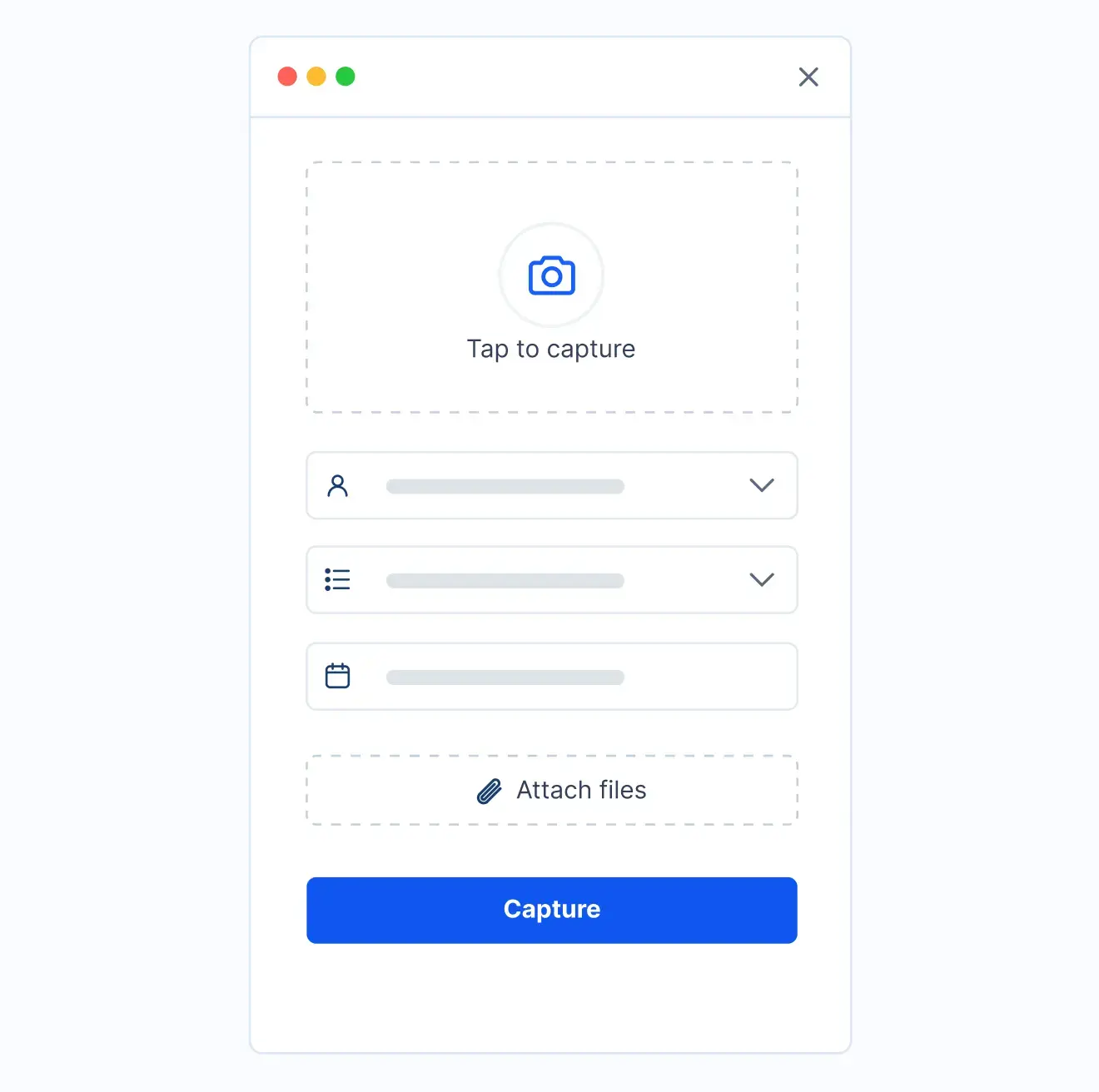
A function, failure mode, and effect are logged against the design or process they apply to.
Validate
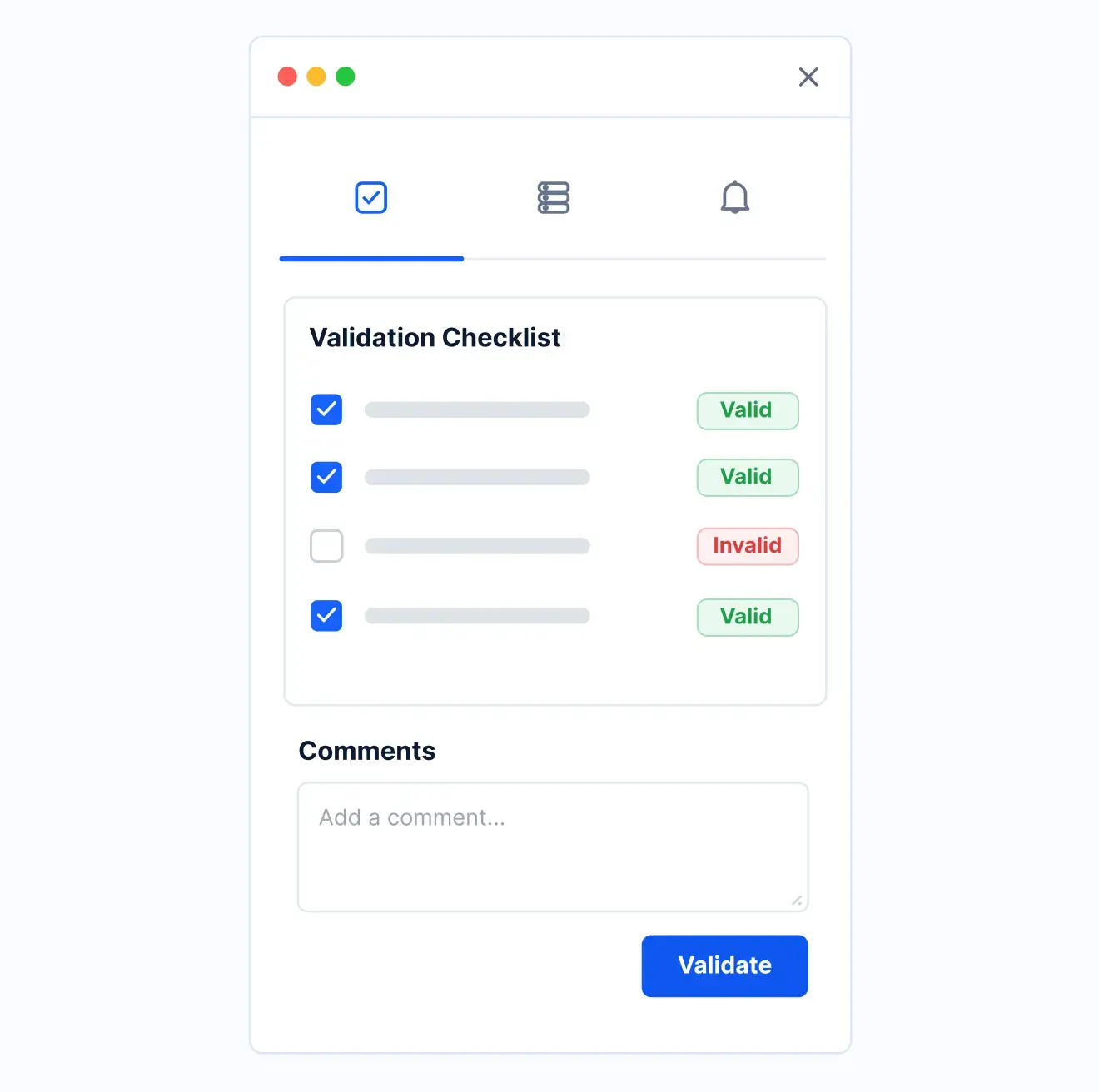
Severity, occurrence, and detection are scored, and the RPN is calculated automatically.
Track
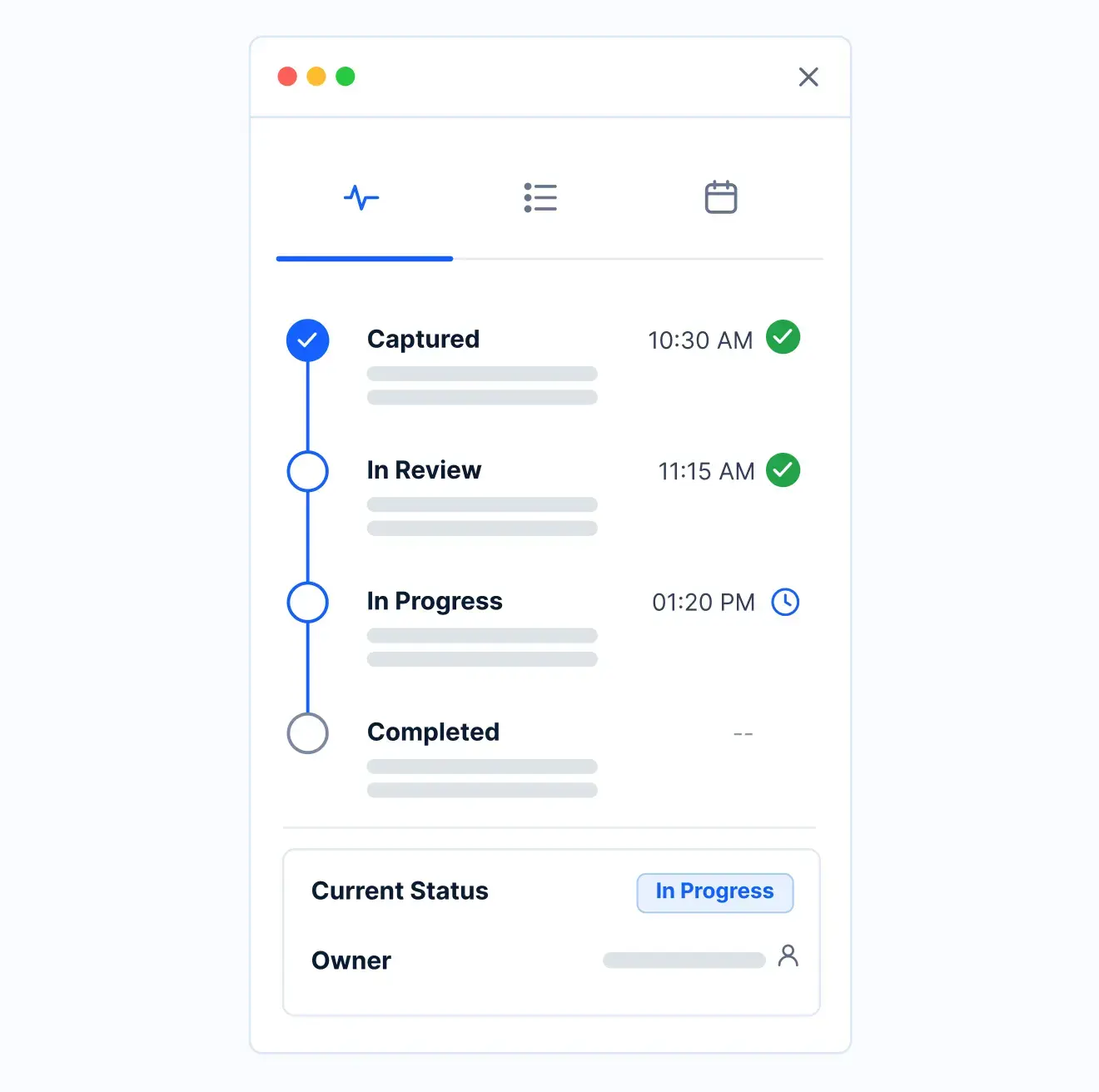
A high-risk failure mode gets an action item assigned to an owner with a due date and is tracked to closure.
Report
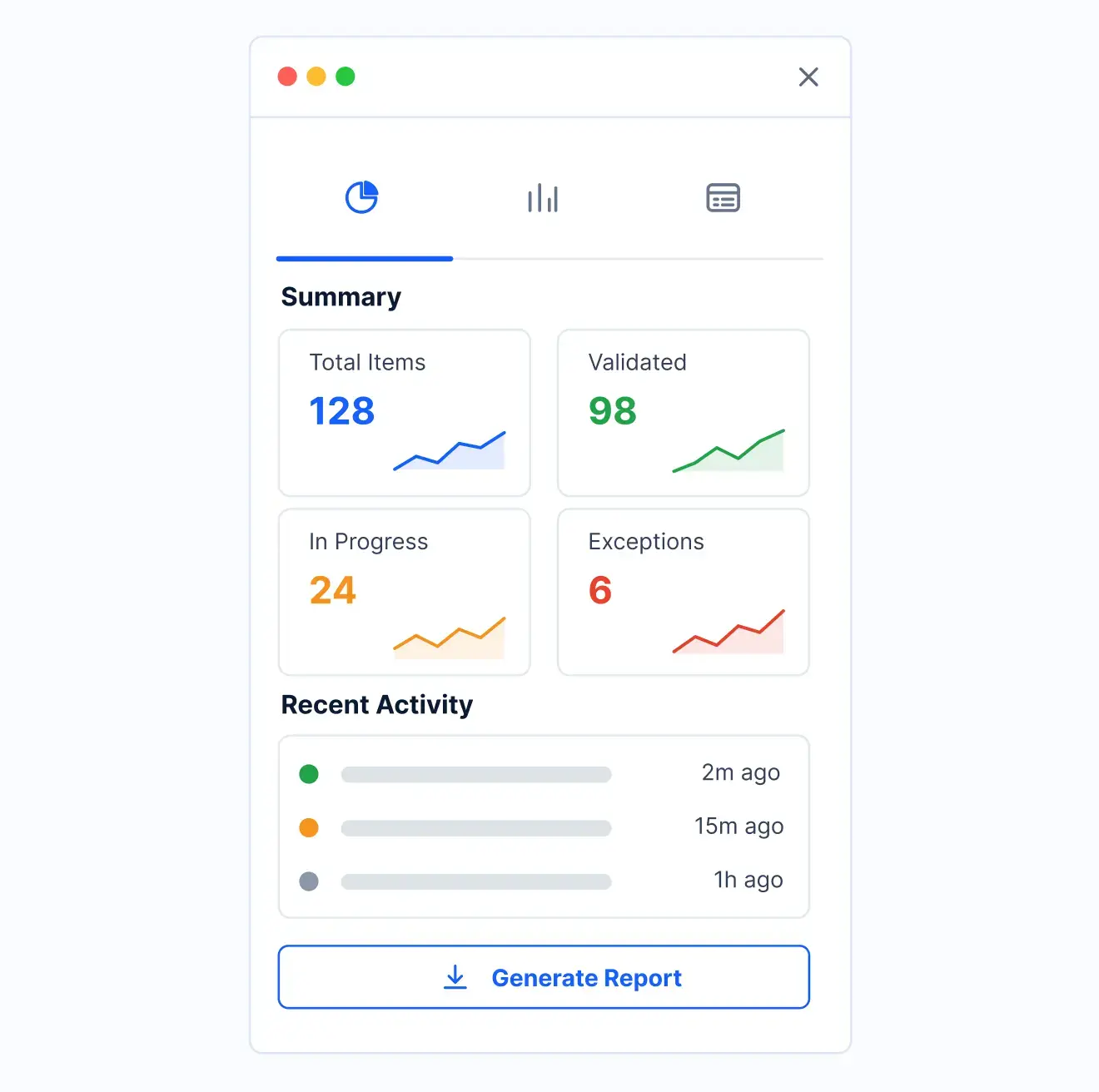
The register stays live as the system of record, with every failure mode re-scored when the process changes, so the risk picture reflects the process as it exists today.
What changes when PFMEA and DFMEA run on Kissflow
| Process | Before Kissflow | On Kissflow |
|---|---|---|
| Scores | Set once, rarely revisited | Flagged for re-evaluation when the process or design changes |
| RPN | Calculated in a disconnected spreadsheet | Calculated automatically and tracked against a risk threshold |
| Action items | Assigned in a meeting, tracked nowhere after | Assigned, owned, and tracked to closure |
| Register | A static document from the last formal review | A living register updated as the process changes |
| Audit readiness | Reconstructed from memory when a customer asks | Full score, action, and re-evaluation history on file |
| Linkage to the process | The FMEA and the process it describes drift apart | Failure modes stay linked to the process or design they apply to |
Connects to the PLM and quality systems that hold your process and design change records
.svg)



.svg)
.svg)
.svg)
.svg)

.svg)
.svg)
.svg)
.svg)
.svg)

.svg)

.svg)

.svg)
.svg)
.svg)
.svg)
.svg)
.svg)
.svg)
.svg)
.svg)

.svg)
Built for keeping a failure mode register live, not a document from the last audit
Re-evaluation triggered by real change
A failure mode gets flagged for re-scoring when the process or design it describes actually changes.
RPN calculated automatically
No disconnected spreadsheet. Scores roll straight into the risk priority number and threshold flag.
Action items with real ownership
Every high-risk action has an assigned owner and due date, tracked to closure.
A complete, audit-ready history
Every score, action, and re-evaluation is on record, not reconstructed from memory before an audit.
Live in weeks, not a re-implementation
Configure scoring scales, thresholds, and action routing in the visual builder without a quality platform overhaul.
Linked to the control plan it feeds
High-risk failure modes and their controls carry straight through to the control plan, instead of being re-typed.
Related apps
Control Plan Management
Carry high-risk failure modes and their controls straight into the control plan that governs the process going forward.
APQP (Advanced Product Quality Planning)
Track the FMEA as one of the required deliverables inside the broader gated product launch program.
PPAP Submission Management
Include the current FMEA as a required element in a part's PPAP submission package.
We help manufacturers keep failure mode risk scores as current as the process they describe
.gif)

“If a company cannot enable everybody to use AI, they will never get the true benefit of AI. Platforms like Kissflow allow us to put that capability in the hands of our users in a safe way.”
Vagesh Dave
GVP & CIO at McDermott International, Ltd
See The Full Story

“Advanced automation of all processes is easy to set up. I cannot imagine how to manage workflows without this software.”
Tanay Tiwary
Global Head - Digitalization & Business Improvement
See the Full Story

“Kissflow supports rapid application development by building a working application prototype in the shortest amount of time.”
Maria Theresa Cabigon
CIO, SN Aboitiz Power Group
See The Full Story
See what Kissflow can do for you
Talk to usGot questions? We're here to help.
Get SupportYes. The same register structure supports process FMEAs and design FMEAs, with fields and scoring scales configurable to each.
A recurring review cycle you define, plus any linked process or design change, a new tool, material, or method, that should prompt a re-score.
You set the risk priority number threshold above which a failure mode requires an action item. Failure modes above it are flagged automatically.
This app analyzes and scores failure mode risk. The Control Plan app documents the ongoing controls and reaction plans for the characteristics that risk analysis identifies as critical.
Yes. Quality engineers configure scoring scales, thresholds, and action routing in the visual builder, and the AI Builder can generate a working app from a plain-language description.
Through APIs and integration connectors, under single sign-on and role-based access, with every action written to an audit log.
Configuration and AI generation move delivery from weeks to days, without a multi-year platform program or an engineering backlog.
Kissflow is certified to SOC 1, SOC 2, SOC 3, ISO/IEC 27001, HIPAA, GDPR, and CCPA, hosted on Google Cloud with data residency in the US, EU, APAC, and Oceania.