FERPA Records Release and Consent Management
Kissflow keeps a central consent record for every FERPA release, directory-information opt-outs, parent access waivers, third-party disclosure authorizations, linked to a request and disclosure workflow with renewal alerts, so a release decision is checked against consent on file instead of assumed.

Trusted by leading universities worldwide






FERPA does not ban disclosure. It bans disclosure without consent on file, which is a different, and much more common, way to get it wrong.
Most FERPA problems on a campus aren't a registrar deliberately releasing something they shouldn't. They're a disclosure that goes out because whoever handled the request didn't know a consent had expired, didn't know a student had opted out of directory information, or assumed a legitimate educational interest exception applied when it didn't quite fit the request. The rule itself is well understood; keeping every release decision checked against the actual consent on file, across every office that handles education records, is the part that breaks down.
A FERPA consent isn't one document. It's a directory-information opt-out a student can file any term, a written authorization for a parent or third party to access specific records, a release tied to a specific request from an employer or another institution, each with its own scope and its own expiration. When that consent lives in a filing cabinet or a note in the SIS only the registrar checks, any other office handling a records request, financial aid, the dean of students, an academic department, has no reliable way to check it before responding.
Kissflow builds this as a governed consent register: a central record of every active consent and its scope, linked request forms so a records release routes through a consent check before anything goes out, role-based access so only offices with a legitimate need can see a given record, renewal and expiry alerts before a consent lapses, and a disclosure log that shows what was released, to whom, and under what authorization.
What breaks when consent isn't checked centrally
Consent lives in a filing cabinet
A written authorization or directory opt-out is only as useful as whoever remembers to check it before a release.
Every office handles requests differently
Financial aid, the registrar, and an academic department each field records requests with no shared consent check.
Expired consent doesn't flag itself
A release can go out on an authorization that lapsed without anyone noticing.
There's no disclosure log to point to
If a release is ever questioned, reconstructing what was disclosed, to whom, and why takes real digging.
Six modules. Built for consent that has to be checked, not assumed.
Every module ships with default forms, routing, and dashboards. Configure each one to your consent and release policy in the visual builder.
Central consent record
Maintains every active FERPA consent, directory opt-outs, written authorizations, and their scope, in one place.
Linked release request intake
Captures a records request and checks it against the consent record before it can proceed.
Consent validation
Confirms a release matches an active, in-scope consent before disclosure.
Renewal and expiry alerts
Flags a consent nearing expiration before a release relies on one that's lapsed.
Role-based access
Limits who can view or act on a given consent record to offices with a legitimate need.
Disclosure log
Retains a record of what was released, to whom, and under what authorization.
From request to system of record in four steps
Capture
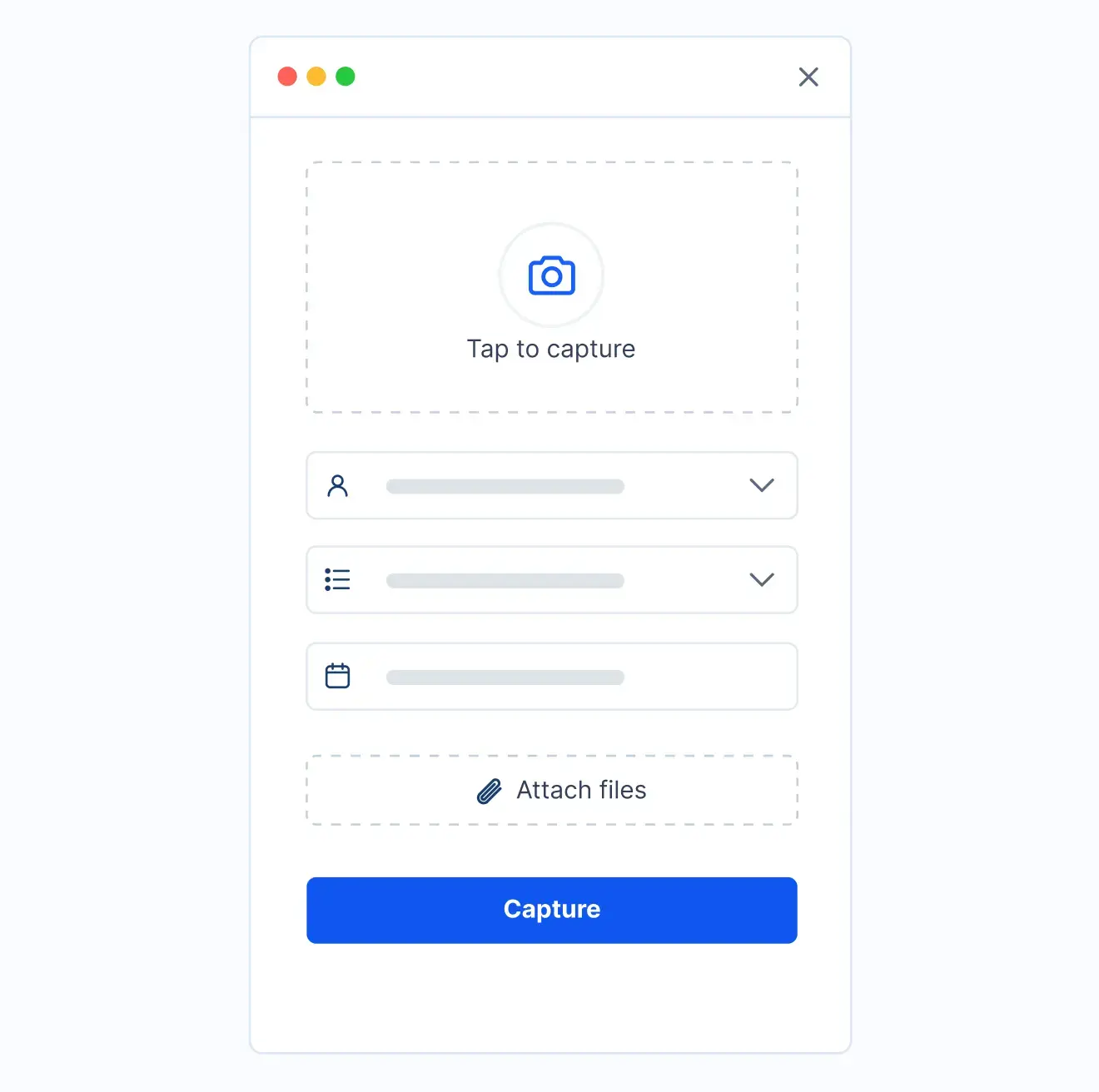
A directory-information opt-out, parent access waiver, or third-party disclosure authorization is captured on the central consent record.
Validate
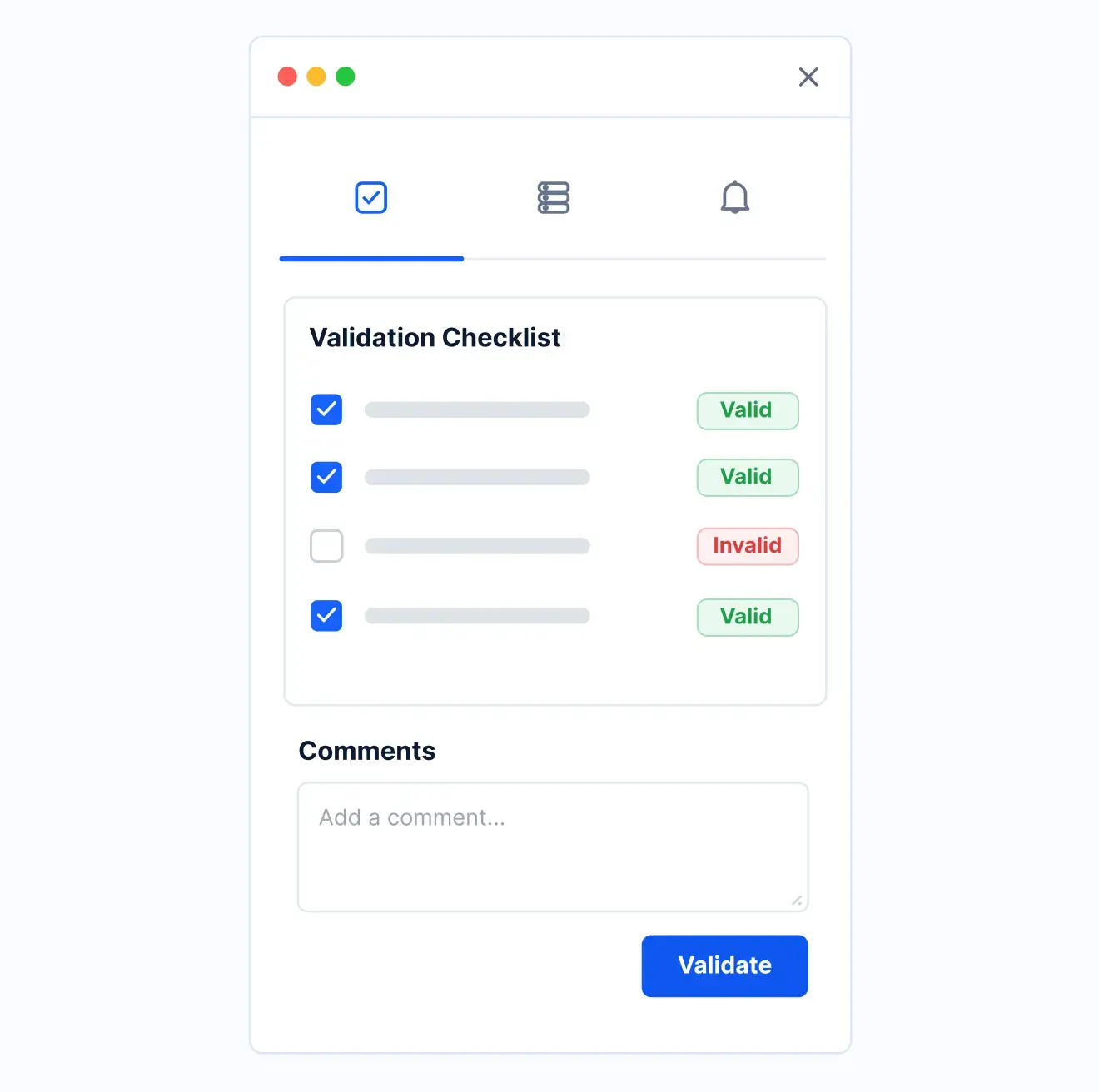
An office's records-release request is checked automatically against consent on file, proceeding only if it matches an active, in-scope consent.
Track
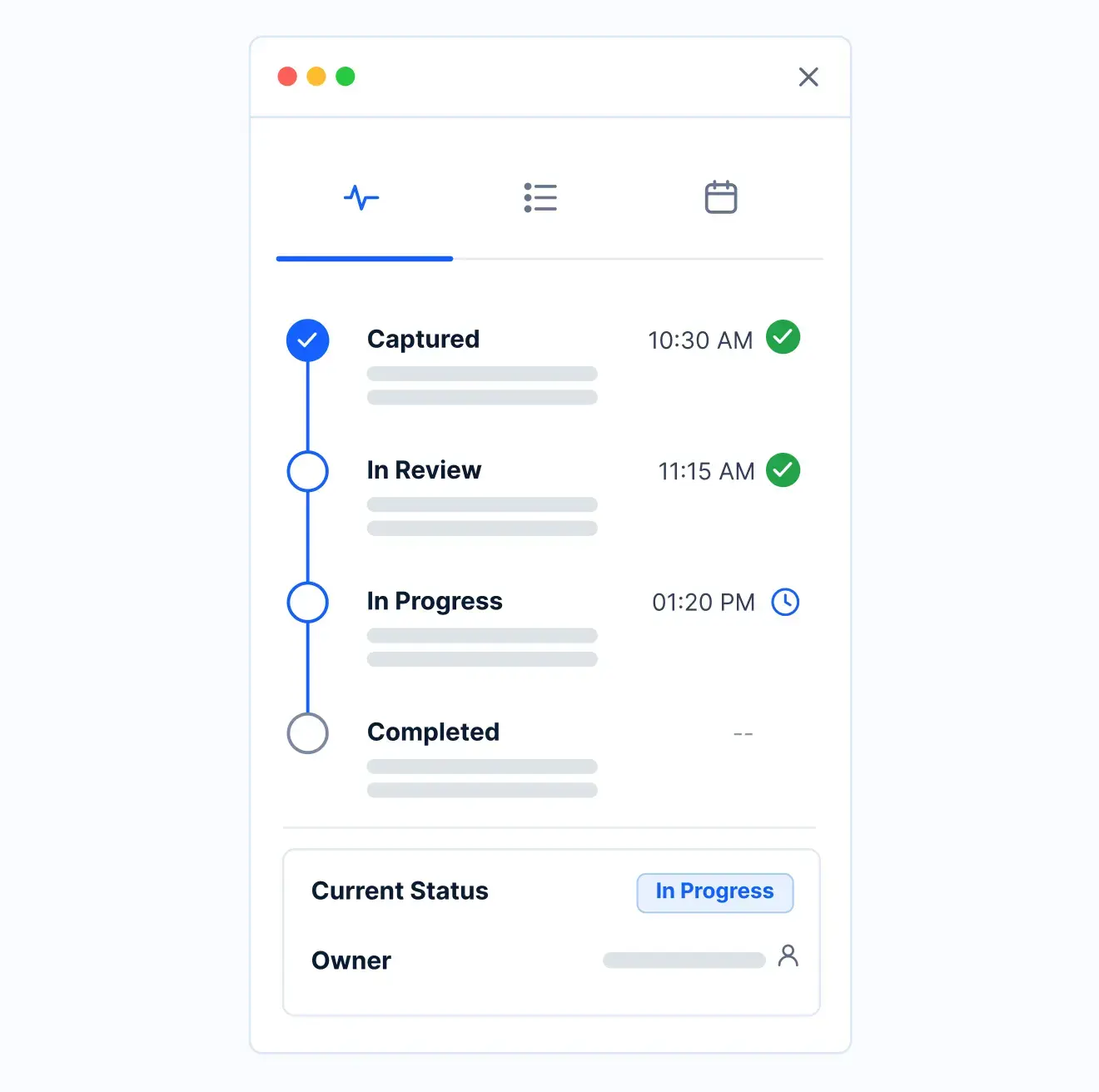
Each disclosure is logged against the consent record, and consent is tracked forward with an alert before it lapses.
Report
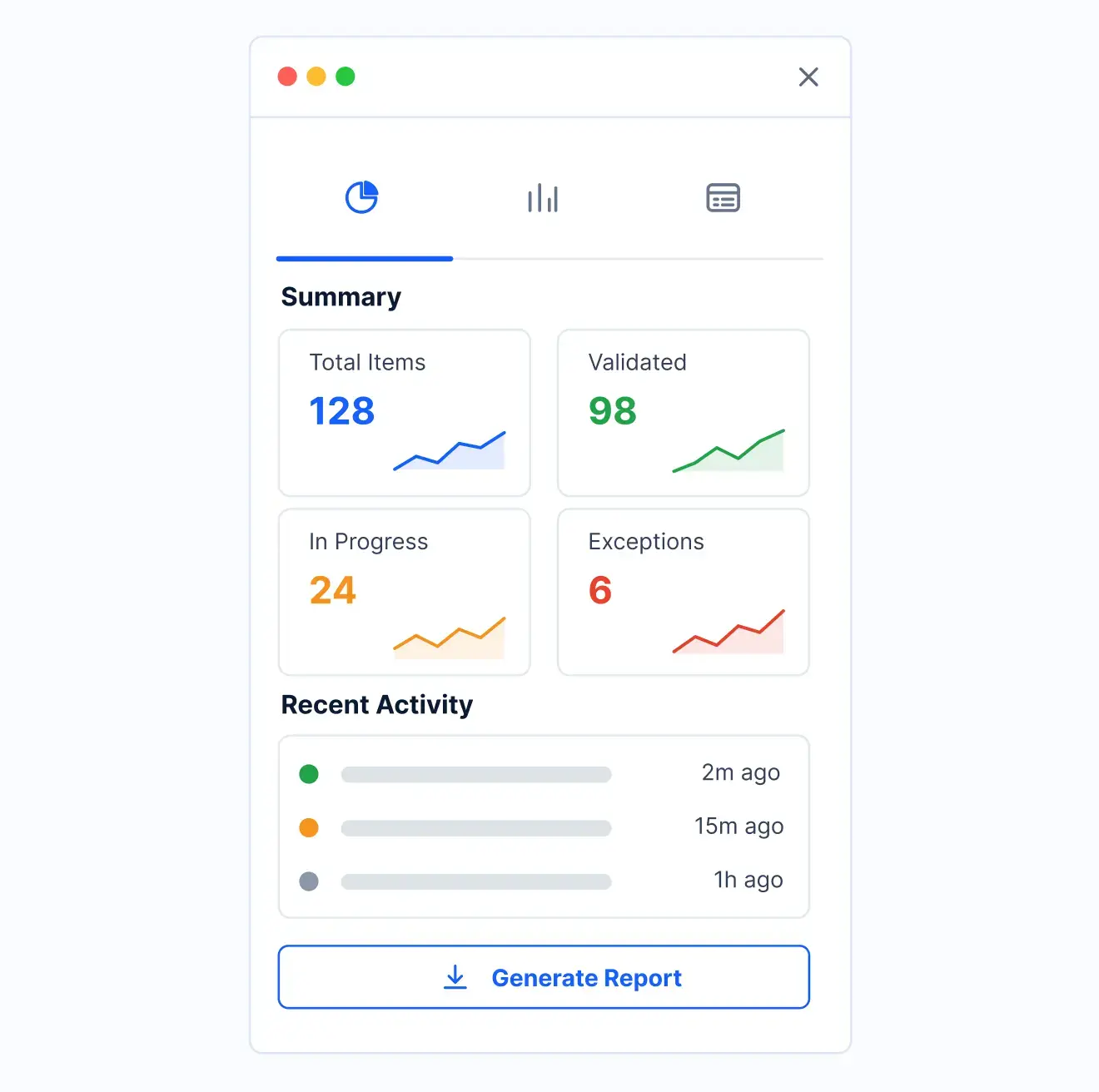
The consent record is the system of record, so a release decision is checked against it instead of assumed, and disclosures report from it.
What changes when FERPA consent runs on Kissflow
| Process | Before Kissflow | On Kissflow |
|---|---|---|
| Consent record | Filed in a cabinet or an SIS note | Centralized and checked before every release |
| Release request | Handled differently by every office | Routed through the same consent check |
| Expired consent | Discovered after a release goes out | Flagged before it lapses |
| Disclosure record | Reconstructed if questioned | Logged at the time of release |
| Access to consent data | Open to whoever can find the file | Role-based, limited to offices with a need |
| Compliance review | Assembled under pressure | Available on demand from the disclosure log |
Connects to your SIS; the SIS stays the enrollment record
Kissflow does not replace your SIS or serve as the legal record of enrollment. It is the consent and disclosure layer that any office handling a records request checks before releasing anything.
.svg)



.svg)
.svg)
.svg)
.svg)

.svg)
.svg)
.svg)
.svg)
.svg)

.svg)

.svg)

.svg)
.svg)
.svg)
.svg)
.svg)
.svg)
.svg)
.svg)
.svg)

.svg)
Built for consent that has to be checked, not assumed
One consent record, every office
Directory opt-outs and authorizations are centralized instead of siloed by office.
Every release checked against consent
Disclosure only proceeds when it matches what's actually on file.
Alerts before a consent lapses
An expiring authorization surfaces before a release relies on it.
A disclosure log ready for review
What was released, to whom, and why is retained automatically.
Live in weeks
The registrar's office configures consent records and request routing in the visual builder.
Access limited to a legitimate need
Only offices with a documented reason can view a given consent record.
Related apps
Transcript Request & Verification Management System
A frequent trigger for a FERPA consent check, when a third party requests a transcript.
International Student & SEVIS Compliance
A different disclosure regime with its own consent and reporting requirements, handled separately from general FERPA releases.
Disability Services / ADA Accommodation Case Management
Where a related but distinct consent, for medical documentation, is managed under its own process.
We help registrars check consent before a release, not after
.gif)

“If a company cannot enable everybody to use AI, they will never get the true benefit of AI. Platforms like Kissflow allow us to put that capability in the hands of our users in a safe way.”
Vagesh Dave
GVP & CIO at McDermott International, Ltd
See The Full Story

“Advanced automation of all processes is easy to set up. I cannot imagine how to manage workflows without this software.”
Tanay Tiwary
Global Head - Digitalization & Business Improvement
See the Full Story

“Kissflow supports rapid application development by building a working application prototype in the shortest amount of time.”
Maria Theresa Cabigon
CIO, SN Aboitiz Power Group
See The Full Story
See what Kissflow can do for you
Talk to usGot questions? We're here to help.
Get SupportNo. It centralizes consent across every office that handles records requests and checks each release against it, beyond whatever flag your SIS carries.
Directory-information opt-outs, written third-party authorizations, and consent tied to a specific request, each with its own scope and expiration.
Yes. Financial aid, the registrar, an academic department, or any office handling education records can check consent before responding to a request.
An alert flags it before it lapses, so a release doesn't go out on an authorization that's no longer valid.
Yes, with what was released, to whom, and under what authorization, retained for compliance review.
Yes, in the visual builder, with the AI Builder able to generate a starting workflow from a description of your consent and release process.
Access is role-based, limited to offices with a documented, legitimate need.
Yes. Kissflow is certified to SOC 1, SOC 2, SOC 3, and ISO/IEC 27001, and supports HECVAT review.