AI-Powered Enterprise Low-Code Platform

Kissflow vs. OutSystems: How They Compare

With Kissflow, you can change a rule, an approval, or a workflow directly, and it goes live in days.


5star

4.5/5

By signing up, I accept the Kissflow Terms of Service and Privacy Policy.

Trusted by leading enterprises

Motorola Solutions
NBC Universal
Southers Glazers
Essilor Luxottica
University of Michigan
NielsenIQ

The OutSystems problem

01_every_change_is_a_project 2
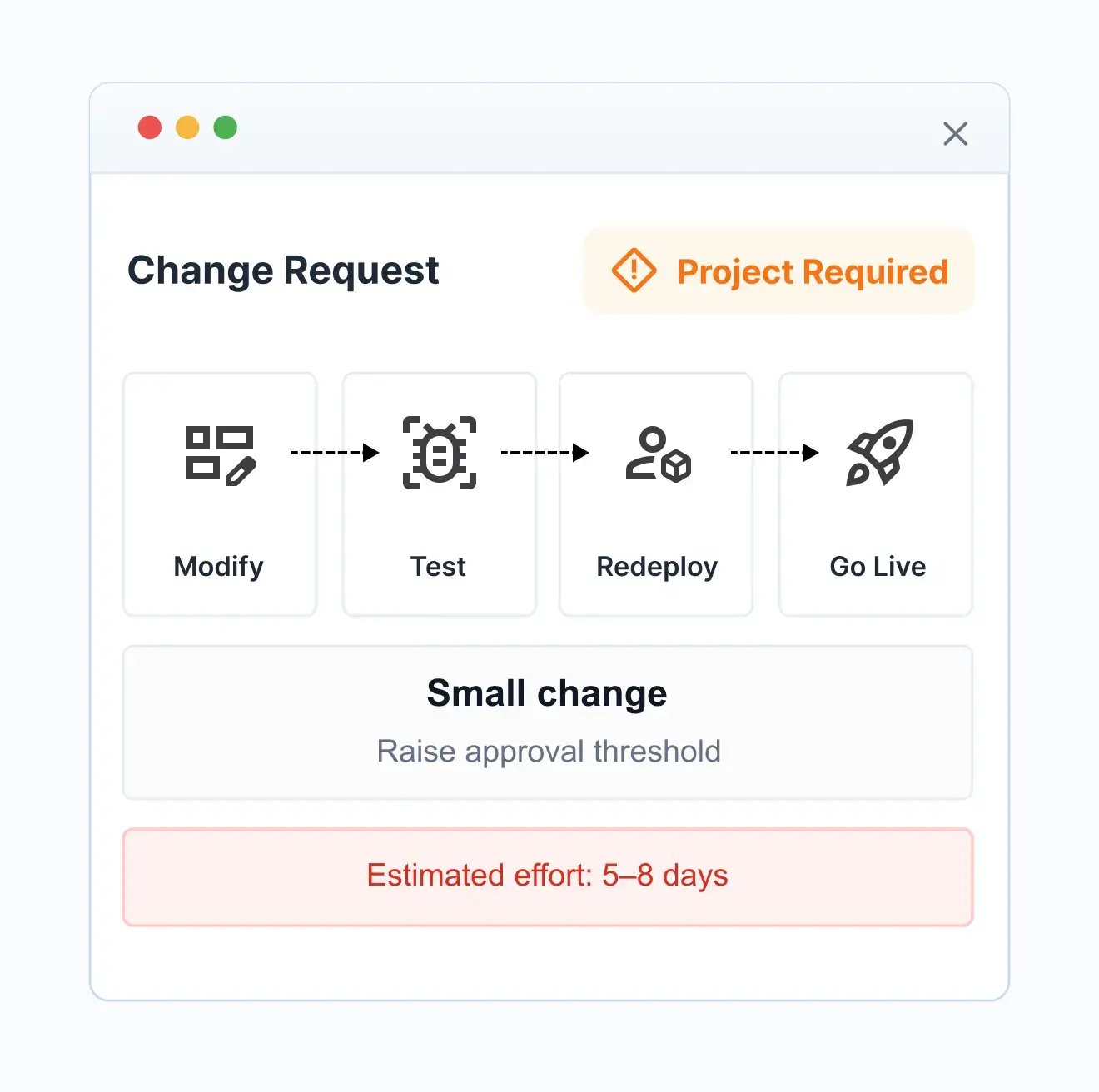
Every change is a project.

A simple update, such as raising an approval threshold, still goes through modify, test, and redeploy.
02_developers_own_everything 3
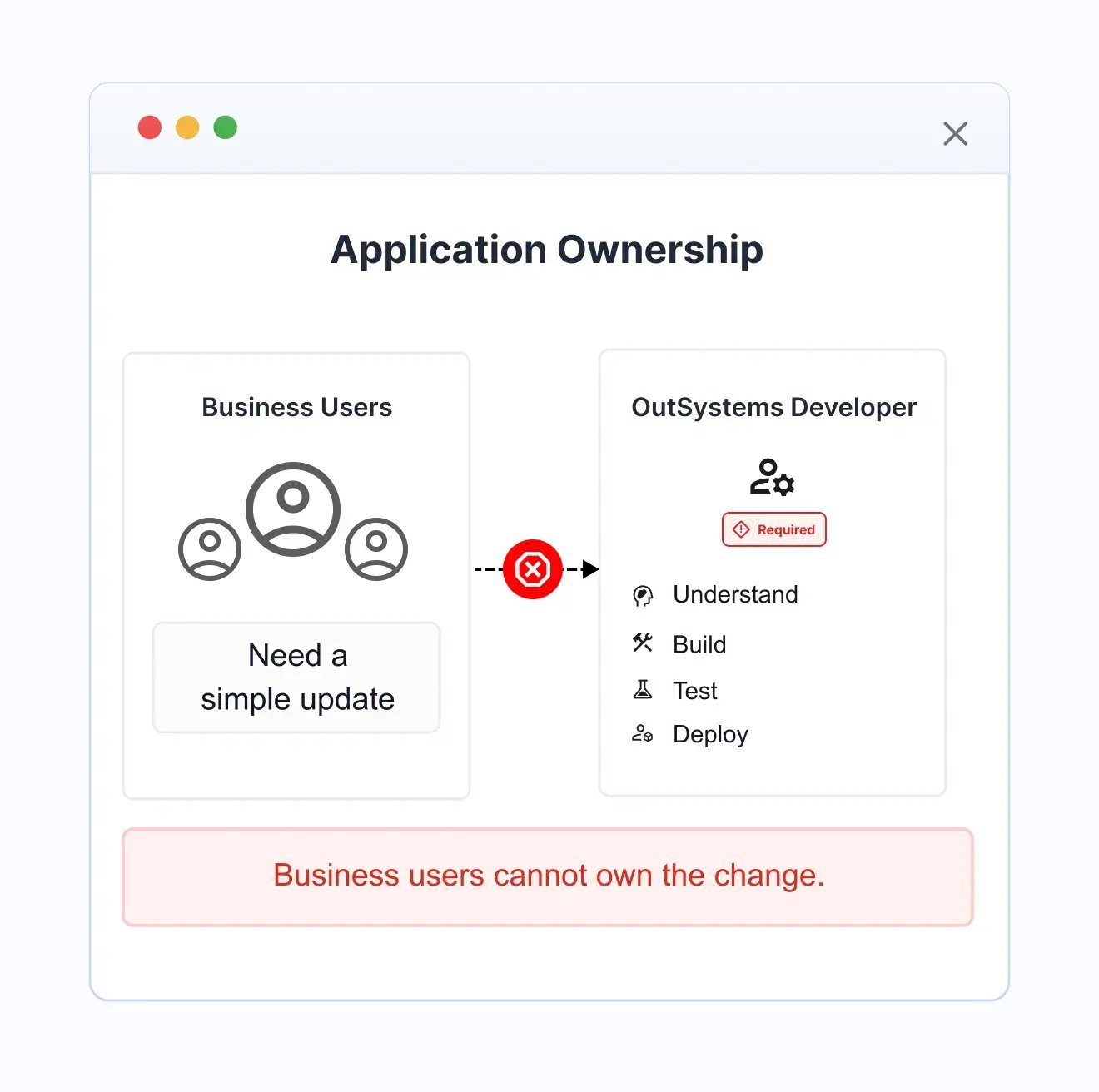
Developers own everything

Building and changing apps requires trained OutSystems developers, so the people closest to the process never own the change.
03_cost_scales_with_aos 2
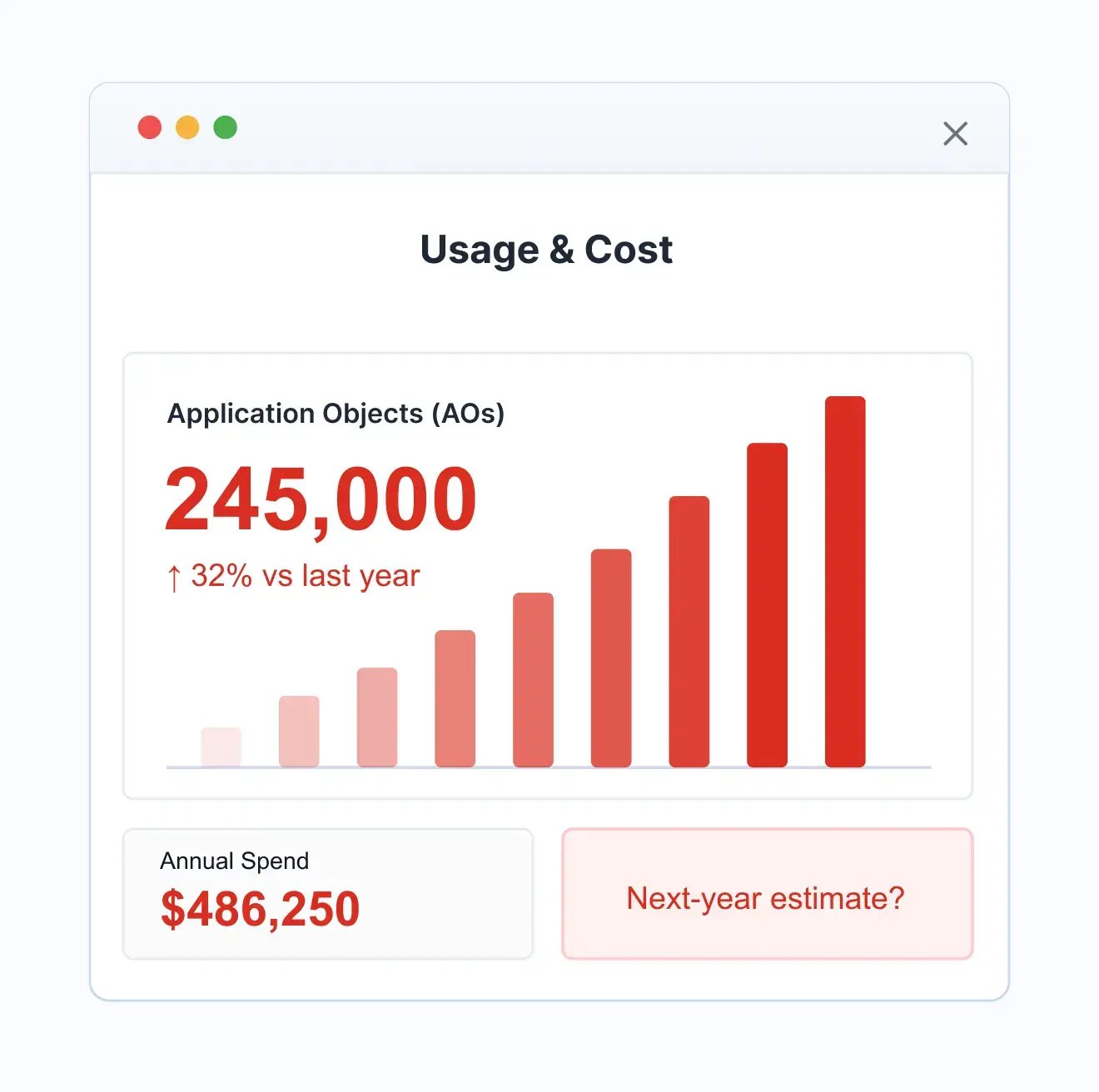
Cost scales with Application Objects (AOs)

As you add apps and complexity, spending climbs, and forecasting the next year's expenditure gets harder.
04_execution_lives_inside_apps 2
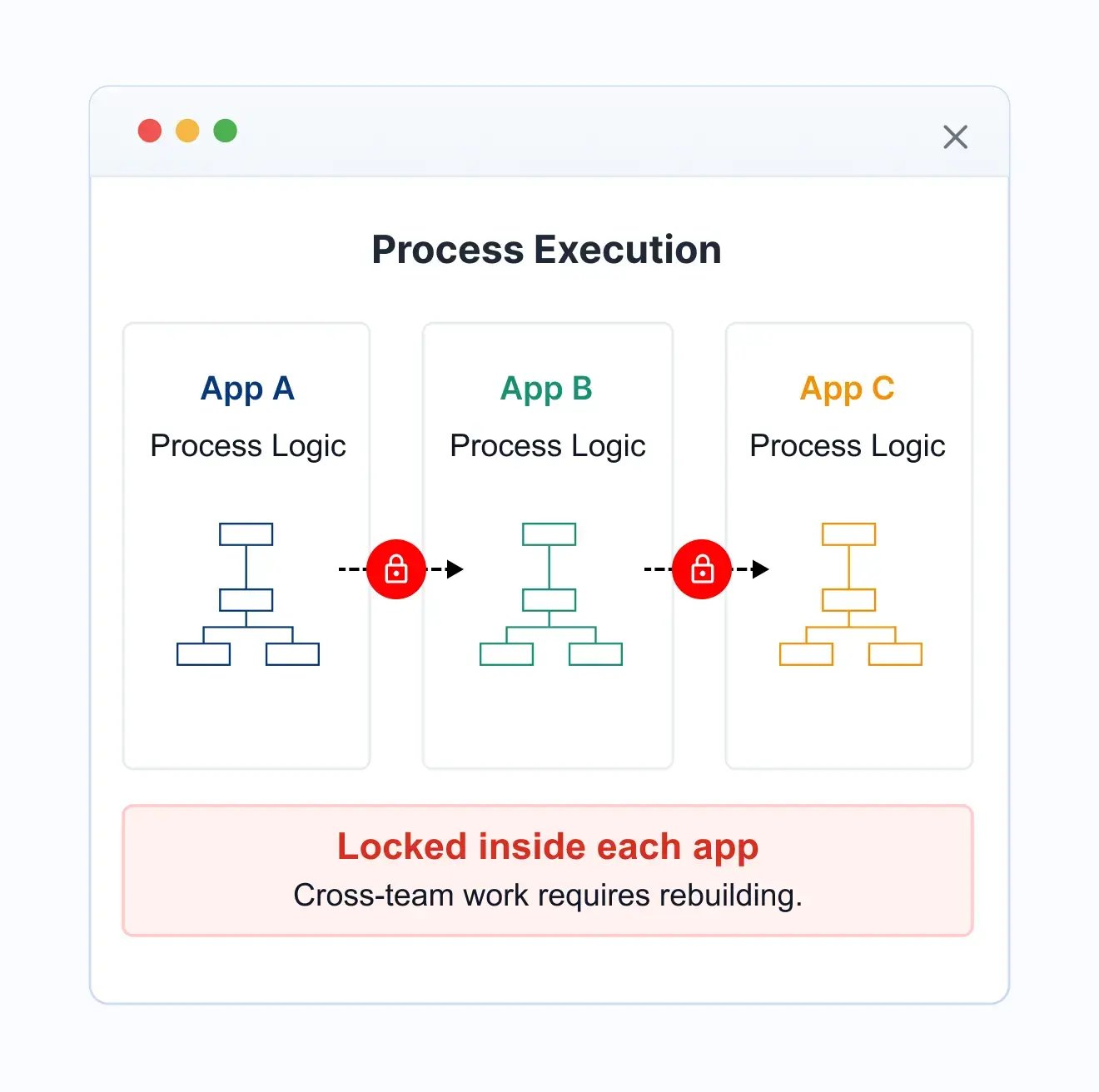
Execution lives inside applications.

Process logic is locked inside each app. Work that spans teams means rebuilding the app, not just configuring the change.


How they
actually compare

What matters most
Kissflow
OutSystems
Core model
Execution-first: configure how work runs across teams
Application-first: build and deploy applications
Who builds
Business and IT, on the same platform
Professional developers
Changing logic
Update rules and workflows directly
Modify, test, and redeploy through a release cycle
Data and forms
Built in, tied to the process
Modeled as part of the application architecture
External portals
Built in
Built as part of the application UI
Governance
Native: role-based access, audit trails, and monitoring inside execution
Managed through application lifecycle tooling
AI
AI builds fully configurable apps; business and IT both own the result
AI generates code and agents; OutSystems developers are still required
Pricing
User-based, predictable as you scale
Cost scales as more Application Objects (AOs) are used
What matters most Kissflow OutSystems
Core model Execution-first: configure how work runs across teams Application-first: build and deploy applications
Who builds Business and IT, on the same platform Professional developers
Changing logic Update rules and workflows directly Modify, test, and redeploy through a release cycle
Data and forms Built in, tied to the process Modeled as part of the application architecture
External portals Built in Built as part of the application UI
Governance Native: role-based access, audit trails, and monitoring inside execution Managed through application lifecycle tooling
AI AI builds fully configurable apps; business and IT both own the result AI generates code and agents; OutSystems developers are still required
Pricing User-based, predictable as you scale Cost scales as more Application Objects (AOs) are used

Kissflow is built for execution clarity

AI-led

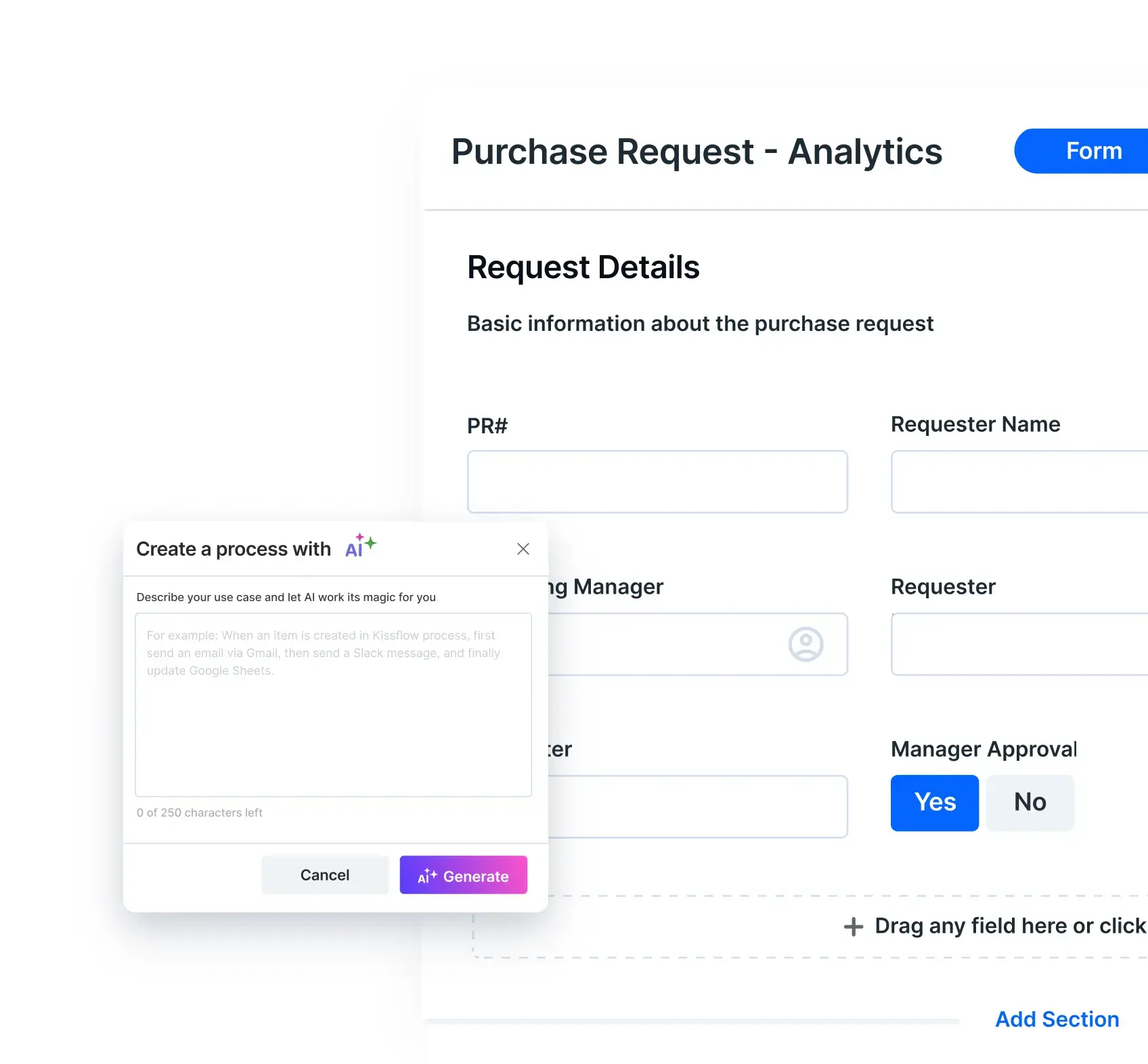
Build with AI, refine visually

  • Describe a process in plain language, and AI generates a deterministic blueprint covering data, pages, roles, and workflows
  • Refine every step in the visual builder with no proprietary language to maintain
  • Add parallel branches, conditional steps, and dynamic assignments
  • Set SLAs, trigger notifications, and govern data visibility
AI-led
Workflow and case management

Run work across teams, not inside one app

  • Design step-based workflows with SLAs, escalations, and conditions
  • Manage cases natively with queues, assignment, states, and tracking
  • Configure roles, visibility, and approvals at the process level
  • Change rules and routing without a release cycle
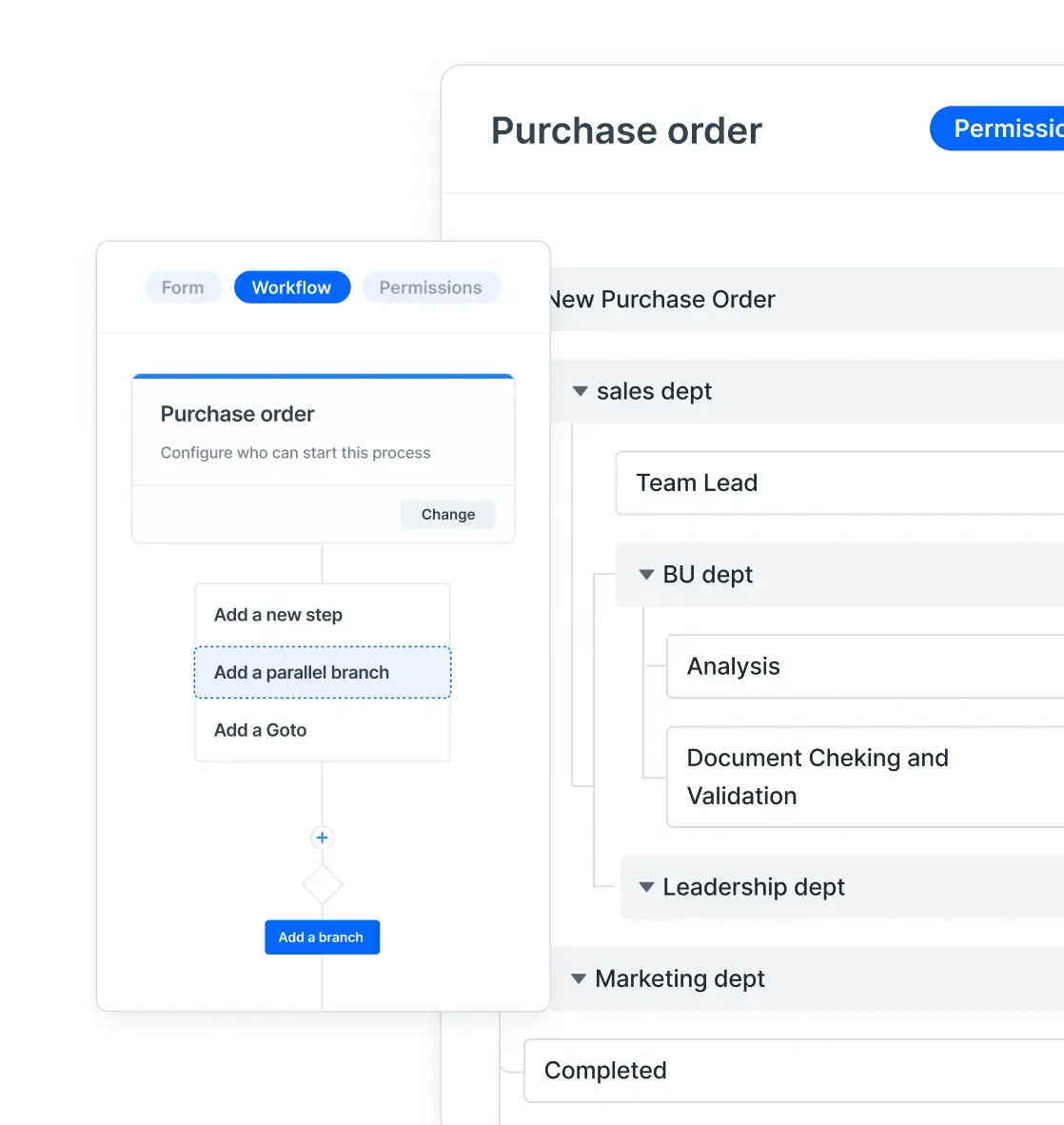
Process Builder-1
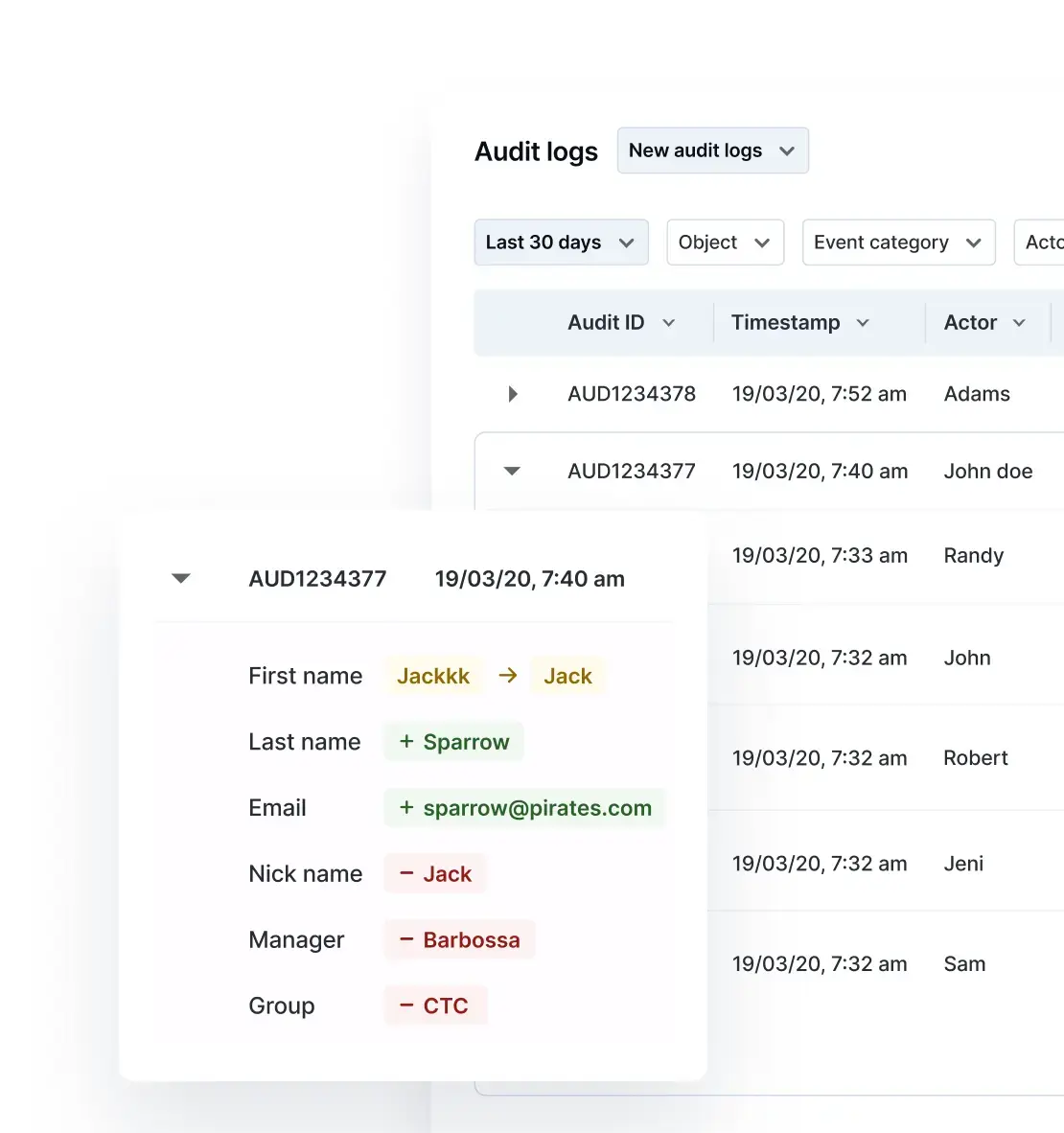
Governance built into execution

Control and audit, without a separate lifecycle

  • Apply role-based access across apps and data
  • Track every action automatically with audit trails across all workflows
  • Monitor performance and usage from inside the platform
  • Pull instant approval history for any process
Audit Logs
Integrations and data

Connect what you keep

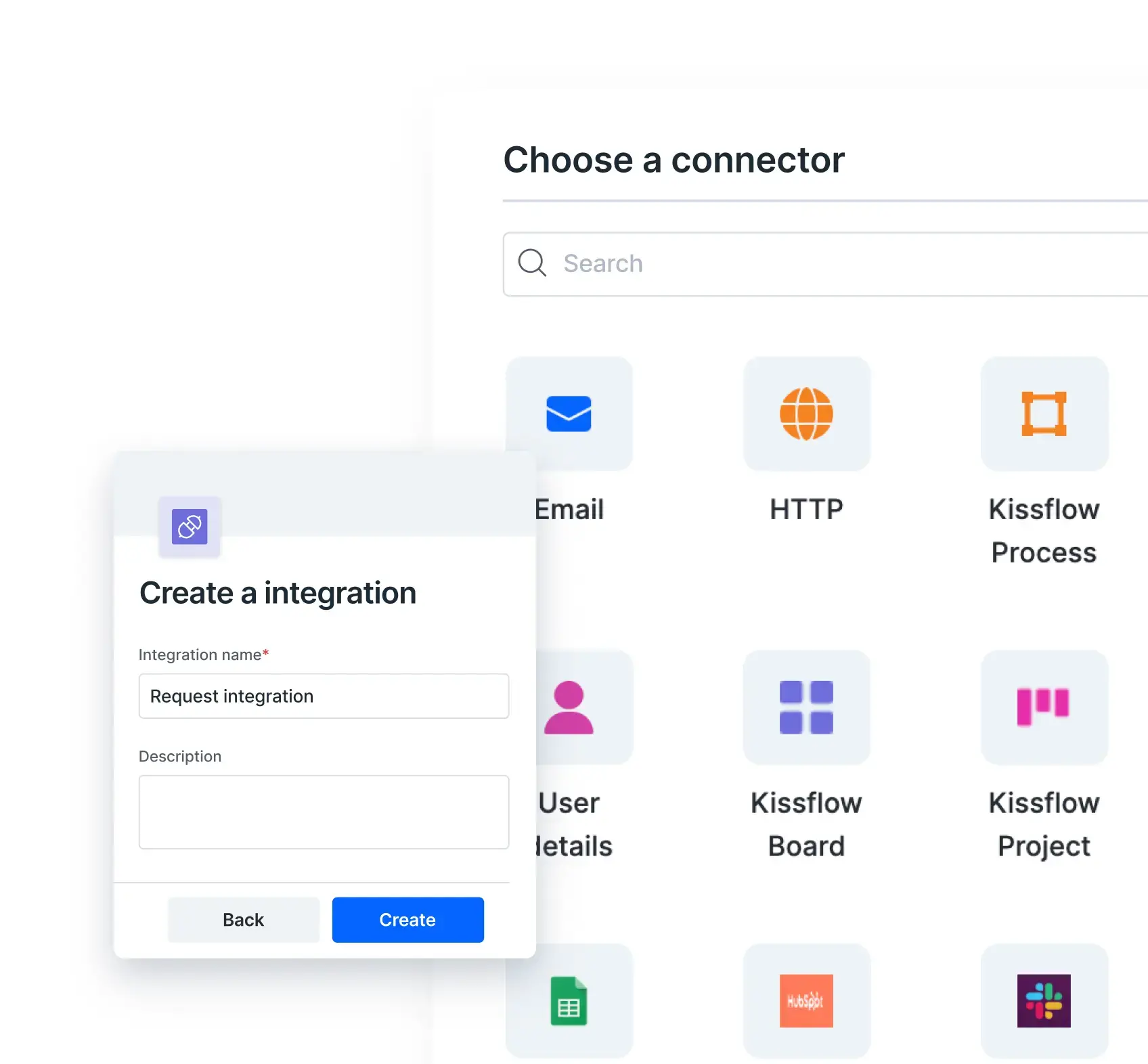
  • Integrate with core systems through pre-built connectors and REST APIs
  • Model data inside the platform, tied directly to workflows
  • Sync data across finance, storage, and operational systems
  • Export to BI tools like Power BI and Tableau for reporting
Custom UI-1
AI-led

Build with AI, refine visually

  • Describe a process in plain language, and AI generates a deterministic blueprint covering data, pages, roles, and workflows
  • Refine every step in the visual builder with no proprietary language to maintain
  • Add parallel branches, conditional steps, and dynamic assignments
  • Set SLAs, trigger notifications, and govern data visibility
AI-led
Workflow and case management

Run work across teams, not inside one app

  • Design step-based workflows with SLAs, escalations, and conditions
  • Manage cases natively with queues, assignment, states, and tracking
  • Configure roles, visibility, and approvals at the process level
  • Change rules and routing without a release cycle
Process Builder-1
Governance built into execution

Control and audit, without a separate lifecycle

  • Apply role-based access across apps and data
  • Track every action automatically with audit trails across all workflows
  • Monitor performance and usage from inside the platform
  • Pull instant approval history for any process
Audit Logs
Integrations and data

Connect what you keep

  • Integrate with core systems through pre-built connectors and REST APIs
  • Model data inside the platform, tied directly to workflows
  • Sync data across finance, storage, and operational systems
  • Export to BI tools like Power BI and Tableau for reporting
Custom UI-1

We help tech leaders reach their transformation goals

Puma testimonial
INDUSTRY Retail
HEADQUATERS Germany

“Advanced automation of all processes is easy to set up. I cannot imagine how to manage workflows without this software.”

Tanay Tiwary

Global Head - Digitalization & Business Improvement

Watch Story


KEY HIGHLIGHTS
450+
Processes automated
70%
Reduction in manual effort
3x
Faster deployment
SN Aboitiz testimonial
INDUSTRY Energy
HEADQUATERS Philippines

“Kissflow supports rapid application development by building a working application prototype in the shortest amount of time”

Maria Theresa Cabigon

CIO

Watch Story

KEY HIGHLIGHTS
451%
ROI achieved
2.8
Months payback period
100+
Workflows deployed
Valantic testimonial
INDUSTRY IT Consulting
HEADQUATERS Germany

“Everyone uses Kissflow. It requires no previous training. The platform is very intuitive and user-friendly.”

Antonio Serpa Pinto

Head of IT

Watch Story
KEY HIGHLIGHTS
10x
Faster app delivery
500+
Users onboarded
0
Training hours needed
Previous
    Next

    Got questions? We're here to help

    No. Kissflow connects to apps you keep through REST APIs and webhooks, so existing OutSystems-built apps can keep running and stay in sync. Move execution-heavy processes to Kissflow where business and IT own the change, and integrate the rest.

    No. Business and IT build in the same platform. There is no proprietary language to maintain, and developers extend workflows through REST APIs and custom UI components where they are needed.

    Yes. Teams update rules and workflows directly, and changes apply without a modify, test, and redeploy cycle. Every change is tracked in the same audit log as manual edits.

    Kissflow uses user-based pricing that stays predictable as you scale. OutSystems licensing is tied to applications and application objects, so cost rises with the number of apps and their complexity.

    No. Kissflow runs on a unified cloud-native runtime with governance built into execution: role-based access, audit trails, and certifications, including SOC 2 Type II and ISO/IEC 27001.

    Kissflow delivers a PWA-based mobile experience. If deep native and offline capability is a hard requirement for your use case, raise it early so the team can scope it with you.

    Run execution across your business with clarity and control

    Talk to our team