Turn Operational Exceptions into Controlled Outcomes
Convert operational anomalies into structured workflows with defined ownership, escalation paths, and SLA timers across every system, department, and site.


Digital Operations Backbone - Save Millions, Optimize O&G operations
Deploy the precise operational solutions you need in weeks, not months or years, while saving 50% on development costs.




Trusted by global oil and gas leaders



Global brands worldwide use Kissflow to manage their exceptions





Your systems detect exceptions. Nothing ensures they get resolved.


The exception management command centre
Close the gap between detection and resolution across every exception type, department, and site.


Structured response, every time
Every exception is assigned an owner, a deadline, and an escalation path from the moment it is detected. No exception falls through the gap.

Cross-functional coordination built in
Operations, finance, compliance, and field teams respond through a single workflow not email chains. The right people get the right exception at the right time.

Audit-ready from day one
Every exception automatically captures detection time, response actions, decisions, and evidence. Compliance documentation is generated, not scrambled.

Scales across exception domains
Start with one exception type. Expand to compliance, finance, safety, vendor performance, and more. One command centre across every operational domain
How the exception management command centre works
Exception intake & workflow creation
Convert any signal into a structured workflow. Define owners, escalation paths, required actions, and SLA timers without code
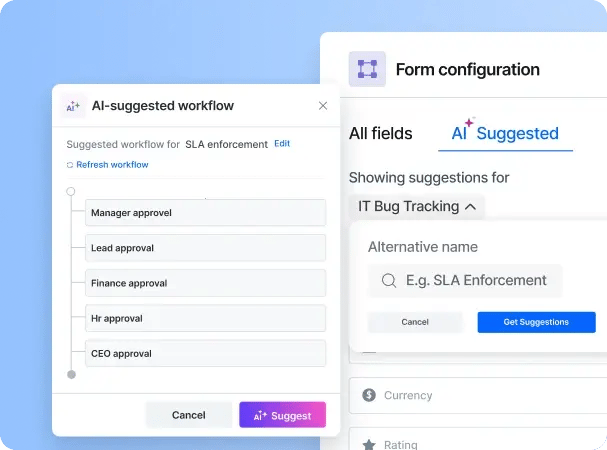
Escalation & ownership engine
The right people get the right exception, automatically. Individual contributors see their tasks, managers see resolution status across all active exceptions.
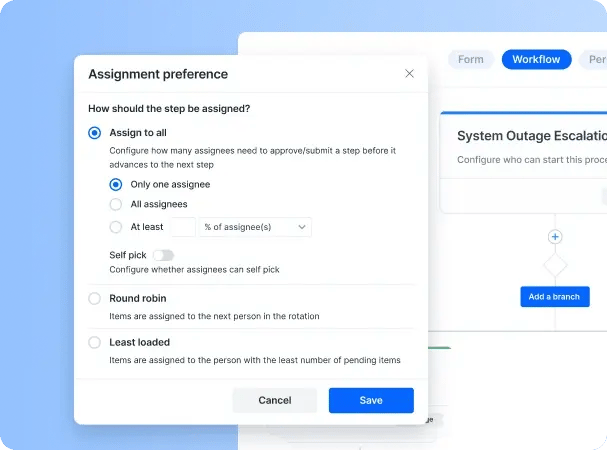
Command centre dashboard
One view of every open exception across the operation. Filter by exception type, department, priority, or SLA status.
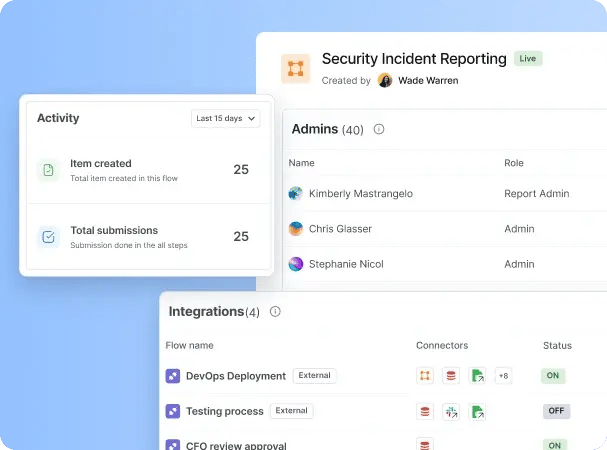
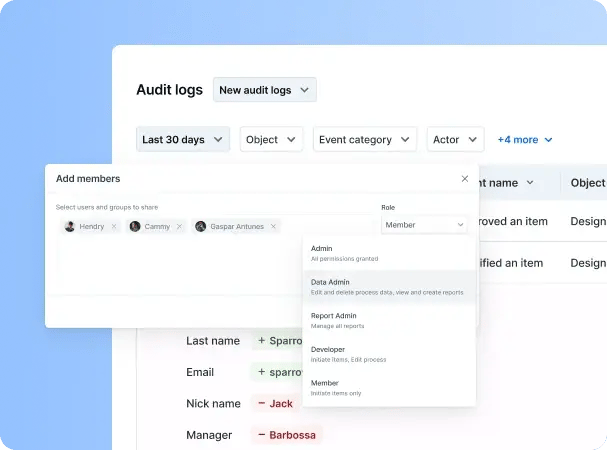
Compliance & audit trail
Audit-ready documentation, automatically generated. Meets SOC 2, ISO, and industry-specific regulatory documentation requirements.
Exception management built for your industry
Every industry generates exceptions the systems, terminology, and compliance requirements differ. These pages go deep on what EMCC looks like in your operation.

Manufacturing
Equipment downtime, quality deviations, supply chain disruptions, and production floor exceptions across plant operations.
EMCC for Manufacturing →

Retail
Store operations exceptions, vendor compliance, inventory deviations, and customer escalations across multi-site retail networks.
EMCC for Retail →

Healthcare
Regulatory compliance exceptions, clinical workflow deviations, vendor and procurement exceptions, and patient care escalations.
EMCC for Healthcare →

Oil & Gas
Production anomalies, HSE compliance, margin deviations, and contractor exceptions across upstream, midstream, and downstream.
EMCC for Oil & Gas →

Exception workflows for every operational domain


Why Kissflow for exception management


Built for human-in-the-loop operations
Kissflow keeps people in the loop with structured approval steps, role-based escalation, and evidence capture designed for complex decisions.

No-code configurability with enterprise governance
Operations teams build and modify their own exception workflows without relying on IT, with added platform-level governance.

Connects to systems you already use
Kissflow sits between your operational or ERP systems, connecting via APIs and pre-built integrations to route exceptions from any source into a managed workflow.

Field-ready: mobile and offline
With full offline capability, field teams respond to exceptions on mobile with photo and evidence capture logged and actioned, even in locations with limited connectivity.
Take the next step
Whether you need to see it running, scope your exception domains, or quantify what's at risk here is where to start.