Employee Availability & Preference Management for Retail Staff
Kissflow keeps a current record of every employee's availability, preferred hours, and shift type, so scheduling and real-time coverage decisions are built on data that reflects this week, not a static form filled out once at the time of hiring months ago.
Trusted by leading retailers worldwide


An availability form filled out at hiring is stale by the second semester of school.
An employee's availability changes constantly: a class schedule shifts at the start of a new semester, a second job starts, a life circumstance changes what hours actually work for them, and a schedule built on outdated availability data creates friction that shows up downstream as no-shows, last-minute swap requests, and a manager who cannot understand why the same person keeps missing the same shift they said they could work. An availability form filled out once at hiring is effectively stale within a few months for most hourly staff.
Kissflow keeps availability current with a self-service update process employees can use anytime their situation changes, paired with a manager approval step so a change is confirmed before it feeds into scheduling decisions, so the record scheduling actually relies on reflects what is true about someone's life today, not what was true the week they were hired months or years earlier.
Where availability data goes stale
Availability is captured once
A form filled out at hiring never gets updated as life changes.
Updates are informal
An employee tells a manager verbally, and it never makes it into a system.
No approval step
A preference change gets applied without anyone confirming it makes sense for the store.
Scheduling relies on stale data
A schedule gets built against availability that is months out of date.
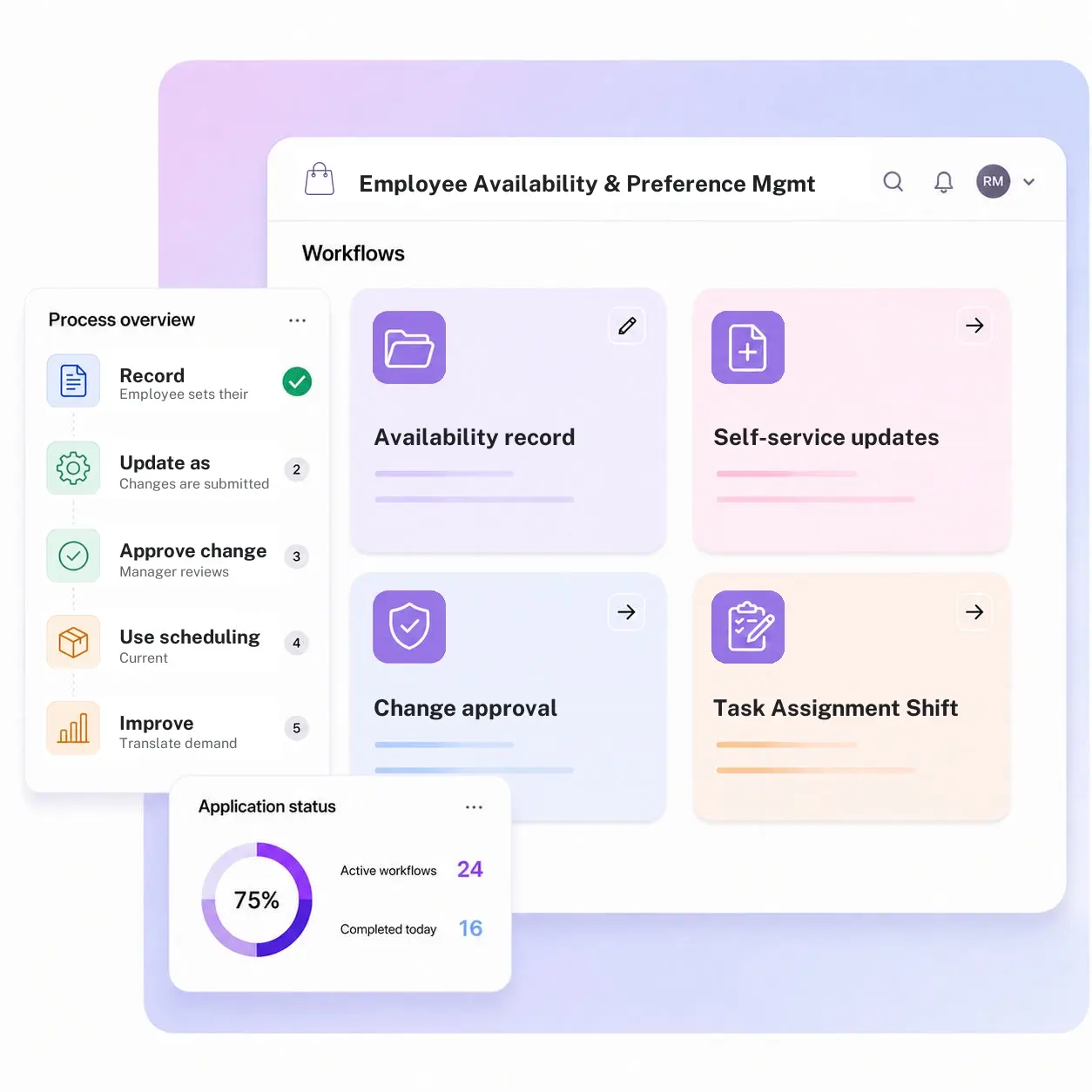
Three modules. Every employee's availability kept current and used in real scheduling decisions.
Configure update rules and approval requirements by store.
Availability record
Employees maintain their current availability and shift preferences in one always-current shared record.
Self-service updates
An employee updates their own availability directly whenever their circumstances actually change at all.
Change approval and reporting
Updates route for manager approval, then roll up automatically for use in scheduling decisions weekly.
From request to system of record in four steps
Capture
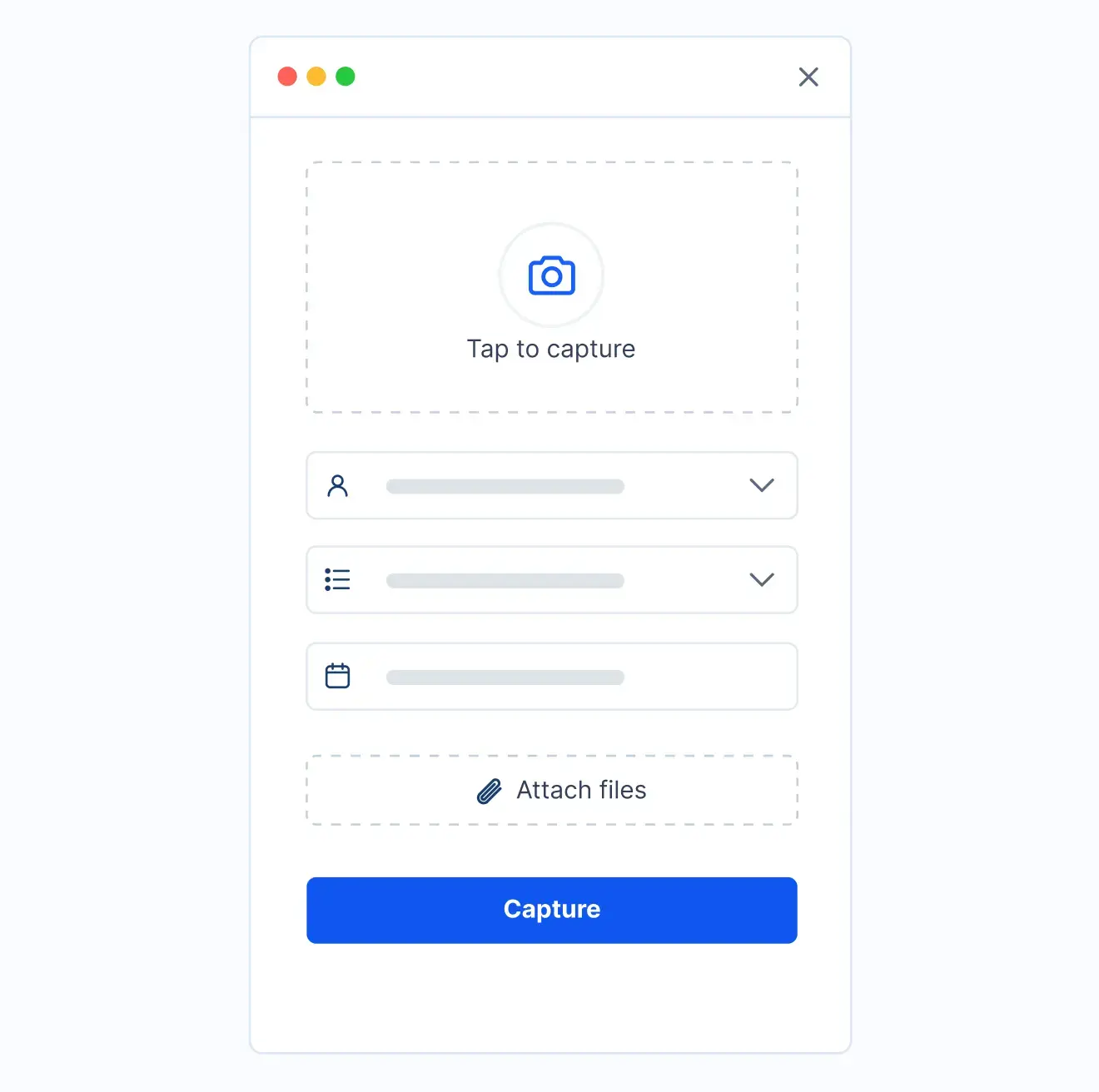
An employee sets their current availability, preferred hours, and shift type in the system.
Validate
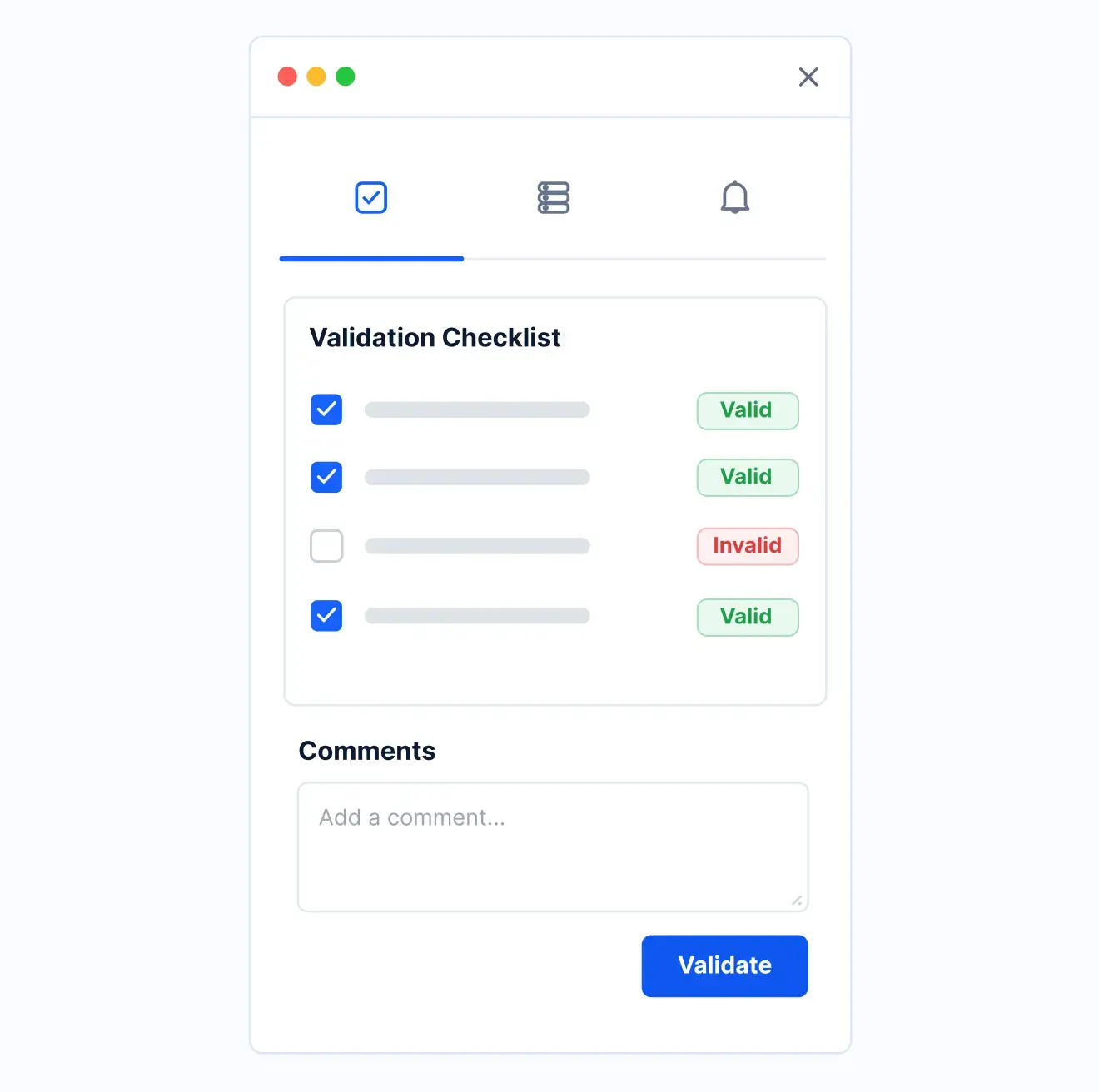
Changes are submitted through self-service and confirmed by a manager with one quick approval.
Track
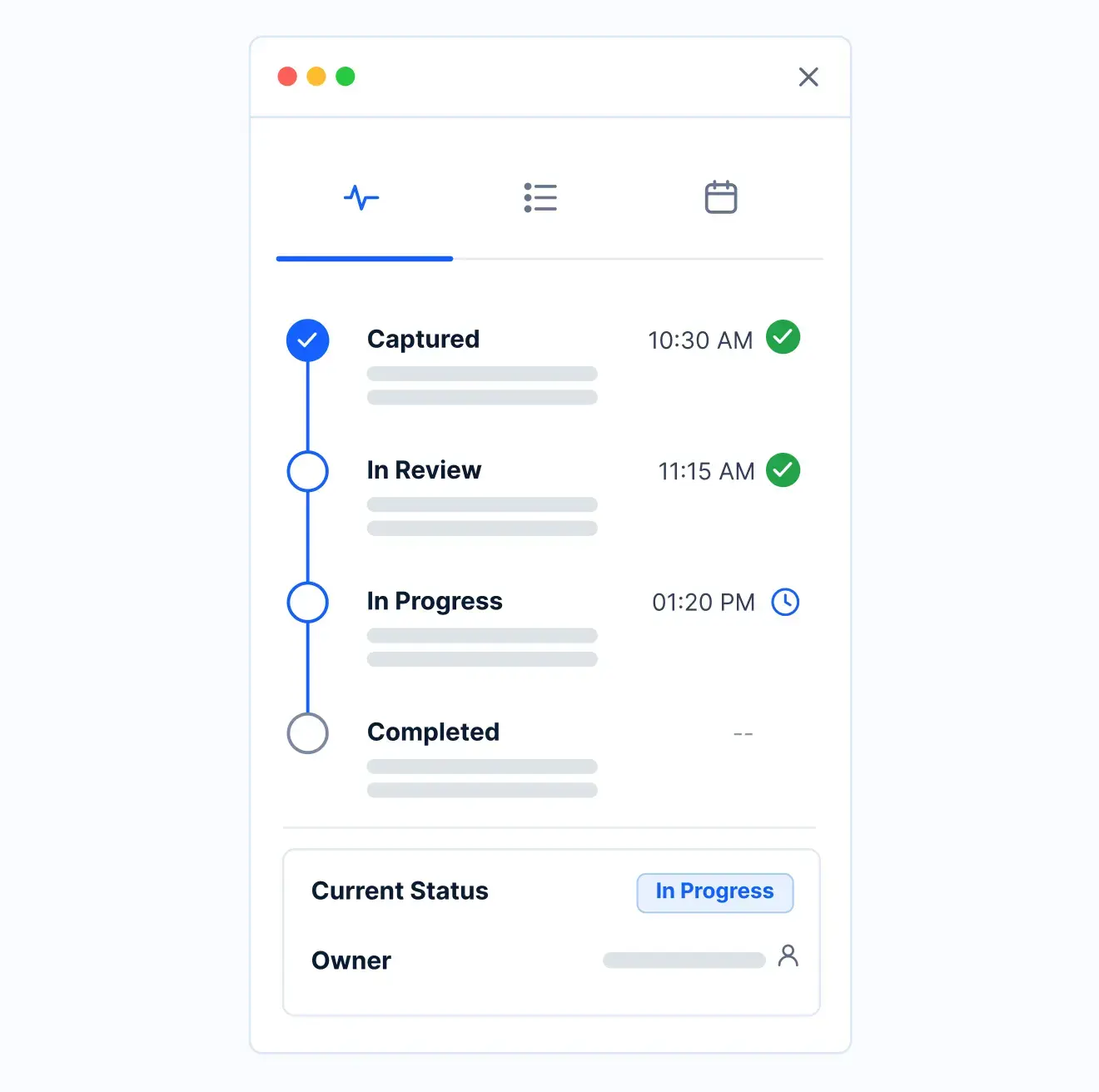
The record stays current as situations change, always reflecting this week rather than a form filled out once at hiring.
Report
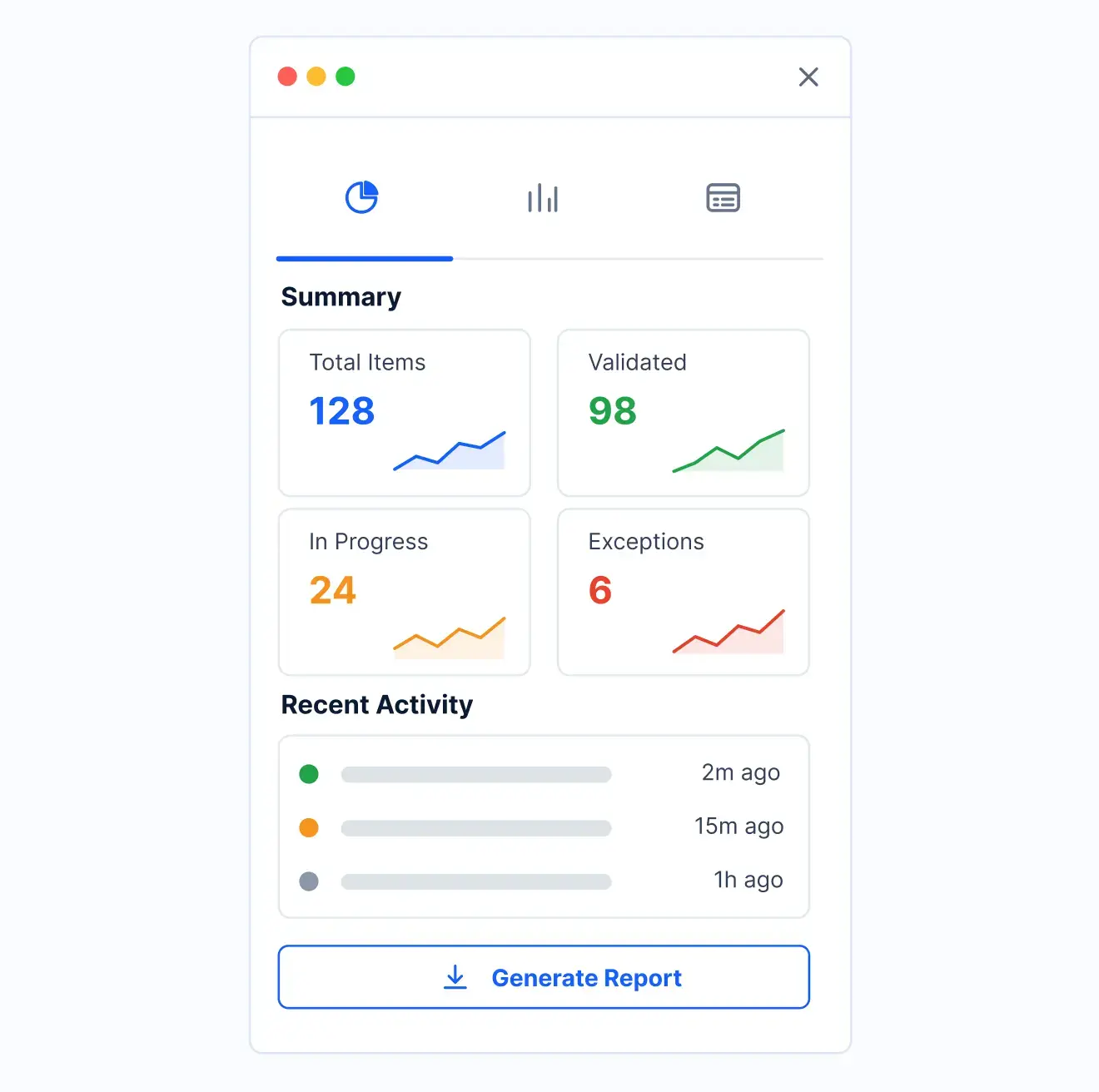
The confirmed availability record is the system of record that feeds directly into every scheduling and real-time coverage decision.
What changes when availability tracking runs on Kissflow
| Process | Before Kissflow | On Kissflow |
|---|---|---|
| Initial capture | A form at hiring | A living record |
| Updates | Verbal, informal | Self-service, submitted by the employee |
| Approval | None | A manager confirms every change |
| Data used for scheduling | Often stale | Always current |
| No-shows from mismatched availability | Common | Reduced |
| Record ownership | Unclear | The employee, with manager oversight |
Connects to your scheduling and workforce management system; Kissflow does not replace your scheduling system of record
Kissflow keeps availability data current and feeds it to your scheduling process. Your workforce management system stays the system of record for the published schedule.
.svg)



.svg)
.svg)
.svg)
.svg)

.svg)
.svg)
.svg)
.svg)
.svg)

.svg)

.svg)

.svg)
.svg)
.svg)
.svg)
.svg)
.svg)
.svg)
.svg)
.svg)

.svg)
Built for how availability actually changes over time
Self-service, always current
An employee updates their own availability as life changes.
Approved before it is used
A manager confirms every change makes sense for the store.
Feeds real scheduling decisions
Not a form filed and forgotten.
Live in weeks
Configure update rules in the visual builder, or describe the use case to the AI Builder.
Governed from day one
Role-based access on every availability record.
One current record per employee
Managers see live availability, not a stale form.
Related apps
Real-Time Shift Adjustments Management System
React to a real-time gap using current availability data.
Workforce Forecasting Integration Management System
Translate demand forecast into labor hours against real availability.
Task Assignment with Shift Management System
Assign in-store tasks once a shift is scheduled against availability.
We help retail managers schedule against availability that is actually current
.gif)

“If a company cannot enable everybody to use AI, they will never get the true benefit of AI. Platforms like Kissflow allow us to put that capability in the hands of our users in a safe way.”
Vagesh Dave
GVP & CIO at McDermott International, Ltd
See The Full Story

“Advanced automation of all processes is easy to set up. I cannot imagine how to manage workflows without this software.”
Tanay Tiwary
Global Head - Digitalization & Business Improvement
See the Full Story

“Kissflow supports rapid application development by building a working application prototype in the shortest amount of time.”
Maria Theresa Cabigon
CIO, SN Aboitiz Power Group
See The Full Story
See what Kissflow can do for you
Talk to usGot questions? We're here to help.
Get SupportNo. Your workforce management system stays the system of record for the published schedule. Kissflow keeps the availability data feeding it current.
Yes, updates happen through self-service, without going through a manager first.
Yes, an availability update routes for manager confirmation before it takes effect.
This app maintains ongoing availability data. Real-Time Shift Adjustments reacts to a specific coverage gap using that data.
Yes, preferences can be scoped to a specific store, role, or shift type.
Yes, a dashboard shows availability across the whole store team.
Configuration and AI-assisted app generation move delivery from a multi-month program to a matter of weeks.
Kissflow is certified to SOC 1, SOC 2, SOC 3, and ISO/IEC 27001, with role-based access on every record.